End-of-Season Furnace Care: What Denver Homeowners Should Do Before Summer
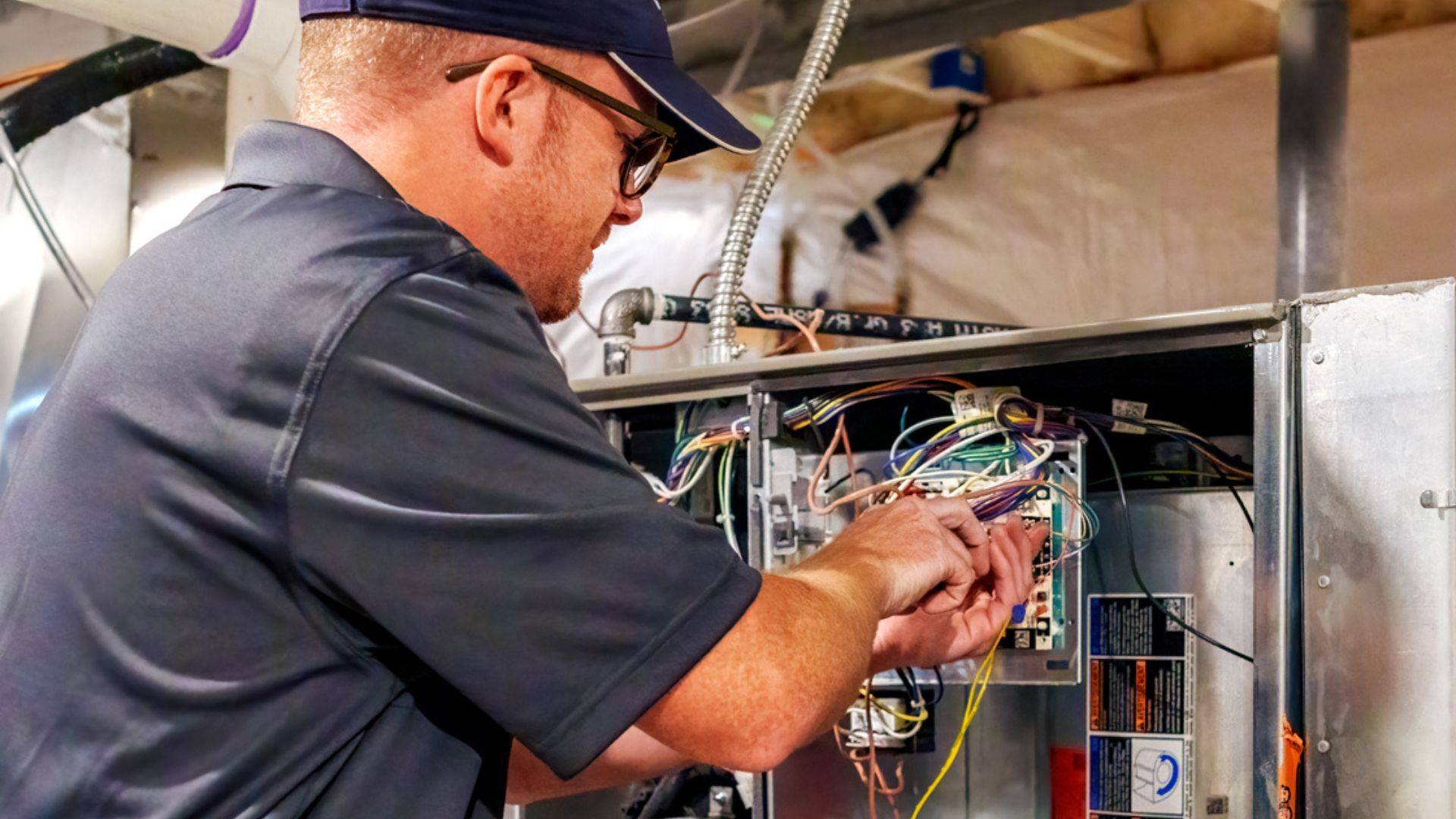
After running a furnace for six or seven months in a row, it’s important to take care of the unit before turning it off for the summertime. Most homeowners think about furnace maintenance after fall arrives. By that point, most heating, ventilation, and air conditioning (HVAC) companies are already booked out.
With the help of Elkhorn Heating, Air Conditioning, Plumbing & Electrical, you can make sure your home is ready for the shifting seasons. Our HVAC technicians have better availability during the spring, so you have time to plan out your repairs and replacement needs.
To get you started, let’s look at the steps involved in end-of-season furnace maintenance in Denver and which tasks need to be handled by a professional.
When Heating Season Ends in the Denver Metro
There’s no fixed date for when to stop running a furnace in Colorado. Most homes will need heat until May. In Morrison, Evergreen, Indian Hills, and other foothills neighborhoods, it’s common to keep the heat on until June.
As a result, many local homeowners end up using heat and air conditioning in the same week. Even though there are hotter days ahead of us, you shouldn’t turn off your furnace prematurely. Instead, let your thermostat handle the heating and cooling transition.
Typically, the best time for end-of-season furnace maintenance in Denver is when our overnight lows are consistently above 45°F to 50°F. For most neighborhoods in the Denver area, this normally occurs between late April and May.
End-of-Season Furnace Maintenance Checklist: 8 Steps
To get started, use this spring furnace maintenance checklist for Colorado homes. When in doubt, you can always reach out to our HVAC technicians for professional diagnostics and support.
- Step 1: Replace the air filter. If your furnace isn’t working right, one of the best troubleshooting tips is to try replacing the filter. Poor airflow can impact the furnace’s performance and increase the likelihood of repairs. Since your furnace has been in use since October, it’s time to give it a fresh filter.
- Step 2: Inspect the area around your furnace. By looking for a few common signs, you can spot potential issues before they escalate. Check around your furnace and ductwork for soot marks, stains, condensation, or any other unusual signs.
- Step 3: Clean accessible surfaces. Next, wipe down all of the surfaces you can easily reach. Dust accumulates over the course of the heating season and can negatively impact air quality.
- Step 4: Vacuum the supply and return vents. Your return vents can collect dust and debris during the heating season. By vacuuming the vents, you can boost airflow and minimize respiratory issues.
- Step 5: Check carbon monoxide (CO) detectors. For the safety of your family, you need to verify that your CO detectors have not expired. You should also replace the batteries at least once per year.
- Step 6: Note any issues from the past winter. If you notice higher-than-normal energy bills, unusual noises, uneven heating performance, short cycling, or other problems, remember to share them when your HVAC technician arrives for your seasonal HVAC tune-up.
- Step 7: Adjust thermostat settings for spring. Now that spring is here, it’s time to adjust your thermostat settings with a moderate schedule. Your goal is to maintain your personal comfort during this transition period without causing excessive short cycling.
- Step 8: Schedule a professional spring tune-up. One of the most important things you can do to prevent furnace repairs is schedule a spring tune-up each year. Through this spring maintenance, you can diagnose and fix problems now instead of waiting for the first chilly night of October.
Warning Signs Your Furnace Sent You This Winter
As we reach the heating season end, maintenance in Colorado is essential for the safety and longevity of your unit. If you notice any of the following symptoms, it’s time to schedule professional repairs.
- Odd Noises: Any grinding, high-pitched whining, or banging is a sign you need to get your unit repaired.
- Short Cycling: If the furnace turns on and off more frequently, you may be dealing with thermostat malfunctions, an oversized system, a dirty filter, or an underlying repair.
- Uneven Performance: When different rooms are hotter and colder than others, there may be a duct problem or a failing blower motor at fault. An aging system can also gradually lose capacity.
- Yellow or Flickering Pilot Flame: If you have a yellow or flickering flame, it means there is incomplete combustion in an older unit. This is a major safety and efficiency concern, so it needs to be remedied right away.
- Unusually High Energy Bills: A sudden increase in energy bills without a clear explanation is a sign that some of the furnace’s components may be starting to wear down.
If you notice any of the previous diagnostic clues, you don’t have to panic. You have plenty of time to fix the problem and schedule furnace care before summer in Denver.
The Repair-vs.-Replace Spring Assessment
Deciding between a furnace repair and a replacement can be challenging. At Elkhorn, we won’t try to sell you on a product you don’t need. Our comfort specialists offer honest evaluations, so you can make the right choice for your home.
The off-season is the best time to decide on repairs and replacement. You aren’t under pressure, so you can easily get quotes and compare financing options. To help you choose the best decision for your family, consider the following factors.
- Age: A standard furnace lasts around 15 to 20 years. If your furnace is already in this range and requires repairs, it’s likely time to plan on a replacement.
- The 50% Rule: Look at the cost of repairs vs. the replacement price. If the repair cost is 50% of the price of a new system, it’s generally better to get a replacement instead.
- Efficiency Upgrades: The Annual Fuel Utilization Efficiency (AFUE) represents how efficient the furnace is at transforming energy into heat. A higher AFUE is better. Older furnaces often have an 80% AFUE rating. By switching to a modern, 95%+ AFUE model, you can significantly reduce your energy costs.
No matter what option you choose, Elkhorn’s 100% no-interest financing can make affording your new installation easier.
Foothills and Mountain Property Considerations
When it comes to scheduling a furnace inspection during spring in Denver and Littleton, it’s important to consider the local environment. Based on where you live, your furnace, boiler, or heat pump will require different types of care.
Homes in Morrison, Evergreen, and Indian Hills have higher elevation and more extreme temperatures, which pose unique challenges. Often, these areas have older homes with unusual heating configurations. For example, many of them rely on radiant heat, boilers, or propane. These configurations require specialized attention.
Absentee owners also need to be proactive about their pipes. You shouldn’t fully shut down your HVAC system unless you have taken precautions against frozen pipes.
Elkhorn understands what our local neighborhoods and climate need. Thanks to our higher altitude, there is less oxygen per cubic foot. Because this impacts combustion, furnaces have to be specially calibrated. Our comfort specialists understand these foothill communities, so we can safely optimize your high-altitude HVAC setup.
How Spring Furnace Care Connects to Fall Readiness
Whether you want to care for your furnace or plan for a heat pump installation, a spring tune-up is a chance to touch base with our comfort specialists, order parts, and optimize your HVAC installation. The spring tune-up helps us create a baseline for your system, so we can easily spot concerning changes in the fall. Plus, planning installations and repairs now allows us to avoid any lead-time delays that commonly occur in the fall and winter.
In most cases, a furnace that has been professionally inspected during the spring only needs a filter change and thermostat adjustment before the heating season begins in fall. Our team makes this inspection easy through our Whole Home Comfort Plan. This plan features spring and fall tune-ups, so your family can enjoy better peace of mind.
FAQs
When should I stop running my furnace in Colorado?
There is no set date for when you should start your HVAC spring transition in the Denver metro area. Many Denver homes are still using heat in May. Instead of just shutting off the system automatically, let your thermostat be in charge of when your system should be in heat mode.
Can I run my furnace and AC on the same day?
Absolutely. Today’s thermostats have an auto mode that allows them to heat and cool as needed. If your thermostat is not equipped with this feature, it’s time to consider getting a new thermostat installation.
Is it worth getting a furnace tune-up in spring?
We strongly recommend getting a furnace tune-up during the spring. You aren’t dependent on using the furnace at this time, so it’s a good opportunity to clean the furnace and schedule necessary repairs. Because our technicians are more available in the spring, you’ll have an easier time scheduling your appointment. Additionally, a spring furnace tune-up means you can catch potential problems before next winter arrives.
Keep Your Furnace in Optimal Condition
Through end-of-season maintenance in Denver, you can gain peace of mind and make sure your furnace is ready when fall arrives. Our Whole Home Comfort Plan makes furnace maintenance easier through priority scheduling and complimentary tune-ups.
Schedule your furnace tune-up while our spring calendar is still open. Call us today.
Service Request
Contact
"*" indicates required fields