Cracked Furnace Heat Exchanger? Warning Signs, Professional Diagnosis, and Next Steps
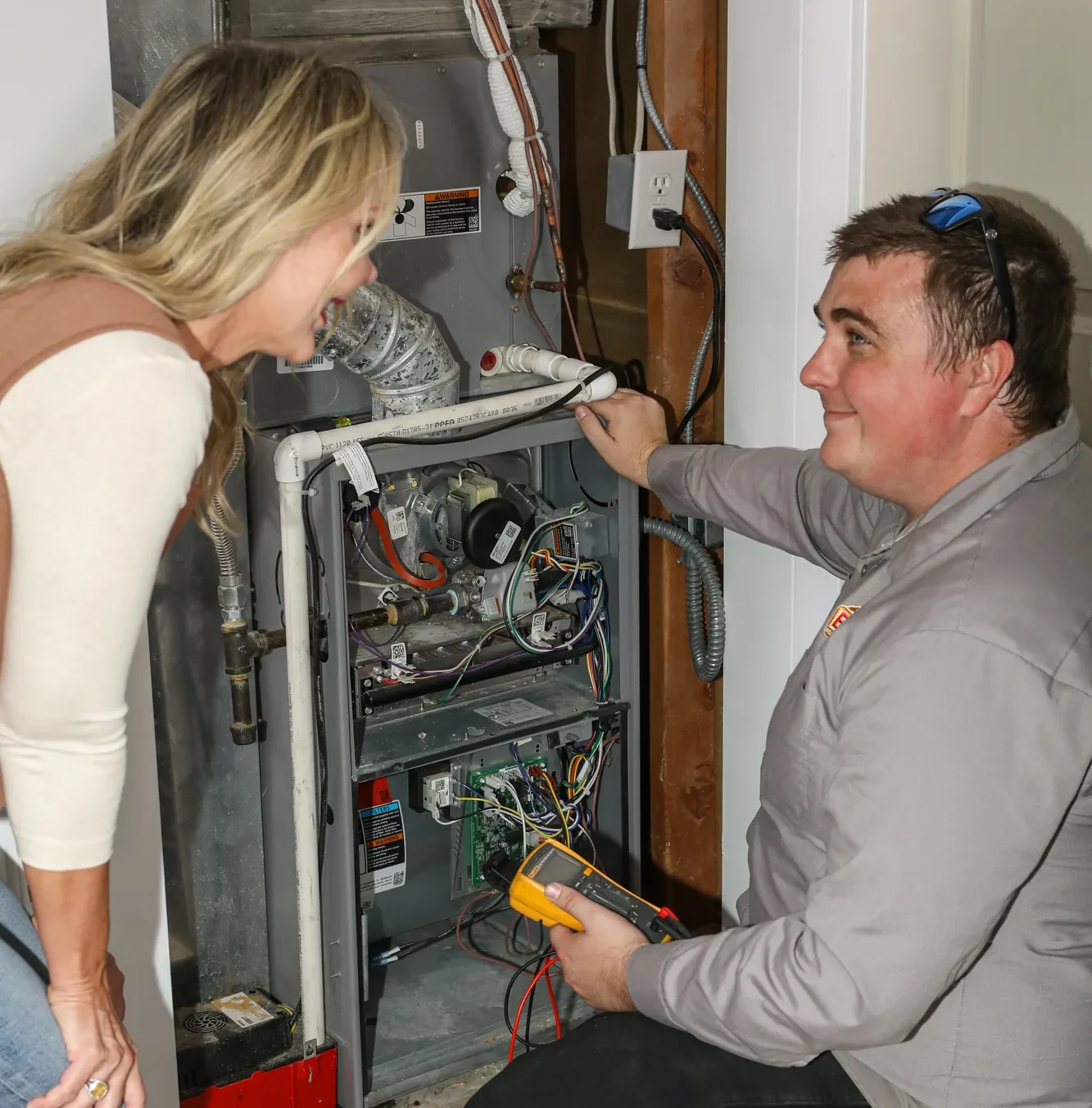
A cracked furnace heat exchanger is more than just a repair issue. Because of the carbon monoxide (CO) risk, it is also a safety concern. However, there is a difference between a suspected cracked heat exchanger and a confirmed cracked heat exchanger. By reaching out to Elkhorn Heating, Air Conditioning, Plumbing & Electrical, you can get your heating system diagnosed and find out the best repair solution.
Quick Answer (And Urgent Exceptions)
The most important thing is to get your unit professionally evaluated. A furnace heat exchanger inspection can establish the correct diagnosis, so you don’t use unsafe equipment. Many problems can cause similar symptoms, so you can’t determine the source of the issue by a single symptom or test.
If you hear a CO alarm, stop and evacuate your home before you do anything else. A CO alarm or suspected CO exposure is a major safety hazard, so you should make sure all of your family members seek fresh air. Then, call 911. Once everyone is safe and emergency personnel are addressing the problem, you can call for repairs.
What the Heat Exchanger Does and Why a Crack Matters
A heat exchanger is an essential part of your heating, ventilation, and air conditioning (HVAC) because it allows combustion gases to warm your home’s air supply without coming into actual contact with it. The heat exchanger absorbs heat from the combustion gases, so air that flows on the outside of the heat exchanger can pick up the heat before it circulates into your home.
In a high-efficiency furnace, there are actually two heat exchangers. This allows additional heat to be absorbed, with some high-efficiency furnaces having an annual fuel utilization efficiency (AFUE) of 97% or higher. Once the extra heat is removed, some of the combustion byproducts cool into a liquid that must be drained away through a condensate drain line.
The heat exchanger’s main purpose is to warm the air without allowing combustion gases to get into your home. If you have a cracked heat exchanger, these gases may escape. Your CO alarm going off is one indication that your heat exchanger may be damaged, but CO can be generated by other appliances as well.
It’s important to note that CO is odorless. The lack of an odor or absence of an alarm does not mean that your heat exchanger is functioning correctly. If you or your family experience headaches, nausea, or dizziness, leave your home and go somewhere with fresh air.
While you may suspect that damage exists, a professional inspection is needed to confirm the defect. With a complete professional safety assessment, you can determine if your unit is safe to run and which problems need to be addressed right away.
Warning Signs and Causes That Warrant Evaluation
Over time, normal wear and tear can cause your heat exchanger to become damaged. Thermal stress, overheating from airflow-related issues, corrosion, and setup problems can also lead to a cracked heat exchanger.
Common Warning Signs
There are a few common heat exchanger failure signs you can watch out for. These symptoms can happen with other problems, which is why a professional diagnosis is so important.
- Yellow or Flickering Burner Flame: If you have a cracked furnace heat exchanger, air can escape from the heat exchanger and cause the flame to flicker, roll, dance, or change color.
- Sulfuric or Metallic Odors: A metallic or sulfur-like odor can occur if the heat exchanger is cracked. If there is a gas or sulfur smell, you should immediately evacuate your home and call 911.
- Soot Buildup: Your heat exchanger may have a crack if soot builds up around the chamber, flue pipe, or burners.
- Visible Damage: A visible crack means the heat exchanger is already damaged. Stop using your furnace and call for repairs.
- Water Pooling: Water pooling around a high-efficiency furnace may indicate a blocked condensate drain, a leaking connection, or damage to the secondary heat exchanger. A professional inspection is necessary to identify the source.
Diagnosing these issues should be left to the professionals. For your safety, you should never look into burners, remove panels, measure combustion, or touch a hot exchanger yourself. You should also leave smoke and dye tests to the experts.
Should I Be Worried?
While unusual operation, soot, corrosion, and visible damage can occur when a heat exchanger is damaged, these symptoms can come from other causes as well. There is no single symptom that confirms or excludes a cracked heat exchanger.
Although these signs may not guarantee that the heat exchanger has failed, they are signs that more investigation work needs to be done. By reaching out to a professional HVAC technician, you can get these symptoms inspected and repaired right away.
What Homeowners Can Safely Do and Document
If you are dealing with a cracked heat exchanger in Denver, there are a few things you can do to troubleshoot. You should document any concerning symptoms because this can help the HVAC technician with the diagnostic process later on.
Leave the Equipment Off
Sometimes, the technician will tell you on the phone that the equipment is unsafe or needs to be left off. You should also always turn off the unit if you notice loud banging noises, flickering flames, and burning odors.
Once your unit is off, do not restart it. If you decide to get a second opinion, you should leave the unit off until the technician arrives and tells you otherwise.
Collect Information
Without opening up panels, getting inside the equipment, or turning it on, you can collect information for when the technician arrives. Pay attention to the symptoms that occurred, whether the heater was running when the symptoms happened, and how long the symptoms lasted.
If you can safely access them, you should write down the furnace’s model and serial number. Note the service history and gather your warranty paperwork. If you have written findings from previous work or a different estimate, make sure it is available for your diagnostic visit.
Ask Questions
Once a technician inspects your unit, be proactive about learning about the issue. Ask them what they found and how they confirmed their findings. You should also ask which component is affected and what the repair options are.
Professional Confirmation and Questions About the Findings
How is a cracked heat exchanger diagnosed? Once a technician comes to your home, there are a few things they can do to determine the source of the problem.
With heat exchangers, there is no single test that confirms or rules out a cracked heat exchanger. Our team typically starts by ruling out lookalike issues. For example, we will check for restricted airflow, a blocked flue, and dirty burners.
As part of our combustion checks, we will check the ambient carbon monoxide (CO). If it is safe to do so, we can fire up the furnace to allow for thermal expansion. Then, we can use a combustion analyzer in the flue.
When the indoor blower fan is running, the technician can monitor CO and oxygen levels in the flue gases for changes that may indicate a problem with the heat exchanger. Meanwhile, a digital manometer can check the pressure inside the draft system and heat exchanger. Through visual checks, mirrors, and cameras, they can inspect for cracks.
While there is no single test that confirms a cracked heat exchanger, HVAC technicians have many tools available to determine what is wrong with the unit. Once they have diagnosed the issue, request documentation of their findings and the observed defect. They should also give you an operating recommendation for how to use the furnace while you wait for repairs.
If there are images available, the HVAC technician can use them to show what they are talking about. You can always ask for a second qualified opinion if the diagnosis seems unclear. However, the furnace should not be operated while you wait for a second opinion.
Choose the Next Step After Confirmed Damage
Once the technician has diagnosed the underlying issue, the next step is deciding between a heat exchanger replacement vs. a furnace replacement. A good HVAC technician will walk you through each available option with no pressure.
In general, there are a few key factors that determine whether a heat exchanger or the entire furnace should be replaced.
- Repair Cost: As the cost of repairs goes up, the cost of a furnace replacement starts to make more sense. While a heat exchanger replacement tends to cost less upfront, the availability of financing options can make a furnace replacement easier to budget for.
- Labor Costs: When you look at the estimate, note the cost of labor. Replacing a heat exchanger can be labor-intensive because it often requires substantial furnace disassembly. Depending on the equipment, replacing the heat exchanger may require as much labor as installing a new furnace. Labor costs can vary significantly, so note the labor cost in each estimate.
- Part Availability: Some parts can be hard to get, making the decision-making process easier.
- System Condition: If your furnace’s performance and energy efficiency have declined in recent years, it may be time for a replacement. Additionally, units that have extensive repair histories will need to be replaced sooner rather than later.
- Warranty Coverage: Some furnace warranties cover only a part of the cost. For example, the warranty may not cover labor. If the repair is not covered under the warranty, it may be time to consider a new furnace.
- Discounts: Depending on the time of year, manufacturer specials, and local rebate availability, there may be other ways you can reduce the upfront cost. For example, our Whole Home Comfort Plan offers members a 15% discount on repairs.
No matter which option you decide to go with, you should always request a written scope. The scope should clearly cover the labor costs, warranties, disposal, part costs, and permits.
Frequently Asked Questions
Can I tell whether the heat exchanger is cracked myself?
No, you cannot. There are no DIY kits or tests that can tell you if the heat exchanger is cracked. Because of the safety risks involved, it’s important to only have your system inspected and repaired by a qualified professional. Never attempt disassembly or combustion testing on your own.
Does a CO alarm prove the furnace heat exchanger is cracked?
No, it does not. Multiple issues and appliances can cause a CO alarm to go off. When this happens, you should immediately evacuate your home and get everyone to fresh air. Then, call emergency services. Once these steps are done, you can reach out to an experienced HVAC technician to have the source of the problem diagnosed and repaired.
Can the heat exchanger be replaced without replacing the furnace?
Yes, it can. It all depends on the system, the condition of your furnace, and part availability. Our team will evaluate your HVAC system and give you a written estimate before starting any work.
The repair-vs.-replacement decision depends on the age of the furnace, part availability, repair costs, the repair history, the unit’s energy efficiency, and any existing warranty. A relatively new unit that has experienced minimal repairs is often a good candidate for a new heat exchanger. If the furnace is already relatively old, requires frequent repairs, and has experienced a decline in performance, it may be best to install a furnace replacement instead.
Can I run the furnace while getting a second opinion?
No. If an HVAC technician has said that the furnace is unsafe, do not run it. You can get a second opinion and a qualified assessment, but the furnace should remain off. While you wait for an assessment, you should make arrangements for a safe, alternative heating source.
Next Step With Elkhorn Heating, Air Conditioning, Plumbing & Electrical
Unsure if your furnace has a cracked heat exchanger? Don’t put your family at risk. Our Comfort Specialists are available for furnace inspections throughout the Denver and Littleton areas. We offer same-day service, upfront pricing, and a money-back guarantee, so you can enjoy having quality services and better peace of mind.
We will carefully evaluate your furnace, diagnose the cause, and provide you with a written estimate.
Call 720-526-3577 for furnace repairs today.
Service Request
Contact
"*" indicates required fields