Dual-Fuel Heating in Denver: How a Heat Pump and Furnace Work Together
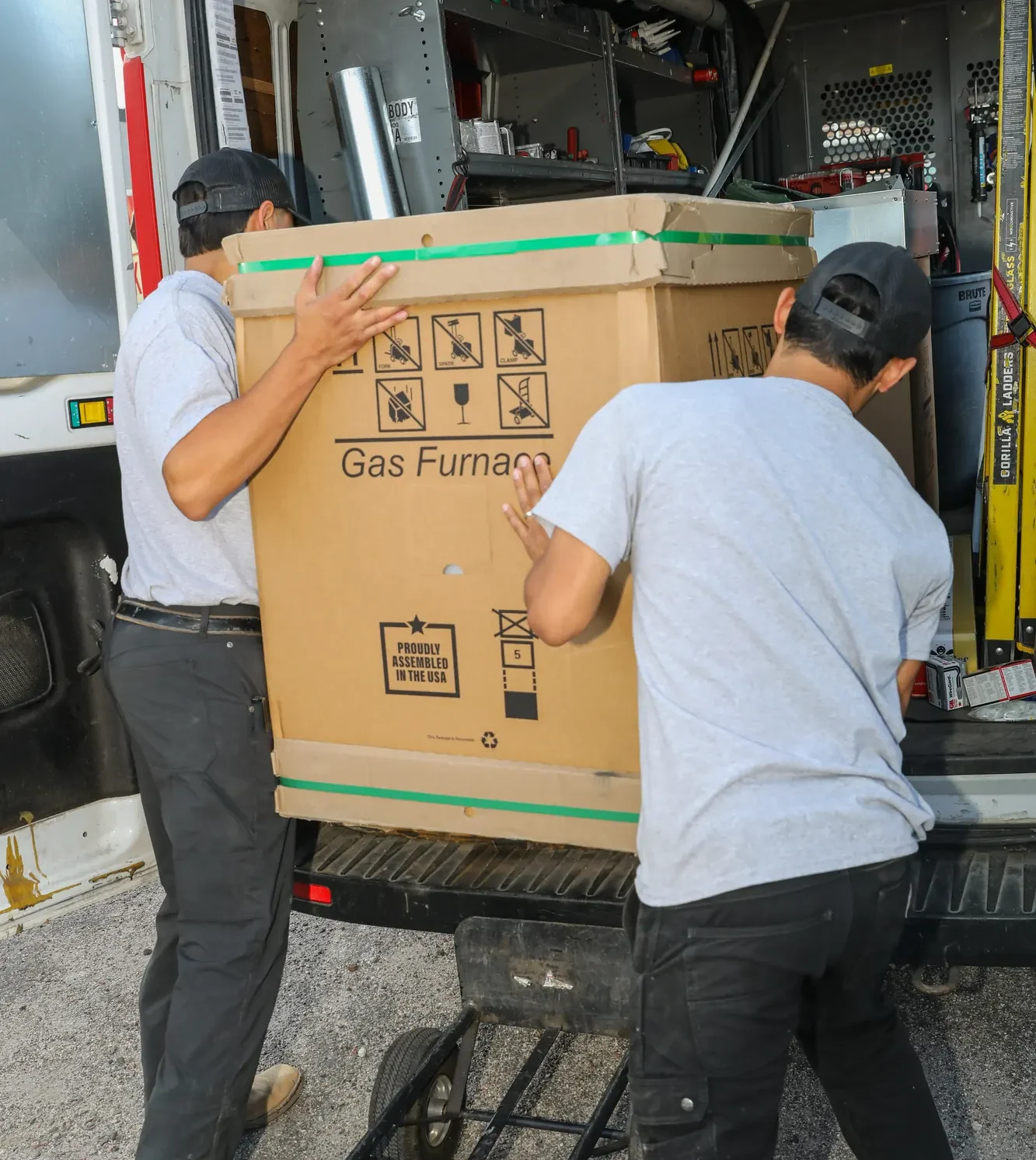
As fall gets underway in Littleton, it helps to plan ahead for sustained heating demand in the winter. Dual-fuel heating in Denver offers a strong balance of efficiency and performance during our cold winters, although it might not be the right choice for everyone. At Elkhorn Heating, Air Conditioning, Plumbing & Electrical, we can help you determine if your home can work with a heat pump and furnace combo.
What a Dual-Fuel Heating System Includes
With dual-fuel heating in Denver, an electric heat pump and fuel-burning furnace are set up to work together. The fuel-burning furnace, which often uses gas, is designed to take over at colder temperatures when the system determines it is more appropriate or cost-effective than the heat pump. Meanwhile, the heat pump offers a comfortable year-round heating and cooling option for less extreme weather conditions.
Heat pumps rely on refrigerant to transfer heat from one area to another. Known for their energy efficiency, these units are able to transfer heat outdoors in the summer and indoors in the winter. In comparison, furnaces are known for delivering a powerful source of heat on the coldest days of the year. Together, these heating, ventilation, and air conditioning (HVAC) systems can offer a mixture of comfort and energy efficiency.
A dual-fuel system includes a few key components.
- Electric Heat Pump: A heat pump is designed to transfer heat with the help of refrigerant lines, a compressor, an outdoor condenser coil, and an indoor evaporator coil.
- Fuel-Burning Furnace: Propane and natural gas furnaces create heat through a process known as combustion. The burner combusts the fuel, while the heat exchanger transfers the resulting heat to the air moving through the system. Dual-fuel systems are designed to switch to the furnace when it becomes more cost-effective.
- Indoor Coil and Blower: The indoor coil transfers heat between the refrigerant and indoor air, while the blower moves conditioned air through your home’s ductwork and vents.
- Compatible Controls: With a dual-fuel system, the unit must be set up with compatible controls that determine when it switches from using the heat pump to using the furnace. While there might be two systems present, the heat pump and furnace are not designed to heat your home at the same time.
Some heat-pump systems include auxiliary electric resistance heat strips in the indoor unit that can operate during defrost mode or when additional heat is required. These resistance strips are not the same as a fuel-burning furnace setup. Resistance strips are not meant to run all the time, and they can quickly increase your energy bill.
How the System Decides When To Switch
Once your furnace and heat pump are set up, one of our Comfort Specialists will configure your controls and set up the automatic changeover temperature. With most dual-fuel systems, the changeover temperature is the outdoor temperature at which your system automatically switches from your heat pump to your furnace.
There isn’t a single correct changeover temperature for every situation. Instead, it is important to consider the cost of both fuel sources, the equipment limits, installer configuration, and your family’s comfort needs.
While some controls can automatically track current utility prices and adjust accordingly, others use a fixed outdoor threshold. For example, your system may be set up so that your heat pump runs during a mild day in Littleton. Then, the system can switch over at night as the temperature drops.
Once we’ve installed your dual-fuel system, we can set up a changeover point. Later on, you can adjust this point until it matches your family’s comfort and energy preferences.
Is It a Fit for Your Denver or Littleton Home?
While there are many advantages to dual-fuel heating in Littleton and Denver, there are also drawbacks to consider. Before installing any system, an experienced HVAC technician will need to review your home’s insulation, heat loss, duct capacity, duct leaks, and electrical supply. They will need to evaluate your existing furnace to see if it can be kept. In addition, your home must have enough space available for the new installation.
An existing furnace may be kept if it is in good condition, appropriately sized, and compatible with the necessary coil, blower, and controls. Alternatively, homeowners could set up a cold-climate all-electric system instead of installing a dual-fuel system. There are multiple heating options you can use, so talk to an HVAC technician about all of your options before making a decision.
As a homeowner, it is also essential to remember that all modern HVAC options are going to require electricity. Even natural gas and propane furnaces use electricity to operate the blower and controls. While installing a dual-fuel system offers a number of benefits, it cannot work as an automatic heating backup during a power outage.
Installation Costs and Operating Tradeoffs
Before deciding on any system, you will also need to consider the installation costs and operating tradeoffs for each choice. The cost of a dual-fuel system can vary widely based on whether compatible equipment can be reused and if other duct, electrical, or control work is needed.
Besides the upfront purchase costs, it’s also worth considering the operating costs, financing costs, and incentives. Specific systems may qualify for incentives from the state, municipalities, or utility providers, but the availability of these programs can vary greatly.
As part of the operating cost comparison, you should look at the current rates charged by your electricity and fuel providers. Then, consider your home’s typical use, furnace efficiency, and heat loss. By comparing all of these factors, you can determine if getting a new system makes financial sense.
Questions To Ask Before Installation
Before you install a heat pump with a gas furnace for backup, there are a few important questions you should ask.
- Was a heating and cooling load calculation performed?
- What heating capacity will the heat pump provide at our local winter design temperature?
- Can I keep my existing furnace and ducts?
- How do I set the changeover temperature? What controls are necessary?
- Will I need electrical or venting work for the upgraded system?
- What type of commissioning tests will you perform to confirm that everything is set up properly?
- Can I have an itemized scope of work that includes all of the warranty terms?
- What incentives am I eligible for?
- How do I maintain my system? How often should I schedule tune-ups?
- What would an alternative setup, such as just a heat pump, cost?
Frequently Asked Questions
Can I keep my existing furnace when adding a heat pump?
It depends on the furnace’s condition, sizing, compatibility, and controls. Our Comfort Specialists will perform a full assessment to determine if your existing furnace can be reused. Newer, well-maintained furnaces that are compatible with the new equipment are more likely to be retained than old, poorly sized, or incompatible furnaces.
At what temperature does dual fuel switch to the furnace?
There is no universal setting where this occurs. It depends on your home heat demand, equipment performance, energy costs, and controls. You can generally adjust your thermostat to change the point where this occurs. We generally recommend monitoring your new setup for at least a few weeks so that you can assess its comfort and performance. If adjustments are needed, your thermostat settings or system controls can then be fine-tuned incrementally until you find the right balance of comfort and efficiency.
Does dual-fuel heating work during a power outage?
Unfortunately, no. Modern furnaces and heat pumps rely on electricity. Even if you have a propane or natural gas furnace, it will still need electricity to run.
Will dual fuel always lower my heating bill?
Not always. It all depends on utility rates, home heat loss, overall performance, and how you use the system. Because utility costs can vary, you should have a home-specific energy comparison before installing a hybrid heating system.
Plan Your Heating System With Elkhorn Heating, Air Conditioning, Plumbing & Electrical
Interested in learning more about dual-fuel heating in Denver? Our Comfort Specialists can provide a full system assessment to figure out if a dual-fuel heat pump is right for your needs. From upfront pricing to clear service recommendations, our team will carefully walk you through what to expect so that you can make an informed decision.
Book your heat pump assessment today.
Service Request
Contact
"*" indicates required fields