AC Pump Not Working? Causes and Fixes
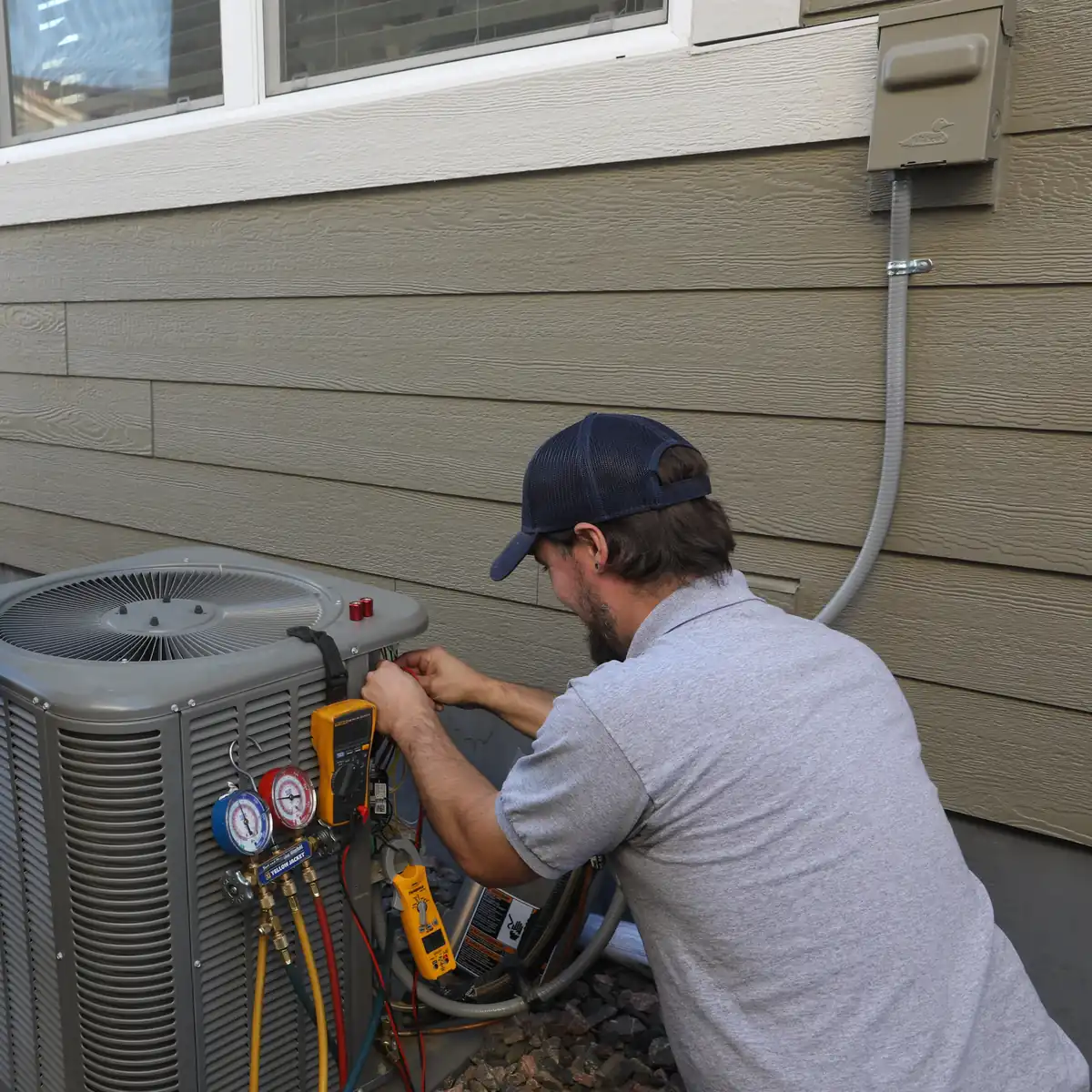
When an AC pump is not working, your entire AC system can turn off. Because this problem can be due to different sources, you have to find the root cause before you can fix it. With the help of Elkhorn Heating, Air Conditioning, Plumbing & Electrical, Denver and Littleton homeowners can get same-day services for unexpected AC issues.
Quick Answer: Why an AC Pump Stops Working
When most homeowners refer to the AC pump, they are talking about the condensate pump. This device is responsible for transferring water from the indoor AC coil or drain pan to a safe location.
If the pump stops working, it is often because of a lack of power, a clogged drain line, algae or debris, loose tubing, a faulty pump motor, a stuck float switch, or an overflowing drain pan. While there are a few troubleshooting tips you can do on your own, you should seek professional repairs anytime tripped breakers, standing water, or repeated shutdowns are involved.
What the AC Condensate Pump Does
The AC condensate pump plays an important role in your heating, ventilation, and air conditioning (HVAC) system. As a part of your AC or heat pump’s normal processes, excess humidity is removed from warm air as it passes over the indoor coil.
After this humidity condenses around the coil, the moisture drips onto a drain pan beneath the coil. From there, the water normally flows out of the home through the drain line with the help of gravity.
In Denver and Littleton homes, gravity-based drainage isn’t always possible. Some homes have basements, utility closets, finished lower levels, or high-efficiency equipment that are positioned in a way where gravity-based drainage isn’t possible. In these instances, the water goes to a reservoir that holds the water until the condensate pump can pump it out through the discharge tube.
Within this system, there is also a float switch that is connected to a lever. When the water level rises, the float switch moves the lever and triggers the pump to turn on. If there is no water in the reservoir, the float switch sinks and the lever shuts off the pump.
Condensate pumps aren’t just for cooling systems. Many Colorado homes have high-efficiency furnaces or heat pumps that also create condensate, so this device can be used for multiple purposes.
Signs Your AC Pump May Not Be Working
In our Colorado summer cooling cycles and shoulder-season humidity, AC pumps have to work overtime. If your AC pump is not working, there are a few signs that you may notice.
- There is a musty odor coming from the tubing or drain components.
- You can see visible mold, debris, or algae buildup.
- The pump makes a humming, clicking, or buzzing noise.
- There is standing water near your indoor unit, air handler, or furnace.
- Your pump runs constantly.
- There is water in or around the drain pan.
- You noticed water stains on the ceiling, wall, or floor near the equipment.
- The pump reservoir fills up, but it doesn’t empty.
- Your AC starts and shuts off quickly because the float switch triggers it to turn off.
Because these symptoms could be due to a frozen coil, clogged drain line, or other issue, it’s essential to reach out for a professional furnace, AC, or heat pump inspection.
Homeowner-Safe Checks Before Scheduling Service
If you’re dealing with a Denver or Littleton AC drainage problem, there are a few safe checks you can make before you reach out to our team for professional repairs.
Check 1: Turn Off Your System
If the water is overflowing or you notice water near any electrical components, you should immediately turn your system off to prevent electrical hazards and water damage.
Check 2: Confirm the Thermostat Settings
If water is backing up or overflowing, verify that the thermostat is turned off so the system does not continue operating. For the safety of your home and HVAC system, you don’t want the thermostat to keep switching on the AC while you have water backing up.
Check 3: Look for Drainage Issues
Visually inspect the drainage line for disconnected tubing and obvious kinks without opening any equipment panels. Then, see if the pump reservoir is full.
Check 4: Check the Pump’s Outlet
Some pumps are hardwired into the HVAC unit’s electrical system. For pumps that use a separate outlet, you can verify that the pump is plugged in. However, you should never handle wet plugs or exposed wiring.
Check 5: Note the Position of the Float Switch
Look at the float switch to see if it is in the high position. If it has shut the AC off, don’t bypass it. Instead, call our comfort specialists for professional HVAC repairs.
Check 6: Replace a Dirty Air Filter
If your air filter is clogged, it can reduce airflow into your HVAC system. This can lead to a frozen evaporator coil. As the coil thaws, it can produce more moisture than normal, leading to a full reservoir and drainage issues. By replacing your air filter, you can prevent the evaporator coil from freezing.
For the safety of your home and family, you should never open electrical compartments or bypass safety switches. Never repeatedly reset breakers because frequent tripping indicates an underlying electrical problem. Additionally, you should never pour harsh chemicals into your condensate drain lines because they can melt PVC pipes and corrode metal parts.
Common Causes of Condensate Pump Failure
By understanding the following condensate pump causes and fixes, you can figure out what’s going on with your HVAC system. From an AC drain pan overflow to tripped breakers, each underlying problem causes different symptoms.
- No Power to the Pump: If there’s no power to your HVAC system, it may be due to a tripped breaker, a failed outlet, or an unplugged pump. It can also occur if you have a wiring or switch issue.
- Stuck or Failed Float Switch: The switch is normally responsible for avoiding an overflowing reservoir. If the switch becomes stuck, the unit may not turn on at all as a failsafe. It may also have other unusual cycling behaviors.
- Clogged Drain Line or Discharge Tubing: This type of problem often develops if there are minerals, dust, insulation debris, algae, sludge, or other materials blocking the drain line or discharge tubing.
- Failed Pump Motor: Once the pump motor starts to fail, the pump will struggle to remove water from the reservoir as it fills up.
- Loose, Cracked, or Disconnected Tubing: Sometimes, tubing can become loose or disconnected. Because this allows water to leak out, you may notice pooling water around the unit.
- Dirty or Frozen Evaporator Coil: If the evaporator coil is dirty, it can’t transfer heat properly and is more likely to freeze. As the ice melts, it can overwhelm the drainage system and cause the same symptoms as a pump failure.
- Improper Pump Sizing or Installation: When the pump is too small or installed poorly, it can lead to unreliable drainage.
- Age and Wear: Over time, plastic reservoirs, discharge tubing, floats, and motor parts can start to wear out. When this happens, the worn component will generally need to be replaced.
Why the AC May Shut Off When the Pump Fails
The reason an AC system shuts off when condensate pump problems occur is because of the float switch. This switch is designed to stop cooling when the water rises too high. By doing so, it prevents the reservoir from overflowing and causing water damage around your HVAC equipment. You should never try to bypass this safety mechanism because it’s designed to protect your home and HVAC system from costly repairs.
If you are experiencing repeated shutoffs, water near finished surfaces, a full pump, or a hot home, don’t wait to get help. Through Elkhorn’s same-day services, you can get a fast diagnosis and repairs.
What Elkhorn Will Diagnose and Repair
When our comfort specialists arrive at your home, we’ll quickly perform the following diagnostics.
- Verify the electrical safety of your outlet, switch, and pump.
- Check the drain line, discharge tubing, condensate line, and termination point for kinks, blockages, and other problems.
- Test your system’s airflow and performance.
- Look at the condition of the coils, and note any signs of freezing that can create extra water.
- Inspect your float switch operation, pump cycling, and reservoir condition.
Once we’ve finished our inspection, we can determine why the AC pump is not working and whether it requires a simple repair, drain line cleaning, or pump replacement. In some cases, it may be a symptom of your general AC installation’s performance. If this is the case, we can help you plan ahead for when an AC replacement may become necessary.
No matter what the problem is, our team will provide a clear explanation before we begin any work. Denver and Littleton residents can rely on Elkhorn for their expert guidance, upfront pricing, and no hidden fees.
When Repairs, Replacements, and Prevention Make Sense
After we evaluate your system, we can determine if repairs, replacements, or prevention makes the most sense. Denver AC condensate pump repair is generally the best choice if you’re dealing with a low-cost repair and a newer system. If the unit has had minimal repairs in the past and works well otherwise, repairs are generally the best route.
Older ACs, furnaces, and heat pumps may already be reaching the end of their expected lifespan. If the unit has a history of frequent repairs or poor performance, the best option may be to get a replacement.
Affording a large repair or equipment replacement can be challenging. With our 100% no-interest financing, you can schedule HVAC services when it works for you.
Through timely maintenance, you can prevent and delay future repairs. Through our maintenance membership, you can get complimentary spring and fall tune-ups. Our team can check your condensate drainage, coils, and filters to prevent this problem from happening again.
Frequently Asked Questions
Why did my AC shut off when the condensate pump stopped working?
When water starts backing up in the drain pan or pump reservoir, it triggers a float switch. This switch is designed to shut off your AC so that water doesn’t overflow into your home and cause water damage. If your unit is off because your AC condensate pump is not working, leave it off and call for repairs.
Does water near my AC always mean the pump failed?
If you notice water near your AC, it doesn’t necessarily mean that your pump has failed. This can also occur due to a clogged drain line, frozen evaporator coil, kinked tubing, or a power problem. Because of this, it’s important to have one of our comfort specialists come out to test the pump and drainage path so that we can recommend the right repairs for your situation.
What should I do first if my AC pump is not draining?
If your air conditioner pump is not draining and water is overflowing, you should shut it off. Additionally, always shut off the AC if there is a risk of water exposure near electrical components.
Then, you can troubleshoot by seeing if there is any disconnected tubing. If this doesn’t work and the pump reservoir remains full, schedule AC repairs right away.
Can maintenance prevent condensate pump problems?
Absolutely. While pump motors can eventually die, many problems can be caught through timely maintenance. Our team will inspect for sludge buildup, coil issues, dirty filters, and drainage problems during the inspection. By finding and fixing these issues early, we can prevent unexpected breakdowns from happening during Denver and Littleton’s summer weather.
Find Solutions for Your AC Pump Problems
Struggling with an AC pump not working or a system that keeps shutting off? Elkhorn can help. Our comfort specialists can inspect your condensate pump, drain line, and cooling system to determine the source of the problem.
When you work with Elkhorn, you can count on upfront pricing, no hidden fees, and clear descriptions of your repair work. We offer same-day services in Littleton and Denver, so you don’t have to wait for help when an unexpected problem occurs.
Learn more by scheduling your air conditioning repairs and maintenance today.
Service Request
Contact
"*" indicates required fields