Heating and Cooling System Troubleshooting: Common Problems and Fixes
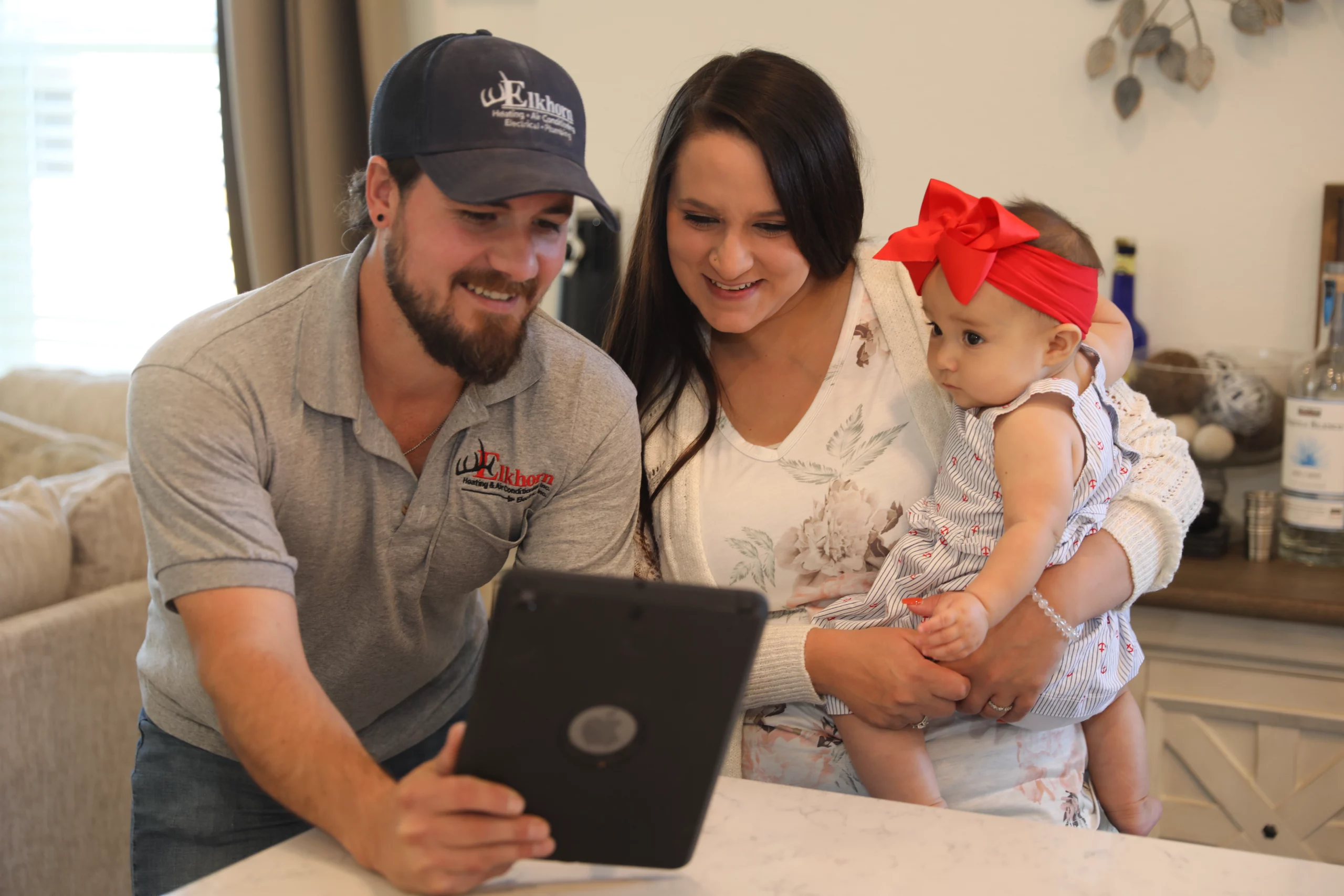
When a hot summer afternoon arrives or a sudden cold snap leaves you shivering, you need your heating, ventilation, and air conditioning (HVAC) system to be functioning at its best. In the Denver and Littleton area, maintenance and repairs are especially important because of our dry air, temperature swings during shoulder season, and dust. Older south-metro homes often contain aging HVAC systems, making timely HVAC repairs essential.
Basic heating and cooling system troubleshooting can help if your home won’t stay at a comfortable temperature. If basic steps don’t work, Elkhorn Heating, Air Conditioning, Plumbing & Electrical offers comprehensive HVAC evaluations, same-day repairs, and upfront pricing.
Quick Start: What To Check Before You Call
Before you schedule HVAC repairs, try the following tips first. Many airflow and performance problems are due to simple issues you can fix on your own. However, if the following steps don’t solve the problem, you’ll need to call for professional repairs.
- Thermostat Settings: Verify that the thermostat mode, set point, and schedule are set appropriately. If your thermostat uses batteries, try replacing them.
- Filters and Returns: Change out dirty air filters. Then, make sure the return isn’t blocked.
- Breakers: If there is a tripped breaker or service switch, reset it once. Don’t keep resetting a repeatedly tripped breaker because this indicates an underlying electrical issue that needs to be fixed.
- Vents: Open the vents. Remove any furniture, clothing, or other items that may be blocking them.
- Clearance Around the Outdoor Unit: To maintain proper airflow, clear a 2- to 3-foot space around the outdoor unit.
- Symptoms: Note any unusual smells, noises, ice buildup, water accumulation, short cycling, or weak airflow. These symptoms can help you determine the cause of the problem.
For your safety and the safety of your HVAC system, you should never open panels, adjust valves, or deal with refrigerants. These tasks should only be handled by a licensed HVAC technician.
No Heating or No Cooling at All
During heating and cooling system troubleshooting, it’s important to note which symptoms occur because this can help you figure out the problem. For example, a lack of heating or cooling is often due to a thermostat signaling issue, tripped breaker, or clogged filter. It can also occur if you have a failed ignition, control problem, faulty blower, activated shutoff switch, or an issue with the outdoor unit.
You don’t need to open up equipment to find out if your indoor fan, outdoor unit, or furnace burners are functioning. If air is coming out of the vents, the indoor blower is likely operating. You can also see if the indoor unit is functioning by reducing or raising the temperature setting and seeing if the unit kicks on.
While the unit is running, go outside. If the outdoor fan is turning, the outdoor unit has power, though additional problems may still be present. For ACs and heat pumps, you should also feel cooler or hotter air coming from the vents if the outdoor unit is working.
Meanwhile, you can check furnace burners by turning the thermostat to heat mode and setting the temperature a little higher than room temperature. Many modern furnaces include a small viewing window that allows you to see the glow of the igniter. If everything is working properly, you should also feel warm air coming from the vents.
You should call for heating repairs if your heat pump or furnace does not produce heat in cold weather. Similarly, you should immediately book an appointment if your AC or heat pump won’t cool during periods of high heat, especially if there are elderly or vulnerable family members in your home. Finally, you should get help if the HVAC system stops functioning after just a few minutes or you experience repeated lockouts.
Weak Airflow or Uneven Temperatures
You may experience weak airflow or uneven temperatures if you have a dirty air filter, blocked return, dirty blower wheel, closed vents, or a duct issue. For cooling systems, a frozen evaporator coil or low airflow can cause these issues. Additionally, many air handler, control board, blower motor, and capacitor issues can lead to these symptoms.
If the temperature and airflow vary in different rooms, there may be an imbalance because of your duct layout. For example, multi-zone systems can struggle if they aren’t set up properly or when temperature demands in different rooms vary drastically. Similarly, new additions and finished basements can lead to weak airflow if the HVAC system wasn’t updated after the change.
As part of your heat pump, AC, and furnace troubleshooting, check the air filter. Verify that returns and vents are open. If these steps don’t work, you should note any airflow changes and relay them to our HVAC team when you call for repairs.
AC Problems: Warm Air, Ice, Water, and Outdoor Unit Issues
Your AC installation can encounter a range of different problems. By noting the symptom, you can determine what could be causing it.
- Warm Air: This often indicates an airflow restriction, incorrect thermostat settings, refrigerant issues, compressor problems, or something wrong with the outdoor unit.
- Ice Buildup: Ice can develop if there is poor airflow, dirty coils, blower issues, or low refrigerant charge.
- Water Accumulation: If the condensate drain or condensate pump malfunctions or develops clogs, water can accumulate around the unit. Similarly, an overflowing drain pan or melting ice from a frozen coil can cause the same symptom.
- Outdoor Unit Issues: If you notice humming, a fan not spinning, short cycling, or loud noises, the outdoor unit may require a professional inspection.
Heating Problems: Furnace and Heat Pump Symptoms
For furnace and heat pump troubleshooting, homeowners should note which symptoms occur and when. A furnace may struggle to ignite, start, then stop, cycle frequently, or blow cold air. Meanwhile, a faulty heat pump may switch to backup heat when it shouldn’t, struggle during cold snaps, or fail to heat your home completely.
These problems often stem from incorrect thermostat settings, dirty filters, blower issues, problems with the flame sensor, or control problems. You can try troubleshooting on your own by checking the thermostat settings and changing the filter.
It’s also important to note that heat pumps may occasionally blow cold air when they are using the defrost setting. This setting allows the heat pump to reverse direction during cold weather to defrost the outdoor coil. Besides cooler air coming from your vents, you may notice a little steam as ice defrosts around the outdoor unit. As long as there isn’t unusual ice buildup or extended drops in performance, the defrost mode isn’t a problem.
If our basic HVAC troubleshooting guide doesn’t help, you should schedule furnace and heat pump repairs. You should also reach out immediately if you notice burning odors or electrical problems. If a carbon monoxide (CO) alarm goes off or you smell gas, immediately evacuate the area and call for help.
Short Cycling, Constant Running, and High Utility Bills
Some HVAC problems and fixes can be handled on your own, but it depends on the cause. For example, short cycling is the term for the unit turning on and off more frequently than it should. If this occurs due to dirty air filters, you can replace the filter on your own. However, you’ll need professional help if short cycling is due to oversized or aging equipment, a frozen coil, incorrect thermostat placement, or control issues.
Other than short cycling, you may also deal with high electricity bills or constant runtimes. Nonstop runtimes can occur because of extreme weather, dirty coils, poor insulation, low refrigerant, or incorrect system sizing. If the unit is struggling to keep up in the winter, you’ll likely notice the heat pump’s backup heat kicking on more frequently.
Meanwhile, a sudden jump in your electricity bill can occur if poor maintenance or a lack of maintenance has resulted in lower energy efficiency. Aging equipment, incorrect thermostat settings, and airflow restrictions can cause higher energy bills as well.
In Colorado, our temperature swings during the shoulder seasons can put significant strain on borderline systems. If you experience recurring operation issues, it’s time to seek an accurate diagnosis.
Strange Noises, Smells, or Moisture
Unusual smells, weird sounds, and moisture accumulation are all indications that your home HVAC is not working properly. You should reach out for help if you notice any rattling, buzzing, humming, squealing, banging, clicking, or metal-on-metal sounds.
Musty, burning, electrical, or gas odors are all signs of a problem. Additionally, you should schedule repairs if your system smells dusty when it starts up.
If you notice moisture or water puddling, you may be dealing with a faulty condensate drain or pump. Frozen coils, humidifier leaks, or plumbing problems can also cause water accumulation.
We recommend immediately calling for repairs if you experience repeatedly tripped breakers, gas odors, or burning smells. Similarly, your carbon monoxide alarms going off or water actively overflowing in your home are signs you should reach out for help.
Homeowner-Safe Troubleshooting Checklist
As a homeowner, you can safely handle the following heating and cooling system troubleshooting on your own.
Check 1: Set the Thermostat
First, adjust the thermostat so that it is set to the correct mode and temperature.
Check 2: Replace the Air Filter
Air filters should be replaced every 30 to 90 days, depending on the manufacturer and usage. During the middle of summer or winter, you’ll likely need to replace it more frequently.
Check 3: Confirm Vents and Returns Are Open
Besides opening your vents, you should remove any furniture or clothes that could be blocking them.
Check 4: Check the Breaker
You can reset a tripped breaker once. For repeated trips, schedule professional repairs.
Check 5: Clear Debris
Remove any debris that is within 2 to 3 feet of the outdoor unit to ensure proper airflow.
Check 6: Record Error Codes and Symptoms
Note any error codes, smells, sounds, ice, or water that occur. Also, pay attention to when each symptom occurs because this can help the HVAC technician diagnose the problem.
When Troubleshooting Should Stop
If the previous tips for Denver HVAC troubleshooting don’t help, it’s time for professional help. The following signs mean you need to stop trying to troubleshoot the problem on your own.
- You have no heat during freezing weather.
- Your home has no cooling during periods of high heat.
- The breaker keeps tripping.
- You notice a burning odor.
- There is visible ice on your unit.
- Water is actively overflowing inside your home, or the safety shutoff keeps activating.
- Your home’s CO alarm keeps going off, there is a gas smell, or you suspect a combustion issue.
- Your outdoor unit produces a humming sound or consistent clicking.
- The fan in your outdoor unit won’t run.
- Your system is older and keeps experiencing the same repair pattern.
At Elkhorn, we offer 100% no-interest financing, no hidden fees, and same-day services, so you can get immediate support when a problem occurs. Plus, our membership plan includes two complimentary tune-ups and special promotions.
Repair, Maintenance, or Replacement Decision Logic
When an isolated component fails and your system is fairly new, performing repairs makes the most sense. Basic problems, like filter, airflow, coil, or drain issues, can be fixed through routine maintenance.
In comparison, a furnace, AC, or heat pump replacement makes more sense when your system is old, the failures keep recurring, or a major component fails. Often, poor comfort and higher energy bills are early signs that your system is approaching the end of its lifespan. If a replacement is needed, 100% no-interest HVAC financing can help it fit into your budget.
FAQs
What should I check first when my HVAC system is not working?
When you encounter common heating and cooling problems, you can troubleshoot by checking the thermostat settings, changing the filter, and seeing if the breaker has tripped. Make sure vents and returns are open and unobstructed. You should also note whether the outdoor unit and indoor fan respond when the temperature settings are changed. If there is any safety concern, immediately stop and schedule repairs.
Why do both my heating and cooling have problems?
If your heating and cooling have problems, it may be due to the same root cause. For example, you may have damaged ductwork affecting the airflow or a faulty thermostat signal. However, it’s also possible that both systems have different problems.
When should I stop troubleshooting?
You should immediately stop troubleshooting, shut the system off, and call for repairs if you notice gas odors, repeatedly tripped breakers, burning smells, water accumulation, ice buildup, or a lack of heating and cooling during unsafe weather conditions.
Can maintenance prevent heating and cooling problems?
Routine maintenance can prevent many Littleton heating and cooling repairs. Through timely maintenance, we can catch dirty coils, clogged filters, weak components, drainage issues, and airflow malfunctions before peak Denver weather exposes them.
Solve Your HVAC Issues
If your heating and cooling system troubleshooting doesn’t fix the problem, Elkhorn can quickly diagnose the issue with same-day service across Littleton, Denver, and the surrounding metro area.
Our Comfort Specialists offer honest recommendations, upfront pricing, no hidden fees, and no-pressure HVAC services.
Reach out to schedule your next HVAC inspection.
Service Request
Contact
"*" indicates required fields