Pressure Transducer Troubleshooting: Common Faults and Fixes
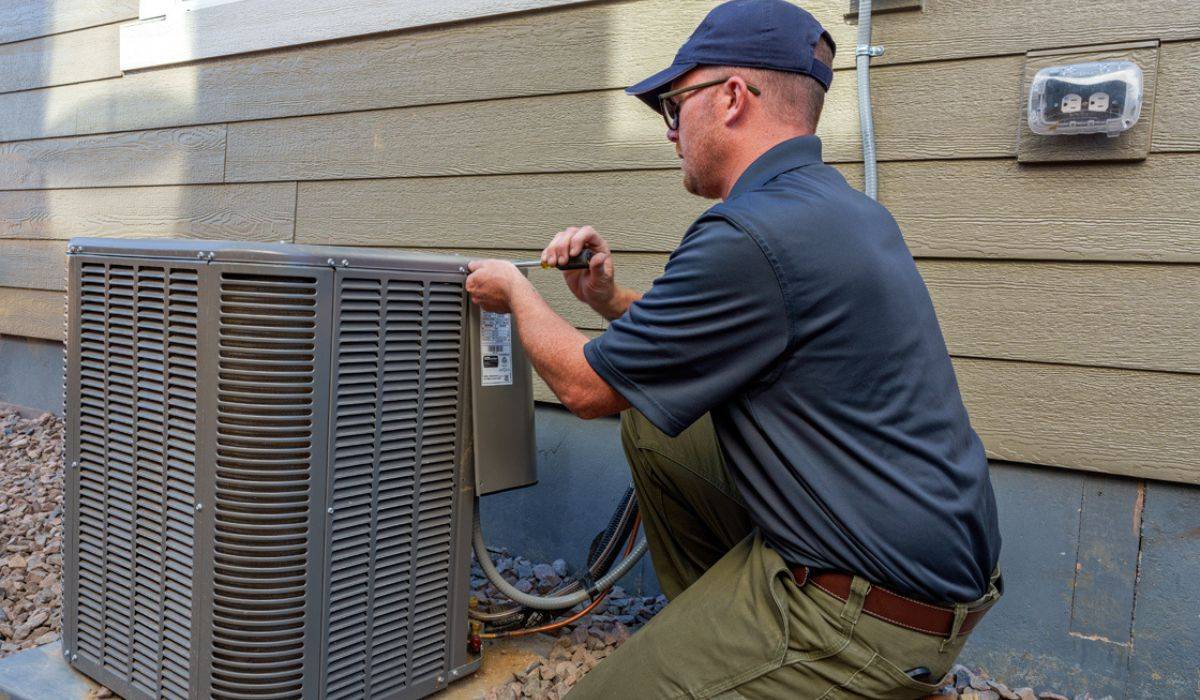
While many pressure transducer issues are caused by improper installation, a pressure transducer fault can also occur from genuinely high or low pressure. If the transducer does fail, your system will become unable to accurately read refrigerant pressure. Because of the safety issues involved, it’s important to immediately reach out to Elkhorn Heating, Air Conditioning, Plumbing & Electrical for pressure transducer troubleshooting as soon as you notice any symptoms of a problem.
Quick Answer: What a Pressure Transducer Fault Usually Means
A pressure transducer is able to measure the pressure of a gas or liquid and convert it into an electrical signal. In your heating, ventilation, and air conditioning (HVAC) system, the pressure transducer is necessary for converting pressure into an electrical signal that the control board can interpret.
If you notice HVAC pressure transducer faults, it may be because the sensor has failed. This can also occur if the wiring or control board can’t read the signal. Alternatively, the pressure levels may be outside the expected range.
Pressure and voltage testing should not be handled by yourself. Because of the safety issues involved, all testing and diagnostics should be handled by a professional.
What Pressure Transducers Do in HVAC Systems
In modern AC and heat pump installations, airflow and refrigerant pressure must be precisely maintained for the safety and efficiency of the HVAC equipment. As a homeowner, you may hear about AC and heat pump pressure transducer errors during a diagnostic appointment or on a service invoice. You may also see this term mentioned through fault codes, thermostat screens, or inverter systems.
Pressure transducers are distinctly different from basic pressure switches. The biggest difference between an HVAC pressure switch vs. transducer is in how they work. A switch just opens or closes when a set threshold is reached. Meanwhile, a transducer sends a variable signal based on changing pressure levels.
Pressure transducers are commonly used to monitor refrigerant pressure in modern heat pumps and air conditioners. Depending on the design, they may also be used for airflow-related controls or duct static pressure.
Common Symptoms of a Pressure Transducer Problem
By understanding bad pressure transducer symptoms and related problems, you can figure out if professional repairs are necessary. When something is wrong with your pressure transducer, you’ll likely notice the following problems. However, it’s also important to note that many of these signs can overlap with the symptoms of dirty coils, low refrigerant, control board issues, wiring faults, and restricted airflow.
- After the system locks out, it displays a pressure sensor, low-pressure, or high-pressure code.
- Your AC or heat pump starts up, but it shuts down right away.
- The system short cycles during periods of extreme heat or cold.
- Your variable-speed equipment doesn’t ramp up properly.
- The outdoor unit runs erratically.
- Your cooling and heating performance is inconsistent.
- The thermostat or control board shows repeated sensor communication errors.
Common Pressure Transducer Faults and Causes
For better pressure transducer troubleshooting, it helps to understand the most common pressure transducer faults and why they happen.
Failed Sensor
The sensor can fail due to faulty internal electronics or diaphragm wear. Age-related drift can also cause incorrect readings.
Wiring or Connector Problems
If you have loose plugs, corrosion, rodent damage, or damaged insulation, it can end up interrupting the signal. The only way to resolve this issue is by finding and repairing the wiring or connector issue.
Control Board Interpretation Issue
When the control board doesn’t receive, process, or respond to signals correctly, it can lead to a transducer fault.
Actual High Pressure
Faults can also occur when the pressure level is genuinely high or low. High pressure can occur when there is a faulty fan motor, dirty outdoor coil, overcharge, or blocked airflow.
Actual Low Pressure
Similarly, low pressure can cause a pressure sensor fault in an HVAC system. The pressure level may fall because of undercharge, refrigerant leaks, severe airflow restrictions, and metering issues.
Contaminated or Blocked Sensing Port
Over time, the sensing port can become blocked by moisture, debris, and oil. It can also be blocked if it is installed incorrectly. When this happens, it can lead to inaccurate pressure readings.
Environmental Wear
In the Denver and Littleton area, heat pumps, high-efficiency systems, and variable-speed HVAC equipment need sensors for feedback. Unfortunately, Colorado’s dust, hail, vibration, heat, and freeze-thaw cycles can place an added strain on outdoor components and wiring. These added strains can reveal sensor, refrigerant, and airflow issues, leading to more frequent repairs and maintenance.
What Homeowners Can Safely Check First
Before you reach out for heat pump, AC, and furnace maintenance and repairs, there are a few pressure transducer troubleshooting steps you can perform on your own.
Check 1: Write Down the Exact Fault Code or Thermostat Message
This makes it easier to remember later on, so you can look it up or relay it to one of our Comfort Specialists.
Check 2: Confirm Whether the Issue Appears in Cooling, Heating, or Both Modes
You should also see if the issue recurs in heating and cooling modes. This can help you narrow down the potential cause and is important information to relay to the HVAC technician when they arrive.
Check 3: Replace a Dirty Air Filter if Airflow Is Weak
A dirty filter can limit airflow and lower the unit’s efficiency. Ideally, filters should be replaced every 30 to 90 days at a minimum. During periods of peak use, they should be changed more frequently.
Check 4: Clear Leaves, Cottonwood, or Obvious Debris Around the Outdoor Unit
After a few windy days, debris can end up clogging your outdoor unit and preventing proper airflow. We recommend keeping a 2- to 3-foot clearance around the outdoor unit.
Check 5: Check That Supply Vents and Returns Are Open and Unblocked
Go from room to room to make sure each vent is open. Additionally, move any furniture or curtains that could be obstructing the vents or returns.
Check 6: Note Recent Symptoms: Short Cycling, Ice, Loud Fan Operation, Breaker Trips, or Poor Comfort
When you reach out for Denver HVAC pressure sensor repair, it helps our Comfort Specialists to know what symptoms you are experiencing. Each symptom indicates a different type of problem.
For the safety of your home, family, and HVAC system, you should never open panels, probe wires, or add refrigerant on your own. If the system repeatedly locks out, do not keep resetting it. Instead, call our team for a full inspection and repairs.
Our Professional Diagnostic Process
When you call us for heat pump AC and pressure sensor troubleshooting, there are a few diagnostic tools we can use to detect and diagnose the problem.
- First, our team will verify the fault mode that appears. We’ll also check what operating mode was being used when the code occurred.
- Our Comfort Specialist will take pressure measurements so that we can compare the sensor readings to the actual measurements.
- We will carefully inspect your wiring, connectors, and control-board response for any issues.
- Our certified technicians will check your refrigerant levels and pressure with the proper tools.
- Then, we will evaluate your airflow, fan operation, and metering-device behavior. We will check the coils to see if they are dirty or suffering from ice buildup.
- Finally, our Comfort Specialist will determine whether the transducer has failed or is accurately reporting another system problem.
At Elkhorn, we offer upfront pricing and 100% no-interest financing to make getting repairs as easy as possible. Before we begin, we will carefully explain all of the repair work needed.
Once the repairs are done, we recommend using our membership plan for complimentary HVAC tune-ups. Through routine maintenance, you can prevent future HVAC issues and detect existing problems before they escalate.
Fixes: Sensor Replacement vs. Larger HVAC Repair
How we fix the problem is going to depend largely on what the cause is. The following are just a few of the different repairs that may be necessary in this type of situation.
- Sensor Replacement: If the transducer reading is inaccurate or the signal is unstable, a sensor replacement may be the best option.
- Wiring, Connector, or Control-Board Repairs: After our diagnostics are complete, we can determine if the connector, wiring, or control board needs to be repaired or replaced.
- Coil Cleaning: Our Comfort Specialists can clean your evaporator and condenser coils so that they are better at transferring heat.
- Fan Repair: Sometimes, airflow and temperature-control issues can be resolved by replacing the fan motor, capacitor, motor bearings, or other components.
- Airflow Correction: If the pressure is too high because of a dirty condenser coil, condenser fan failure, or blocked condenser airflow, your system may need to have its airflow corrected.
- Refrigerant Repairs: When a refrigerant leak is detected, our team will quickly locate and fix the leak. Afterward, we can recharge your system.
When repairs are relatively minor and inexpensive, it often makes sense to just perform the repairs. This equation changes if you’re dealing with an older unit that requires frequent repairs or a major component repair. Once the HVAC system is close to the end of its normal lifespan, you’ll likely notice rising energy bills, declining indoor comfort, and more frequent repairs. Eventually, it may be more cost-effective to install a new AC or furnace than pay for another repair.
When To Call for Same-Day Services
If your basic Littleton heat pump sensor troubleshooting doesn’t solve the problem, a more serious issue is involved. We recommend calling our team for same-day services if you experience any of the following situations.
- Your system repeatedly locks out.
- The HVAC system won’t heat or cool as well as normal.
- There is ice buildup on the unit.
- You noticed a burning odor.
- The breaker keeps tripping.
- Your outdoor unit is making a loud, new sound.
- The airflow is poor or uneven.
- Your home has vulnerable occupants during periods of high heat or extreme cold.
When the temperature level rises or drops significantly, it isn’t safe to go without a functioning HVAC system. Through our same-day services, you can immediately get diagnostic help. We’re committed to delivering the best level of customer satisfaction, which is why we provide a money-back guarantee and never charge hidden fees.
Whether you need a new AC installation or routine maintenance, our team offers the prompt, reliable HVAC services you need. Schedule your next HVAC inspection today.
FAQs
Does a pressure transducer fault mean the sensor is bad?
Not necessarily. While a fault may occur because of a malfunctioning sensor, it can also occur because there is a real pressure change. For example, many airflow, refrigerant, coil, control, and fan problems can lead to detectable pressure changes. Commonly, pressure transducer faults occur because of loose wiring, damaged wiring, or an unstable power supply.
What is the difference between a pressure switch and a pressure transducer?
A pressure switch is designed to open and close at a set point. In comparison, pressure transducers are set up to convert changes in pressure into electrical signals, so your control board has detailed pressure information.
Can I test a pressure transducer myself?
No, this isn’t a DIY task. It involves refrigerant pressure, control-board diagnosis, and electrical signals. Because of the safety risks involved, homeowners should never test a pressure transducer on their own.
Can a heat pump have a pressure transducer fault?
Yes, it can. Modern heat pumps may be designed with a pressure transducer so that they can get pressure feedback during heating and cooling modes. If the transducer fails or the pressure level is off, there may be a pressure transducer fault. Because multiple issues can cause the transducer fault, it’s important to book a diagnostic appointment to determine the cause.
Schedule a Professional HVAC Inspection in Denver and Littleton
If your HVAC system is experiencing a pressure sensor or transducer fault, Elkhorn can diagnose the underlying airflow, sensor, wiring, and refrigerant issues through our same-day services in Littleton and Denver.
After performing pressure transducer troubleshooting, our Comfort Specialists will explain the cause clearly and offer upfront pricing before we begin any work.
Service Request
Contact
"*" indicates required fields