Why Does My Heat Pump Go Into Defrost Mode? What’s Normal and What’s Not
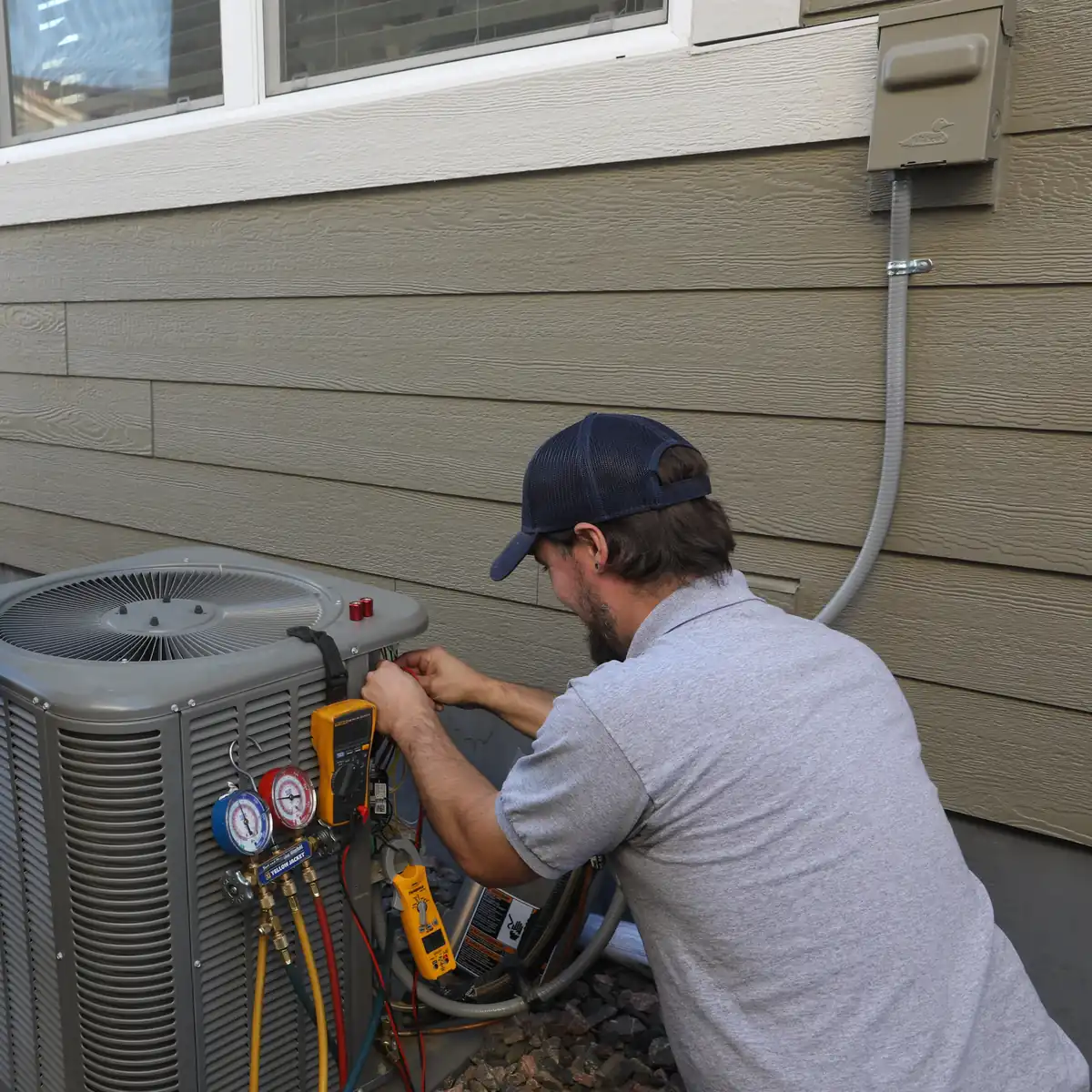
On a cool, damp morning in Denver or Littleton, seeing steam coming from your heat pump can feel alarming. The good news is that a little steam is often due to the heat pump’s defrost mode and isn’t a cause for concern. As a homeowner, there are a few things you can do to determine if defrost mode is active and when something is wrong with your unit. If you are having trouble with your unit’s defrost mode or ice buildup, Elkhorn Heating, Air Conditioning, Plumbing & Electrical can help.
Quick Answer About Frost and Steam
An air-source heat pump’s defrost cycle is a normal part of how it functions. Because the outdoor coil can be colder than the surrounding air, frost can develop even when outdoor temperatures are above freezing.
While defrost is a normal part of the heat pump’s operation, persistent ice is an issue. Additionally, ongoing loss of heat is a sign you should reach out for professional help. Your vents may temporarily blow cool air during defrost, but this should only last for a few minutes.
It is also normal for steam to rise from the outdoor unit during defrost mode. The only time this is an issue is if there is smoke or a burning odor present. If there is, turn off the heat pump and call for professional repairs.
What Normal Defrost Can Look Like
Most people will not notice anything different during defrost mode. Many heat pumps are also outfitted with backup electric heat strips that run when defrost mode is on. For the few people who do not have backup heat, the vents may temporarily blow cool air during defrost mode before switching back to heat mode.
During cooler weather, frost collects on the outdoor coil. In defrost mode, the heat pump reverses direction temporarily to warm up the coil enough to clear the ice. The duration of this process varies based on the equipment.
As the heat pump’s defrost mode is carried out, you may notice a few potential symptoms. Steam may occur as the ice melts, which may also lead to water drainage. Depending on the equipment, the outdoor fan may also pause or slow down.
Inside your home, you may notice a temporary change in comfort as the heat strips turn on. You may also hear different noises coming from the outdoor unit temporarily. Once the defrost mode is complete, normal operation should resume. It’s also important to note that equipment can vary, so the most important thing is what is normal for your system.
When your defrost mode stops operating like it normally does, you should reach out for professional repairs. For example, your system should be looked at if your heat pump is stuck in defrost mode. Similarly, an ice mass that doesn’t melt or that gets worse is a sign that something is wrong with your unit.
Why Defrost May Not Clear the Problem
Even with the help of defrost mode, your unit may struggle to clear the ice. While you may be able to troubleshoot some of these HVAC issues on your own, others require an experienced technician.
Reasons Why Defrost Mode May Not Help
A heat pump’s defrost mode is designed to melt frost and ice from the outdoor coil. However, excessive ice buildup or refreezing water can prevent the system from clearing the unit effectively. Additionally, underlying equipment malfunctions can prevent the defrost setting from performing at its best.
- Restricted Outdoor Airflow: When air is unable to flow freely over the outdoor coil, the coil can become colder and accumulate frost more quickly. Twigs, debris, and plant matter can clog the outdoor unit. Similarly, issues with the fan motor or blade can result in reduced airflow.
- External Water or Runoff Refreezing: If you have water coming off of your gutters or your eaves, it could lead to more ice accumulation than defrost mode can handle. Defrost mode is not able to heat up the coil enough to melt a solid block of ice.
- Sensor or Control Faults: Sometimes, issues with the sensors or control boards stop defrost mode from being triggered at all. Even if defrost mode is triggered, the cycle may end before it has enough time to melt the frost or ice.
- Reversing-Valve Problems: Heat pumps rely on a reversing valve to change the direction of heat transfer. If the reversing valve is stuck or its solenoid malfunctions, the system may be unable to reverse refrigerant flow and warm the outdoor coil.
- Refrigerant-Related Performance Issues: Low refrigerant levels reduce the amount of heat that can be transferred, which can impact how much ice is melted off the coil. The refrigerant system operates as a closed loop, so low refrigerant levels generally indicate a leak or an improper initial charge. Because of this, you should have your unit professionally inspected, repaired, and recharged if you think the refrigerant is low.
How Our Technicians Can Diagnose the Problem
If your heat pump has a frozen outdoor coil or your heat strips are not working during defrost, our technicians can help you diagnose the problem. Once we’ve diagnosed the source of the issue, we can walk you through the different solutions. Your technician will inspect your unit using the following process.
- First, we check for diagnostic fault codes and tripped switches.
- We’ll isolate the temperature sensors used for defrost mode and test their electrical resistance.
- Our team will test the control board to see if it is communicating with the thermostat, reversing valve, and heat strips.
- Then, we will check the refrigerant levels and detect potential leaks.
- Our team will inspect for airflow-related issues.
It is important to test all of these components because many symptoms, like a stopped fan or frost buildup, are normal. If you are having issues with your heat strips, we can also check to make sure they are operational. Some systems aren’t designed with heat strips, so you may experience temporarily cooler air blowing through your vents while defrost mode is active.
In Northern Colorado, some homeowners rely on dual-fuel systems. These units offer a furnace’s powerful source of heat on extremely cold days and a heat pump’s energy efficiency during mild and moderate weather. While there are two different systems, it’s important to note that the furnace may not run during defrost mode. It just depends on how the system is configured.
Safe Checks You Can Perform Without Forcing a Defrost Cycle
If you are having issues with your heat pump’s defrost in Denver, there are a few troubleshooting steps you can take on your own.
Note the Situation and Contributing Factors
First, note the weather and outdoor air temperature when the problem occurs. Pay attention to other signs, such as the thermostat’s mode and visible steam. It’s also important to see if the heat starts working normally again after the defrost mode is complete.
Observe From a Safe Location
Monitor the unit from a safe location. Record any changes that occur. To avoid potentially damaging the unit, you should not repeatedly restart the system.
Remove Obstructions
Clear around 2 to 3 feet of space around the outdoor unit, depending on the specific instructions in the owner’s manual. Only remove loose obstructions if it is safe to do so. For your safety, you should never reach inside the unit.
Address Runoff
If the unit is directly under gutters or eaves, it may be struggling because of extra runoff. Have damaged gutters or eaves replaced. You can also talk to a professional about the best way to redirect water away from your unit.
Important Safety Note: To avoid damaging your unit, you should never chip ice off the heat pump or pour hot water on it. Do not cover a running heat pump or attempt to bypass sensors. Never change installer settings or manually force defrost mode to occur. Emergency heat can provide temporary heating if the heat pump isn’t working, but it doesn’t resolve the underlying problem and may result in higher energy costs.
When a Technician Should Inspect It
While some heat pump issues can be dealt with on your own, other situations require professional help. We recommend immediately calling for help if you are dealing with any of the following situations. Once you reach out, our team can quickly check the sensors, control sequence, drainage, airflow, auxiliary-heat operation, and refrigerant performance to determine the cause of the problem.
- Persistent or Worsening Ice: If your heat pump cannot clear the ice or frost, there is likely something wrong with the unit. Instead of straining the system, you should have it inspected.
- Repeated Poor Recovery: Note how long your defrost mode normally lasts. If the unit is spending longer in defrost mode or is experiencing more defrost cycles, stop using the unit and call for help.
- Repeatedly Tripped Breakers: You can reset a breaker once if it trips. Frequent tripping indicates an underlying electrical problem, which needs to be addressed quickly for the safety of your home and family.
- Lower Indoor Comfort: Your heat pump should be able to keep your family warm all winter. A cool or uncomfortable home is a sign you may need repairs.
- Fan Contact With Ice: Loud scraping or buzzing noises may mean that excess ice has built up and the fan is hitting the ice. Shut off the system if the fan is contacting ice.
If your heat pump is functioning abnormally, you should stop using the unit and call for help. Smoke, fire, or a carbon monoxide (CO) alarm going off are all signs that you should immediately leave your home and contact emergency services.
Prepare for Colder Weather
Before colder weather arrives, there are a few important steps you can take to prepare your heat pump. The most important step is to schedule your annual tune-up. Through our Whole Home Comfort Plan, you can receive complimentary tune-ups and access special discounts.
As a homeowner, you can protect your outdoor unit by removing weeds and plants in the surrounding area. Pay attention to drainage paths, so water has a way to escape. Additionally, you may need to remove leaves or debris from your gutters to prevent water from overflowing onto the unit.
Frequently Asked Questions
Is steam from a heat pump normal?
Seeing heat pump steam in winter isn’t necessarily a problem. This symptom can occur during normal defrost mode. As long as the heat pump successfully clears the ice or frost and returns to heating your home afterward, it isn’t a cause for concern.
Steam may be normal, but smoke is not. If you notice smoke, burning odors, or a lack of heat, you should immediately call Elkhorn for an inspection and repairs.
How often should a heat pump defrost?
It all depends on the weather conditions and the heat pump’s controls. The best way to know how long your defrost mode should last is by consulting the manual for your heat pump. If you no longer have this manual, you can ask one of our technicians for insight into how long your heat pump’s defrost mode should last.
Why does the outdoor fan stop during defrost?
Some systems are designed to have the fan stop as part of the normal defrost process. However, persistent fan failure outside of a normal defrost cycle is not normal and should be diagnosed by a professional.
Should my heat strips run during defrost?
It depends. Electric strips and fuel-burning backup systems have different control sequences. Different models can also vary, so heat strips should only run if the system is designed to do so. Additionally, some homes cannot have heat strips run because certain heat pump setups do not contain heat strips.
Optimize Your Heat Pump for Year-Round Comfort
Unsure if your heat pump’s defrost mode is fully functional? Our Comfort Specialists can quickly diagnose defrost issues in Denver and Littleton. We are committed to delivering exceptional results, which is why we offer same-day services, transparent pricing, and a money-back guarantee.
Book your heat pump inspection today by calling us at 720-526-3577.
Service Request
Contact
"*" indicates required fields