Zoned Heating System Not Working? Common Causes and Fixes
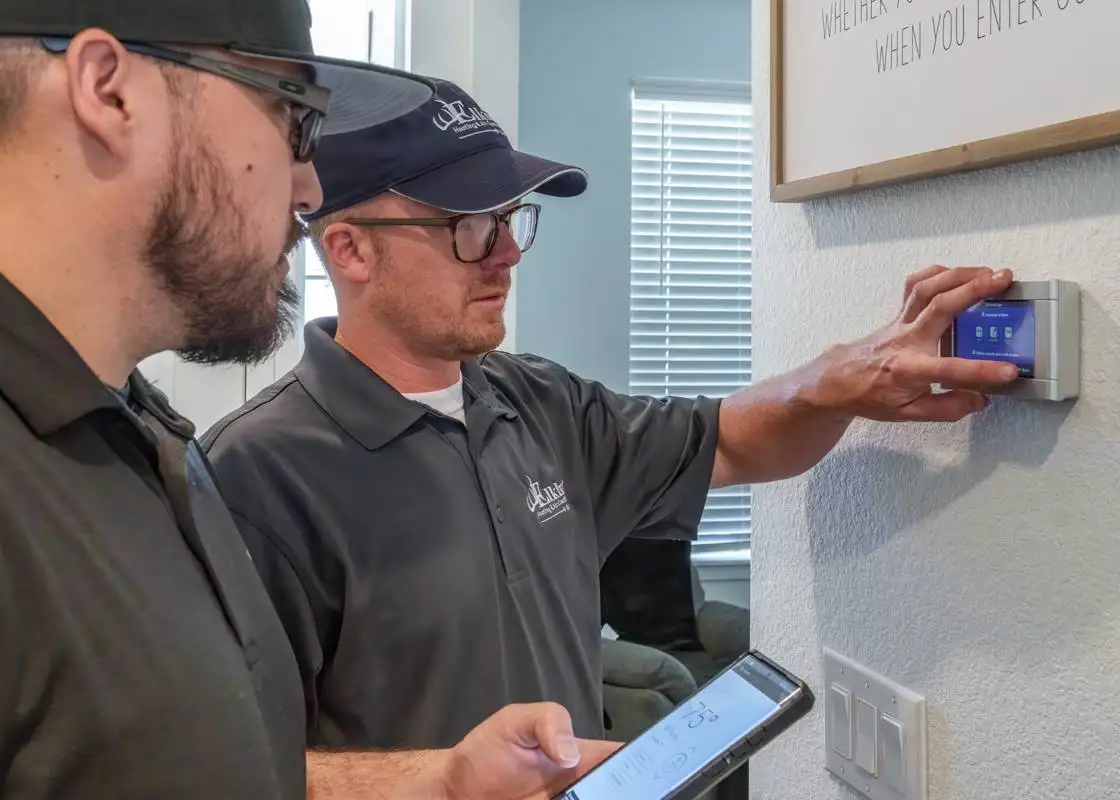
Underlying issues can come to light when you first start up your heating system in October. A lack of maintenance, dust buildup over the off-season, or unexpected repairs can all result in your zoned heating system not working. If only the second story of your home or your basement lacks heat, it may be due to a zoning-related issue. For help assessing your zoned system, reach out to Elkhorn Heating, Air Conditioning, Plumbing & Electrical.
Quick Answer: When One Zone Stays Cold
When one zone in your home remains cold, it is often related to the dampers, controls, thermostat, or duct delivery. If multiple zones fail at once, then shared equipment, power, or controls are involved.
To get a better understanding of ducted zoning troubleshooting in Denver, we’ll dive into forced-air ducted zoning. Because they operate differently and involve unique components, we will not cover hot-water boiler zones or separate standalone systems.
How the Thermostats, Panel, and Dampers Work Together
In a zoned heating system, the thermostat, control, dampers, and shared heating equipment work together to heat different rooms of your home. The process begins when the thermostat sends a call for heat to the central control board. As the brain of the system, the control board prioritizes calls from different zones and translates those requests into commands that are sent to the dampers and the shared heating, ventilation, and air conditioning (HVAC) unit.
Small electrical motors known as actuators are typically mounted on the outside of the ductwork and operate dampers inside the ducts when they receive a signal from the control board. Dampers are opened in zones that require heat, and they are closed in zones that do not. This directs the flow of air to each zone, so every section of your home reaches the appropriate temperature.
Because of how this system works, you can often tell what is wrong with the unit by noting common noises, which zones are cool, and other symptoms.
- One Cold Zone: A single cold zone may be due to a broken thermostat, defective damper, or a blown zone fuse.
- All Zones Cold: If every zone is producing cold air or no air, a system-wide issue is likely responsible. For example, the heating equipment may be in lockout mode, the power supply may be affected, or the high-limit switch may be tripped.
- Heat in a Zone That Is Not Calling: When heat occurs in a zone that is not calling for heat, the damper may be stuck open. Alternatively, some systems are engineered with minimum airflow settings.
- Clicking Noises or a Lack of Movement: If you hear clicking noises and note a lack of damper movement, the actuator may be failing.
- Short Cycling or an Uneven Response: These symptoms can occur because of excessive static pressure or temperature sensor issues.
It’s also important to note that a system’s normal operations may involve a minimum level of airflow to keep static pressure from becoming excessive. Normal purge cycles after a heating cycle ends prevent heat stress on the unit by dissipating the remaining heat. Finally, control priority can impact the flow of heat. Depending on the zoning system, the control board may prioritize certain zones or coordinate competing heating and cooling requests.
Common Reasons a Ducted Zone Stops Responding
When a zoned heating system is not working, there are a few common issues that may be responsible. To effectively diagnose the problem, it’s also important to consider which zones are affected, the model type, and symptom compatibility.
The Most Frequent Reasons for a Zoned Heating System Not Working
From thermostat configuration to zone-panel faults, there are a few common reasons why a zoned heating system will stop working.
Thermostat Configuration and Power Issues
Sometimes, the problem isn’t the zone itself. If the thermostat is unable to communicate with the system, heat won’t turn on. Dead batteries, incorrect thermostat schedules, or the wrong settings can lead to the thermostat not signaling correctly or being unable to signal at all.
You can troubleshoot by checking the display screen. If the display is blank or shows a low battery warning, check the batteries and thermostat power supply.
You can also check and adjust the thermostat settings if they are incorrect. For example, the system may have an active hold or be set to vacation mode. System mode mismatches, such as operating one zone in cooling mode while the rest of the house is in heating mode, can cause the system to reject the call. You can see if this is the problem by checking the thermostat settings.
Communication and Wiring Issues
In a zoned system, there is constant communication between the dampers, thermostat, and central zone panel. Communication bus failures and disconnected wiring can impede this communication.
You can troubleshoot wiring issues by checking for a few common signs. Disconnected or damaged wiring can keep the indicator light for specific zones from turning on. If the C-wire is affected, the thermostat may completely lose power.
Many systems contain proprietary communication systems. If the data is corrupted, components will be unable to speak together. Some systems display a communication error code when communication between components fails.
Wiring problems may be solved by replacing the wiring involved. For communication systems, a technician may need to update firmware, re-address modules, or replace communication wires. Both wiring and communication system troubleshooting should be left to the professionals.
Failed or Stuck Dampers and Actuators
The actuator is a motorized device that opens and closes dampers. A failed actuator can cause the damper to stay stuck open or closed. If this is the problem, you may notice that the panel indicator light is lit, but the affected zone receives little or no airflow. This issue is typically fixed by replacing the actuator.
Stuck damper blades can also prevent dampers from opening or closing. With this issue, you may hear a loud humming or clicking coming from the dampers. When a technician inspects the unit, they’ll notice that the actuator is hot to the touch due to its repeated attempts to move the damper. Depending on the cause, the technician will clear obstructions or replace the affected components.
Zone-Panel or Power Faults
Short circuits and power surges can damage fuses and damper wiring. This will generally cause the zone panel’s lights to stay off, or a zone bank will lose power. Our team will diagnose the short circuit or damaged transformer to determine what needs to be replaced.
With failed internal relays, the thermostat sends the call successfully. However, the output terminal does not provide the expected voltage. Again, zone control panel problems must be diagnosed and repaired by a professional.
Duct Restrictions, Leaks, and Airflow Problems
In some cases, the thermostat, electrical components, and dampers are working fine. If the ductwork is damaged or restricted, the airflow can’t reach each vent. Too many dampers closing at once can also cause the static pressure to spike too much.
Ductwork and airflow issues should be diagnosed by a professional. Depending on the cause, our team may seal, repair, or replace the ductwork. We can also measure airflow and static pressure, then adjust the ductwork or zoning system to address excessive static pressure.
The Difference Between Single-Zone and Multi-Zone Issues
If only a single zone is experiencing issues, the other zones will operate normally. You can tell if multi-zone issues are involved by whether your entire home is experiencing the problem or not. Multi-zone problems are often related to a fault with the furnace, heat pump, blower, or shared zone control systems.
Symptom Interpretation Varies Based on the Model
Your equipment model can also affect the symptoms experienced and what they mean. For example, many HVAC systems are designed with temperature sensors, pressure switches, and other controls that shut down the unit if unsafe operating conditions are detected. Because of this, it is important to have one of our HVAC technicians evaluate your system.
Safe Checks for Each Zone
If your zone thermostat is not calling for heat or a zone isn’t receiving heat for another reason, there are a few things you can do to troubleshoot.
- Confirm the Thermostat’s Settings: First, confirm that the thermostat is set to “Heat” mode. It should also be set to the appropriate set point and schedule. Verify if other zones seem to respond to their settings.
- Check Batteries: If your thermostat relies on batteries, check whether they need to be replaced.
- Clear Vents: Check each supply and return grille to verify that it is clear and unobstructed.
- Change the Filter: Inspect and replace the filter in accordance with the user manual.
- Note Error Codes: Without opening any electrical enclosures or panels, note any error codes that appear.
For the safety of your HVAC system, do not force actuators, bypass sensors, or reset the panel repeatedly. Never enter unsafe attic or crawl spaces. To avoid damaging your HVAC system, you should never attempt to force heat elsewhere by closing registers.
What a Zoning Service Visit Should Establish
When you reach out for heat pump and furnace repairs, our team will come to your home to diagnose the problem. We will trace the thermostat call through the panel to the damper. Our team will verify that the call is being received and sent. We’ll also monitor airflow in your ductwork to see if duct-related issues are at fault.
Many HVAC components can cause zoning issues. Because of this, our team will inspect and test shared equipment and static pressure in your system. We’ll evaluate your system’s voltage and settings based on the model-specific requirements.
As a homeowner, you should immediately reach out for help if you notice a persistent lack of heat or repeatedly tripped breakers. If there are vulnerable family members in your home, unsafe temperature conditions necessitate emergency repairs.
Gas odors and carbon monoxide (CO) alarms are a sign you should immediately evacuate your home. Once you and your family are in a safe location, call 911 or your utility provider’s emergency line.
Prevent Repeat Trouble After Repairs or Remodeling
Whether you have a zoned system in your two-story home or for individual comfort, there are a few things you can do to prevent future HVAC issues.
- Document zone labels to make diagnosis easier.
- Keep grilles and filters accessible and unobstructed.
- After remodeling work, ask to have your zones tested.
- Assess additions, duct changes, and replacement thermostats for their compatibility and airflow.
- Never bypass a damper or install a larger furnace to repair other issues.
Frequently Asked Questions
Why is only one heating zone cold?
If only one heating zone is not working, it may be due to a local thermostat or damper. Damaged or leaky ductwork may also be responsible. Because multiple issues can cause this problem, it’s essential to get a professional diagnosis.
Why does a zone receive heat when its thermostat is off?
A zone may still receive heat if there is a faulty damper or leakage occurring. It may also be due to a purge cycle, during which the blower continues running after the heating cycle ends to dissipate residual heat. Additionally, some zoning systems allow a minimum amount of airflow into zones that are not calling for heat. If the thermostat’s fan is set to “On,” the blower may also circulate air continuously.
Does a green zone light mean the damper works?
The meaning of each color can vary based on the model and manufacturer. For example, the green light in some systems means that the system is commanding the damper to open. However, even if the system is signaling the damper to open, it does not mean that the damper actually is. If you do not think that your damper is opening when it is supposed to, you should reach out for professional diagnostics.
Can I manually force a stuck damper open?
No, you should not force open an HVAC zone damper that is stuck. Forcing a stuck damper can result in a warped metal plate or broken gears. It can also have negative consequences for the actuator and airflow, so this task is best left to the professionals.
Take the Next Step With Elkhorn Heating, Air Conditioning, Plumbing & Electrical
Are you dealing with a zoned heating system that is not working? Our Comfort Specialists offer upfront pricing, same-day services, and a money-back guarantee. We serve homeowners throughout the Denver and Littleton area.
We can quickly assess your HVAC system to determine the source of the problem. Then, we’ll walk you through potential repair options with no pressure. Book your zoned heating system repairs today.
Service Request
Contact
"*" indicates required fields