Why Is My Furnace Leaking Water? Causes and Fixes
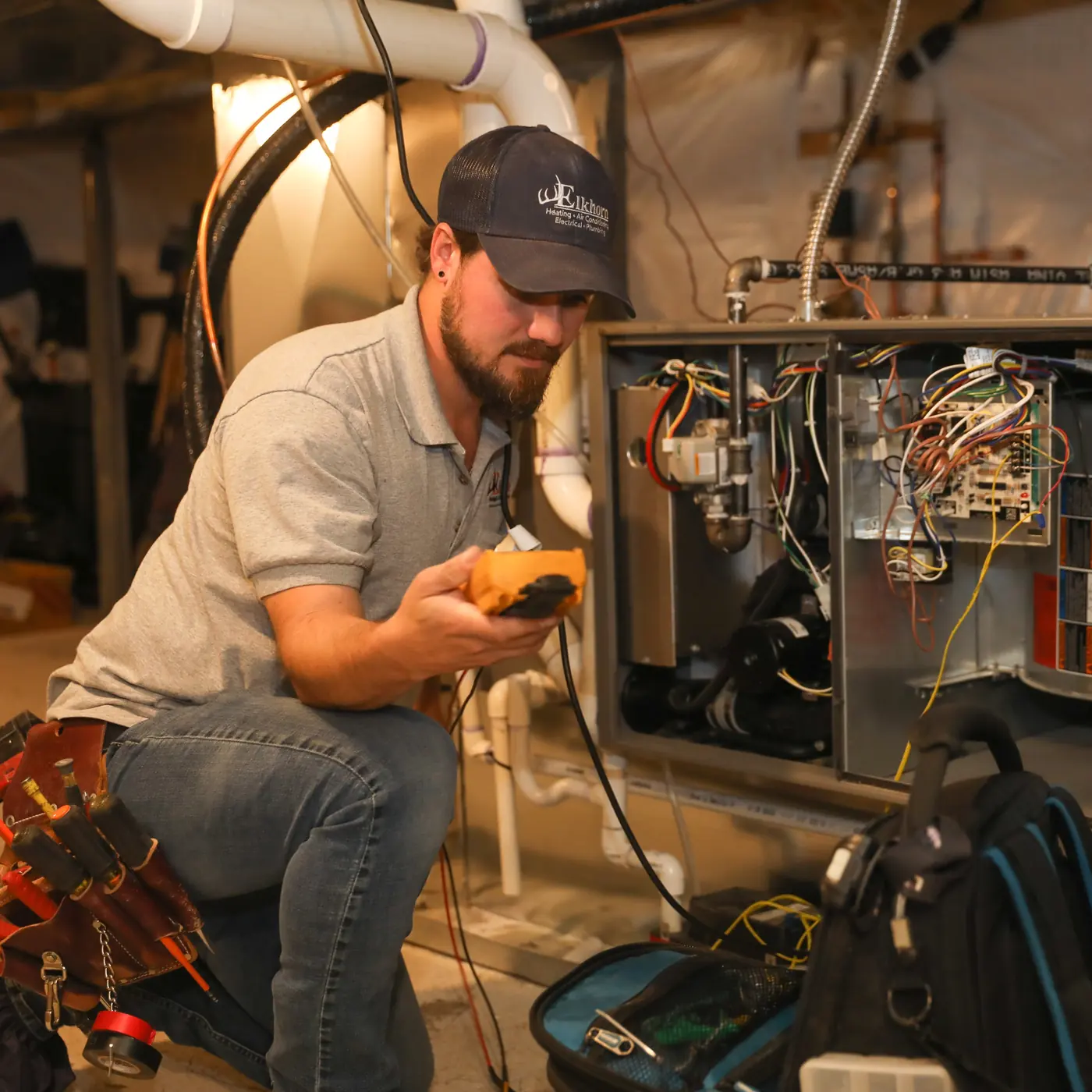
October’s colder weather means Denver and Littleton homeowners are switching on their furnaces and using them for longer each day. During the off-season, problems can develop that go unnoticed until you start using your furnace again.
There are a few steps you can use to troubleshoot a furnace leaking water on your own. If these steps do not work or there is a safety issue present, you should call Elkhorn Heating, Air Conditioning, Plumbing & Electrical for professional repairs.
Quick Answer and Immediate Priorities
If you notice water under the furnace when your heat is on, there are a few different issues that may be responsible. Often, this type of issue is related to the condensate drainage, humidifier, pump, or nearby plumbing. Unfortunately, the location alone won’t tell you what is wrong with it.
The most important thing is to make sure your home and family are protected. Immediately stop use from a dry, accessible control if it is safe to do so. You should not step into the water or touch any wet equipment in order to disconnect the furnace. If you are unable to safely shut it off, you should call our team for help.
Is the Water Coming From the Furnace?
If you have a high-efficiency furnace, pooling water may be due to a furnace condensate drain leak. This type of furnace uses a secondary heat exchanger to recover additional heat. As part of this process, condensate is created. While collecting combustion condensate is a deliberate part of the design, leaking onto the floor is not.
No matter what type of furnace you have, the location of the leak can help you tell what the potential cause is.
- Below the Cabinet: Leaks in this location are often related to clogged condensate drain lines, cracked condensate pans, or leaking internal collector boxes.
- Around the Humidifier Tubing: Often, leaks around the humidifier tubing are due to a damaged or loose connection.
- Near the Pump: These leaks may be related to a failed condensate pump, faulty float switch, or a blocked discharge line.
- A Wet Filter: When your filter is wet, it may be due to a severe backup in your drain pan. If your cooling system is running, it could also be due to a frozen evaporator coil.
- Moisture Present on an Exterior Surface: This may result from condensation on a cold surface, a leaking condensate connection, or a problem with the furnace’s venting system. For example, poor venting can cause the exhaust gases to condense and drip back onto the furnace.
You should also note whether your cooling or heating system is currently in use. If your cooling system is running, the water may be due to frozen evaporator coils, a cracked drain pan, or another cooling-related issue.
While a damaged heat exchanger can contribute to condensate leaks in a high-efficiency furnace, there are many other potential causes of water pooling around the equipment. Because of this, we recommend scheduling a professional inspection to determine and repair the cause of the leak.
Common Causes and How They Can Be Fixed
There are multiple reasons why a furnace might be leaking water in Denver. To fix the problem, we first have to determine the source. Then, we can walk you through potential solutions so that you can make an informed repair decision.
Condensate Drain/Trap Restrictions
High-efficiency furnaces are designed with a secondary heat exchanger to capture more of the heat produced. Condensate is created as a byproduct of this process. This liquid is routed through a drainage system and discharged away from your home’s heating, ventilation, and air conditioning (HVAC) equipment. If the condensate drain is clogged or there are trap restrictions, it can lead to the condensate leaking out.
Common Symptoms
You may notice standing water around the unit. If water or pressure builds up behind the blockage, it may cause a safety lockout. You may also notice musty odors or gurgling noises.
Solution
Our team will determine if the condensate drain or trap is blocked or damaged. Then, we can clear the blockage or repair the affected component. In the future, you can prevent this problem by scheduling routine maintenance tune-ups and having your drainage system inspected regularly.
Pump or Discharge Problems
Pump and discharge problems are closely related to condensate drain and trap issues. Condensate is drained from your system using a tube that can become blocked or kinked. Similarly, a stuck float switch can stop liquid from draining and cause the reservoir to overflow.
Whenever possible, we use gravity to hasten the flow of condensate away from your unit. Sometimes, units are installed in basements or other areas where condensate cannot drain to an appropriate discharge point by gravity alone. In these situations, a pump is used to pump the liquid away. If the pump stops working, it can lead to the condensate liquid leaking out.
Common Symptoms
Depending on the issue, you may notice a full reservoir, standing water, or gurgling noises. If the pump is malfunctioning, you may hear the motor turn on and off erratically, run continuously, or fail to start. The pump may also produce a humming noise if it isn’t working.
Solution
Once we’ve diagnosed the cause, we can repair or replace the discharge line or replace the faulty condensate pump or its serviceable components. If algae and slime buildup is preventing drainage, we can clean the reservoir and screen.
Loose or Damaged Drainage Connections
High-efficiency furnaces rely on drain lines to remove condensate. If the drainage connections are loose or damaged, water can escape onto the floor.
Common Symptoms
Because of the liquid that escapes, you may notice musty odors, gurgling noises, or standing water. Depending on where the connection is damaged, you may be able to see connections that are disconnected. If water builds up inside the cabinet, the furnace may shut off.
Solution
Our team can quickly replace the damaged connection. Then, we will inspect for clogs and clear away any blockages in the line.
Humidifier Supply or Drain Issues
If your system is set up with a whole-house humidifier, the humidifier’s drain or supply could also be at fault.
Common Symptoms
When the humidifier is the source of the issue, the pooling water will occur near the humidifier or its supply and drain lines. You may also notice musty odors or gurgling noises.
Solution
After inspecting the supply and drain lines, we can clear away any clogs. Then, we can reconnect the line or replace damaged sections as needed.
Nearby Plumbing or Residual Cooling-Related Water
Sometimes, the source of the water isn’t related to your furnace at all. Nearby plumbing systems can develop leaks, causing water to pool. If you were recently using your air conditioner, there may be moisture present because of a frozen evaporator coil, faulty AC pump, or clogged condensate drain line.
Common Symptoms
If the water is due to your cooling system, you will likely notice it near the drain pan, evaporator coil, or drainage line. Cooling-related condensate is produced when the cooling system operates, although water from a previous drainage problem may remain after the system stops running.
For plumbing-related leaks, you may notice standing water in other areas and musty odors. Even when no water is on in your house, you may hear the sound of running water.
Solution
Our Comfort Specialists can determine if you are dealing with a cooling-related problem or a plumbing issue. Then, one of our plumbers or HVAC technicians will repair the affected component.
If your furnace filter is wet or your furnace is sweating, don’t just wipe away the water and change your filter. To prevent the problem from recurring, you must confirm the source of the leak and correct it.
Safe Observations You Can Make Before Your Appointment
As a homeowner, there are a few safe observations you can make before you call for help. This information can help us diagnose the cause of the leak. Additionally, there are a handful of immediate troubleshooting steps you can take if it is safe to do so.
- Make Careful Observations: From a dry position, note the mode your thermostat is set to. Pay attention to the timing of the leak and if there is a visible source. Additionally, see if the leak continues once the system is off. You may photograph the leak or other issues if they are visible. Do not open any panels.
- Avoid Electrical Hazards: As long as it is safe to do so, you can try to contain the leak. You should never expose yourself or someone else to wet electrical equipment. For your safety, never reach into the reservoir or move live wiring. You should also never bypass the float switch.
- Inspect the Filter: Once you have safely shut down the unit in accordance with its manual, you can inspect the homeowner-accessible filter.
- Keep the Furnace Off: You should never restart the furnace in order to trace the leak. Instead, call our team for professional diagnostics and repairs.
When to Call and What Happens During Our Diagnostic Process
If you are dealing with a leak, Elkhorn can help. Our Comfort Specialists will trace the source of the leak. We will verify that your drainage system, pump, venting, and combustion are working correctly. Then, we will check the humidifier connections to see if they are loose or damaged.
In general, we recommend calling for professional repairs if you are experiencing any of the following situations.
- You are dealing with an active or repeated leak.
- There is moisture or standing water around electrical components.
- You notice corrosion on your unit.
- The furnace is unable to heat. When vulnerable family members are present or you are experiencing extreme weather conditions, a lack of heat necessitates emergency repairs.
- Your carbon monoxide (CO) alarm is going off or you smell gas. In these situations, do not investigate the problem. Instead, immediately evacuate your home and call your utility provider’s emergency line or 911.
Prevent Recurring Water Problems
By performing proper care and maintenance, you can reduce the likelihood of many furnace-related leaks taking place. Our team can perform routine maintenance, drainage inspections, and humidifier service. We can inspect for blocked drainage lines and clear away the clogs before they lead to a major issue.
At Elkhorn, we try to make caring for your HVAC system as simple as possible. With our Whole Home Comfort Plan, spring and fall maintenance appointments are included. The maintenance membership also includes special promotions, discounts on repairs, and priority scheduling.
Frequently Asked Questions
Does a high-efficiency furnace normally make water?
Yes, it does. High-efficiency furnaces produce condensation following the combustion process. These furnaces are designed with a drainage system that takes the water away from your home. If your high-efficiency furnace is leaking water onto the floor, there is something wrong with it.
Can a humidifier make it look like the furnace is leaking?
Yes, this can sometimes occur. When there is water leaking near your HVAC system, it can be due to supply, drain, or humidifier components. Because of this, it’s essential to determine the exact source before the issue can be fixed.
Why is the furnace filter wet?
Furnace filters can become wet due to multiple problems, such as blocked condensate drain lines or a leaking humidifier. You must fix the underlying cause to stop the problem from recurring.
Can I leave the heat on while it leaks?
While it depends on where the leak is and the situation, you should generally not use your heating system when a leak is present. An active leak from an uncertain source or near electrical exposure presents a potential danger to your home, HVAC system, and family. If you discover an active leak from an unknown source, turn off the furnace using a dry, accessible control if it is safe to do so. Do not operate the furnace again until the cause has been identified and addressed.
Next Step With Elkhorn
Concerned about your furnace leaking water? We can help. At Elkhorn, we make caring for your HVAC equipment simple through upfront pricing, no hidden fees, and a money-back guarantee.
Once you schedule an assessment with our Comfort Specialists, we will quickly evaluate your furnace and determine the best course of action. Our team will walk you through the options, so you can make a decision without any pressure.
Service Request
Contact
"*" indicates required fields