10 Smart Bathroom Plumbing Tips Every Homeowner Should Know
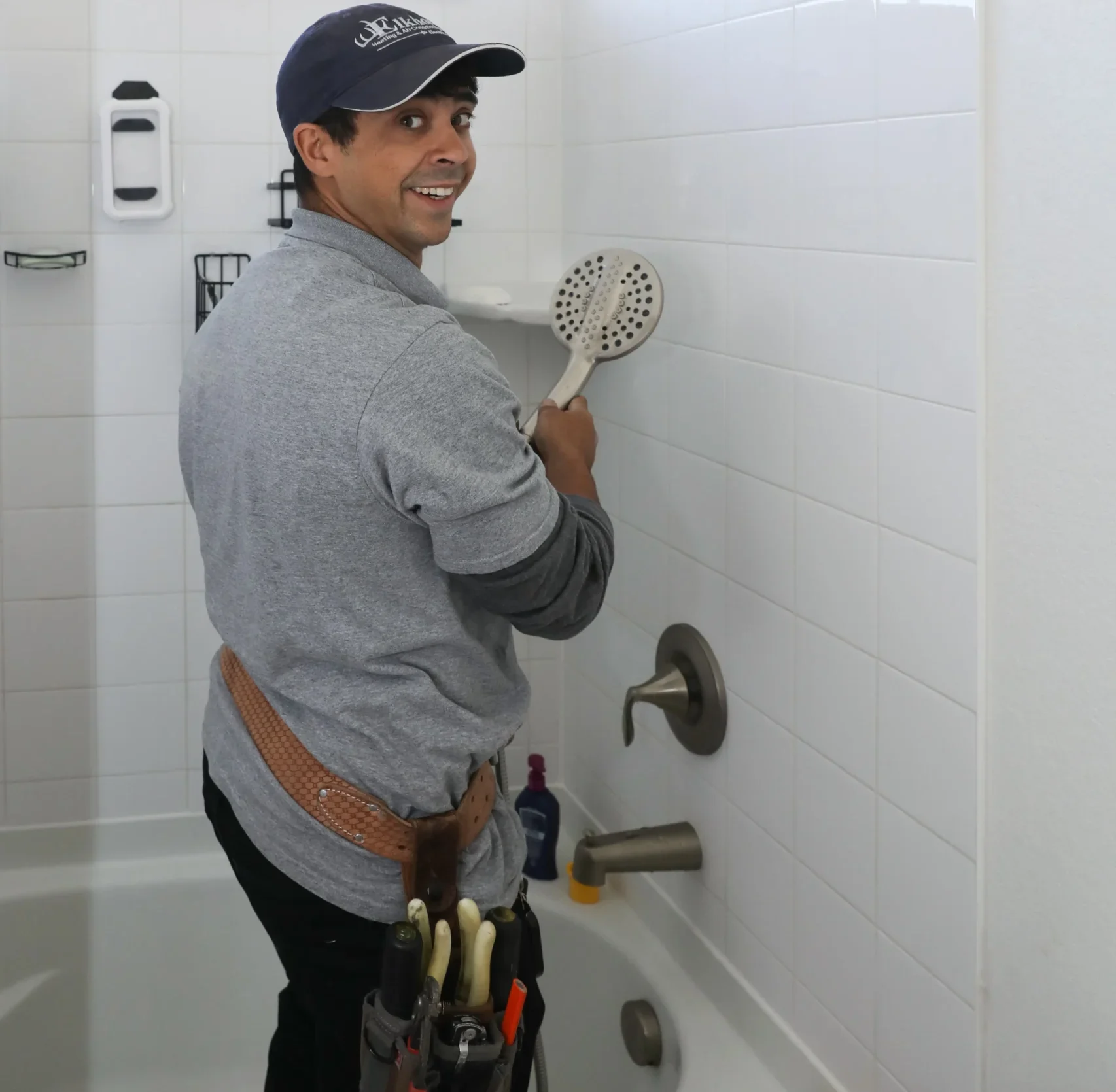
When you’re preparing for a family gathering, nothing strikes panic like an overflowing toilet and sewage on your floorboards. Simple plumbing mistakes in the bathroom can result in significant stress, and trying to fix these problems can quickly become expensive.
Bathrooms are especially tricky because they are a high-use, high-risk plumbing zone. There are many different connections and fixtures in a small area, so it’s essential to make sure everything is set up right. By partnering with Elkhorn Heating, Air Conditioning, Plumbing & Electrical, you can avoid potential plumbing issues.
To help you keep your plumbing systems functioning at their best, we’ve included some of the most frequent plumbing issues, important maintenance practices, and tips from our trusted experts.
Tip #1: Plan the Plumbing Layout Early
As a homeowner, there are a few different ways you can lay out your bathroom plumbing fixtures. Your layout is important because it determines how much your bathroom setup costs. In general, you’ll want to group your plumbing fixtures in one area so that you don’t have to spend as much money on supply piping, waste piping, and venting. Additionally, you’ll want to place your fixtures as close to the hot water tank as possible.
When planning out your plumbing layout, you’ll need to consider three main systems.
- Supply Line Network: With the help of pressure, the supply line brings fresh water into your home. Typically, the supply line is made from cross-linked polyethylene (PEX) or copper.
- Drainage System: While supply lines use pressure to transport water, your drainage system relies on gravity to remove wastewater from your home. To avoid clogs, the drainage lines must be sloped one-quarter of an inch per foot.
- Vents: Venting allows air to enter your sewage system so that vacuums don’t form. If a vacuum forms, it could slow or stop the movement of sewage. If you didn’t have proper venting, pulling the plug on your tub could cause water to be pulled out of all the traps in your home. With venting, you can ensure proper drainage and allow sewage gases to safely escape.
Elkhorn Tip: Before you install anything, have our professional plumbers evaluate your bathroom plumbing. If there is an issue, it’s always easier and cheaper to reposition fixtures before you add tile or cabinets.
Tip #2: Use Proper Rough-In Dimensions and Mounting
A rough-in is the process of placing supply and drain lines before the final installation occurs. It’s basically your final chance to make sure that everything is installed correctly before your walls are sealed up.
If your plumbing systems aren’t installed correctly, the cost of fixing them can quickly add up. Besides ensuring your fixtures are properly aligned with your plumbing lines, proper dimensions are also essential for your project’s code compliance and for avoiding plumbing issues. When the plumbing lines aren’t installed well, it can lead to clogs, leaks, and other problems. By planning out your rough-in dimensions and mounting, you can ensure your plumbing installation lasts as long as possible and avoid unnecessary repairs.
Elkhorn Tip: For the best results, we recommend printing your fixture cut-sheets ahead of time. Then, verify that your plumber has those sheets in hand on the day of the installation. If there are any mismatches between the installation and the cut-sheets, it can lead to issues with your tiles as well as gaps where the fixture and plumbing lines are misaligned.
Tip #3: Choose Quality Fixtures and Proper Connections
To avoid repairs, leaks, and other plumbing problems, it’s important to pick good fixtures for your home. Faucets, toilets, and showers should be chosen with care and connected correctly. Otherwise, your home may experience leaks. Plumbing fixtures can also become corroded. In addition, selecting the right fixtures and installing them correctly makes routine maintenance easier.
As a part of selecting and connecting fixtures, you should make sure to get the correct measurements. For example, you should carefully calculate the toilet drain offset and sink drain height. Then, you can use these measurements to install the fixtures in the correct location.
Elkhorn Tip: At Elkhorn Heating, Air Conditioning, Plumbing & Electrical, we only use the best brands for all of our plumbing installations. During your appointment, we can show you how to inspect water-supply shut-offs, wax rings, and plumbing components to ensure you have a high-quality installation.
Tip #4: Ensure Proper Venting, Traps, and Drain Slope
If your home’s plumbing system isn’t vented properly, you may notice gurgling noises in your pipes. Poor venting can also result in backflow, which is when water pressure drops and wastewater flows backward into the water supply.
How you vent your plumbing system depends on a range of factors. For example, stack venting is effective if you have three or fewer plumbing devices in a small area. If multiple plumbing setups or rooms need to be vented, back venting is an effective option. This style uses different branch vents that link to each fixture, allowing multiple areas to connect to the same stack vent.
If you’re handling a remodeling project, your fixture may be inconveniently far from a wall or another vent. In this case, an air-admittance valve (AAV) may be your best bet. The AAV can respond to the change in pressure when the sink drains. This negative pressure triggers the AAV to bring in extra air, equalizing the pressure. Once the sink stops draining, air is no longer allowed in, and sewage gases are blocked from getting out.
Originally, AAVs were meant to be temporary solutions. Because of how the technology has advanced, they are now commonly used and are an accepted part of modern building codes.
Besides AAVs and more traditional venting, your fixture will also be set up with a P-trap. This is basically a U-shaped piece of pipe that holds water. Because some liquid always remains in the pipe, sewage odors are unable to escape.
Elkhorn Tip: If you’re dealing with a tight remodeling project, we can help. We’ll determine if AAVs, full vent stacks, branch stacks, or other options will work. Our plumbing experts will also make sure your plumbing system has the correct drain slope to prevent drainage problems.
Tip #5: Pay Attention To Pipe Materials and Routing
Your plumbing system will be designed from different materials, such as PEX, PVC, ABS, and copper. The type of material will depend on the purpose, existing structural elements, and other factors.
- Copper: This material is durable and resistant to heat. While it’s a great option for supply lines, it does come at a fairly steep cost.
- PEX: PEX is incredibly flexible and easy to install, so it’s a great option if you need something that can be routed around the structural components of your home.
- PVC and ABS: Both of these materials are known for being lightweight and good at resisting corrosion. Because of this, PVC and ABS are popular options for waste lines and vent systems.
Besides picking the right material, it’s also essential to route it correctly. This means never drilling holes too large or too close together. Pipes should always be routed around studs, beams, and other structural members so that your home’s structural integrity isn’t placed at risk. Additionally, good routing avoids unnecessary bends or intersections that lead to flow issues, vibrations, or leaks.
Elkhorn Tip: Our plumbers will look for potential obstructions and make sure there are no dead-legs that could cause stagnant water. We’ll also make sure your exposed piping is insulated and supported as needed.
Tip #6: Minimize Exposure and Prevent Hard-Water Issues
High-use bathrooms are more prone to wear. This is particularly true in areas that have hard water. Hard water contains a high concentration of minerals, which can build up over time. This can cause the premature breakdown of your plumbing components, so you may be more likely to experience dripping faucets, faulty O-rings, and concealed leaks.
Elkhorn Tip: To prevent future plumbing issues, our team will test your water hardness. If you do have hard water, there are pre-treatment options and water softeners that can help. We’ll also inspect for early signs of corrosion and mineral scale underneath vanities, behind toilets, and in other common problem areas.
Tip #7: Shut-Off Valves and Access Panels Matter
One of the most important parts of your entire plumbing system is the shut-off valve. There should be a main shut-off valve that stops the flow of water to your entire system. Then, each fixture should also have its own shut-off valve.
When a disaster strikes, a few seconds can lead to significant water damage. By having additional shut-off valves available, you can avoid thousands of dollars in repairs.
Elkhorn Tip: When we come out to your home, we’ll always label your shut-offs during our visit. Our plumbers will also make sure that access panels are installed and fully functional. These panels exist so that you can easily reach behind-the-wall valves in an emergency. Through the access panel, we can prevent future destruction when the valve needs to be serviced.
Tip #8: Don’t Forget Secondary Fixtures & Hidden Lines
When your home was originally designed, the plumbers may have planned ahead for future expansions. For example, they may have set up lines for a potential washer, utility sink, or bidet. Because of this, there may be system lines lurking behind your walls that you are unaware of. All of these systems should also be inspected and maintained.
Elkhorn Tip: At Elkhorn Heating, Air Conditioning, Plumbing & Electrical, we thoroughly audit your bathroom and adjoining spaces to spot hidden lines, future toilet hookups, and other pitfalls. By finding these things early, we can help you avoid future expenses.
Tip #9: Test Thoroughly Before Finishing
Before our plumbers leave, we’ll always test your home for potential problems. As a part of the testing process, we recommend filling tanks, running each water line, and double-checking the venting. It’s also important to check for drainage problems and leaks.
This type of testing is key to spotting minor problems before they have a chance to spiral out of control. Additionally, these tests are a good way to see if tile, wallboard, paint, and other finished surfaces are impacted by your plumbing systems. If they are, we will need to fix the problem and update your system.
Elkhorn Tip: When you work with Elkhorn Heating, Air Conditioning, Plumbing & Electrical, you can enjoy superior peace of mind about your results. As a part of our pre-finish inspection, we will test your system’s pressure and drainage flow. We’ll also inspect each component for potential leaks. Thanks to our comprehensive checklist, you don’t have to worry about covering up a faulty component that could lead to future problems.
Tip #10: Schedule Regular Maintenance and Know When To Call a Pro
No matter how good your plumbing installation is, no system lasts forever. To maximize the lifespan of your plumbing system, you need to be consistent about performing routine maintenance. From descaling your pipes to winterizing outdoor faucets, there are a few things you can do to protect your plumbing systems.
- Inspect for potential leaks.
- Monitor for cracks, bulges, and other issues with your plumbing connections.
- If you have a pressure gauge, make sure your home’s pressure stays between 40 and 60 PSI.
- Use strainers in your showers and sinks to prevent hair and debris from causing clogs.
- Descale pipes and fixtures if your home uses hard water.
- Flush your water heater at least once per year.
In addition to performing routine maintenance on your own, you should also schedule professional maintenance at least once per year. This inspection takes just 30 to 45 minutes and is an opportunity to catch problems before they escalate.
Ekhorn Tip: With the help of Elkhorn Heating, Air Conditioning, Plumbing & Electrical, you can easily schedule annual inspections. We also recommend giving us a call if you experience slow drains, inexplicably high water bills, ceiling or wall stains, or the smell of sewage. All of these symptoms indicate a major problem that requires professional repairs.
Get Help With Your Bathroom Plumbing Remodeling Projects
When it comes to bathroom plumbing, you should never just install a fixture and forget about it. Proper care and installation processes necessitate clear planning, proactive testing, and ongoing maintenance. From proper mounting to avoiding hard water issues, a few smart bathroom plumbing tips can ensure your plumbing systems last as long as possible.
Even with the best plumbing maintenance, unexpected disasters can still occur. When this happens, reach out to Elkhorn Heating, Air Conditioning, Plumbing & Electrical for 24/7 emergency support. Thanks to our years of experience, we understand the needs of local homeowners and can deliver superior peace of mind.
Contact us today and learn more about our plumbing services today.
Service Request
Contact
"*" indicates required fields