Why Are AC Vents Sweating? Causes and Fixes
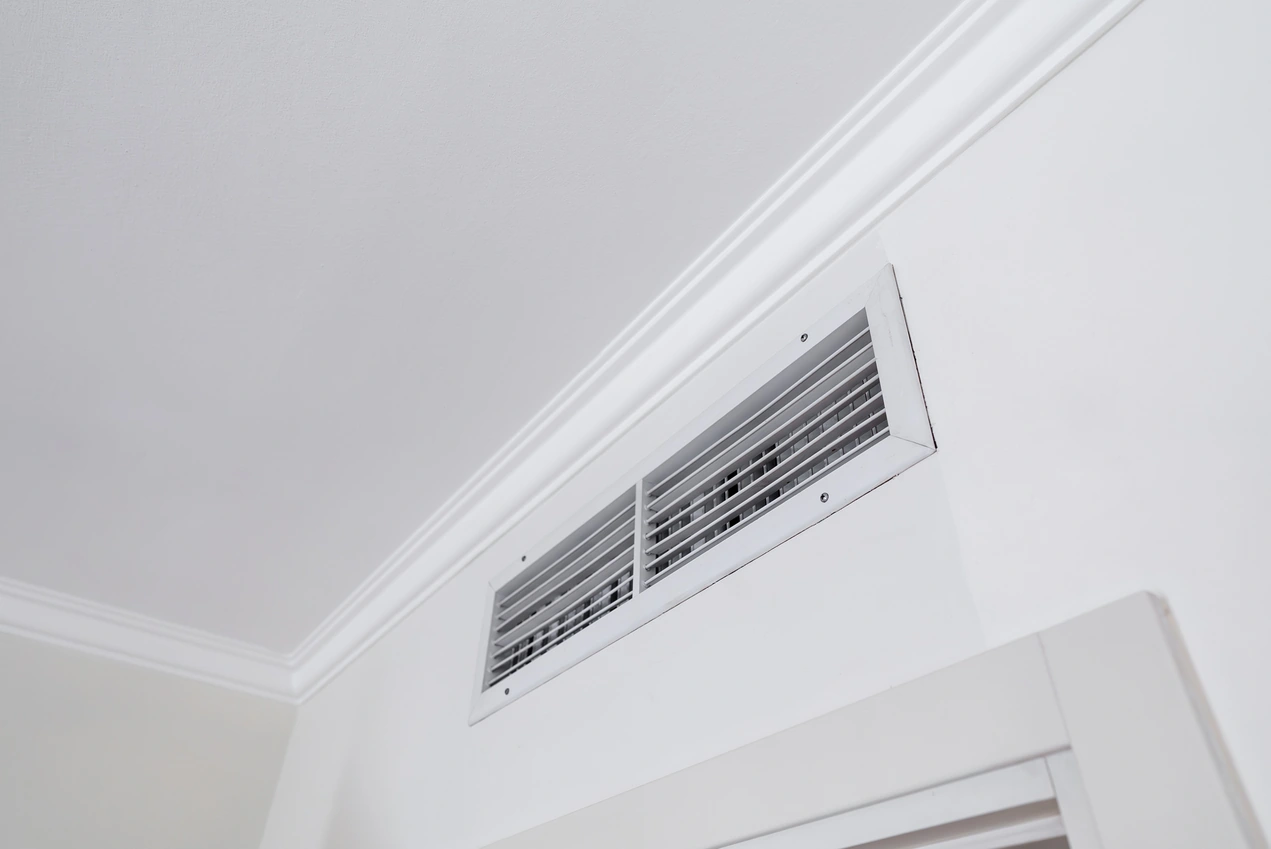
During the winter and fall, you might notice condensation forming on the outside of your window glass. In the summer, the same condensation can be found on your AC vents. While it might not be an immediate emergency, condensation can impact your family’s health and comfort over time.
So, why does condensation form on windows? Will your house grow mold? To learn more about window and AC vents sweating, read on.
Why AC Vents Sweat in the First Place
AC vent sweating occurs when warm, humid air meets a cold surface. In technical terms, it happens when the vent’s surface temperature reaches the dew point. The dew point is the temperature at which air becomes saturated and water vapor begins condensing into liquid.
While an unusually humid day can result in this symptom happening, there are other causes of vent sweating that are more concerning. Because of this, it’s a good idea to schedule a professional HVAC appointment if you have water dripping from your AC vents.
Signs Your AC Vents May Have a Bigger Problem
If you notice the following symptoms, you should reach out to a trusted local HVAC company for help right away.
- Pooling water near your AC unit
- Sagging, wet drywall
- Moldy or musty odors
- Mold and mildew growth
- An unexplainable rise in energy costs
It only takes a couple of days for water to cause mold and mildew growth. Left untreated, HVAC humidity problems can negatively impact your family’s respiratory health and trigger allergy symptoms. Besides leading to HVAC system failure, pooling water and high humidity can damage your wooden floors, cabinets, paint, and drywall.
Common Causes of Sweating AC Vents
Why does condensation form on windows and AC vents? In most cases, there are five main AC vent condensation causes that may be responsible.
- High Indoor Humidity: If your relative humidity (RH) is higher than 55% to 60%, it can cause AC vent sweating.
- Poorly Sealed Ducts: When your ductwork has air leaks, the hot, humid air around the duct can get inside it and cause sweating.
- Bad Duct Insulation: If your duct insulation is damaged or old, it can cause sweating along the stretches of ductwork that run through hot, humid attics and crawlspaces.
- Poor Airflow: When your HVAC system has a clogged filter or obstructed registers, it can cause less air to come out of your vents. Restricted airflow can cause vent surfaces to become excessively cold, increasing condensation.
- Oversized AC Units: Normally, the AC removes moisture from the air while it cools. If the AC is oversized, it will reach the appropriate temperature and shut off before the humidity level has dropped enough.
Troubleshooting Steps Homeowners Can Try
From AC airflow issues to poor duct insulation, multiple problems can cause AC vent sweating. While more complex issues should be left to the professionals, there are a few basic solutions you can try on your own.
- Filter Change: Replace the air filter to improve the airflow in your home.
- Temperature Adjustment: A warmer indoor air temperature in the summer can reduce the likelihood of vent sweating.
- Drain Line Cleaning: Clogged condensate drain lines can cause pooling water and a full drain pan, which can increase the humidity in your home.
- Insulation Upgrades: If you can access your attic or crawlspace, you can inspect the insulation around your ducts to verify that it is in place and undamaged.
- Humidity Reduction: Homes that have a dehumidifier can adjust their desired humidity level to prevent AC sweating.
When To Call an HVAC Professional
If your troubleshooting for sweat air vents and leaking water doesn’t work, you should always reach out to a professional for help. We also recommend scheduling HVAC repairs as soon as you notice the following symptoms.
- Pooling around your AC unit
- Mold and mildew growth
- Unusual sounds or smells
- Airflow issues
- A decline in performance
- Suspected low refrigerant levels
- Mechanical issues
For the safety of your home and family, you should never try to address mechanical, electrical, or refrigerant problems on your own.
How Professionals Fix Sweating AC Vents
Once you reach out to our team for AC vent and ductwork condensation issues solutions, we will fully inspect your system to diagnose the source of the problem. Then, we can seal duct leaks, improve airflow, clear your condensate drain line, and upgrade damaged duct insulation.
Sometimes, the cause is an oversized AC. To troubleshoot this problem, our team will perform a Manual J calculation and determine the appropriate AC size for your home.
Some homes and regions are more humid. In these instances, the best option may be to install a whole-home dehumidifier. Once your home’s RH is lowered, vent sweating should decrease.
How To Prevent AC Vent Condensation in the Future
As a homeowner, there are a few steps you can take to prevent the humidity and AC airflow issues that lead to vent condensation.
- Change your air filter every 30 to 90 days to ensure proper airflow.
- Seal the metal vent boot that connects your vent to the drywall. Fiberglass insulation can help reduce condensation by limiting contact between warm humid air and cold vent surfaces.
- Fix or replace your ductwork insulation.
- Keep your indoor humidity lower.
- Turn on exhaust fans in your bathroom and kitchen to vent steam from cooking and showering.
- Raise your temperature settings so that your home doesn’t get as cold.
Why Homeowners Trust Elkhorn Heating, Air Conditioning, Plumbing, & Electrical
Over the years, Elkhorn has developed a reputation as the area’s trusted source of HVAC expertise. Local residents turn to us for a few key reasons.
- Customer Education: We walk you through each step of the process, so there are never any hidden surprises.
- Same-Day Services: When an unexpected breakdown occurs, you need the peace of mind that comes with having HVAC technicians readily available.
- Problem Solvers: Our team won’t rest until we’ve found the best solution for your HVAC problems.
- Trusted Advisors: Local residents trust us to provide relevant, honest advice about their problems.
- Customers for Life: We prioritize your comfort and satisfaction because our goal is to build customers for life.
Schedule an HVAC Inspection Today
If you’ve been trying to find the answer to “Why does condensation form on windows?”, we can help. Our team can review any condensation on air vents and windows to diagnose the cause. Then, we can recommend the best repairs, IAQ upgrades, or maintenance for your situation.
Book your next HVAC inspection today.
Frequently Asked Questions About Sweating AC Vents
Why are my AC vents sweating?
AC vent sweating occurs when the temperature of the vent reaches the dew point. At this point, the water vapor in the air condenses around the cold vent.
Is condensation on AC vents normal?
While it is a fairly common issue, it is not something that should be happening. This problem often occurs if you have excessively high indoor humidity, poor airflow, damaged duct insulation, or a clogged condensate drain. All of these causes should be investigated and addressed to prevent mold growth and pest infestations.
Can sweating vents cause mold?
Absolutely. RH levels above 70% for extended periods can significantly increase the risk of mold growth.
How do I stop my air vents from sweating?
You have to determine the underlying cause of the sweaty vents. One of our HVAC technicians can test your IAQ to determine if there are any humidity-related issues. We can also clear your condensate drain line, improve your airflow, and fix damaged duct insulation.
Can high humidity make vents sweat?
Yes, it can. High humidity levels are one of the leading causes of vent sweating. If this is the cause of the condensation, we can install a whole-home dehumidifier to adjust your RH.
Should I worry about water dripping from vents?
You should always schedule an HVAC repair appointment if there is water dripping from your vents. Any water or humidity can contribute to pest problems and cause mold to grow. Because of this, the underlying cause needs to be addressed and resolved promptly.
Service Request
Contact
"*" indicates required fields