Whole-House Humidifier Not Working? Why Your Home Still Feels Dry
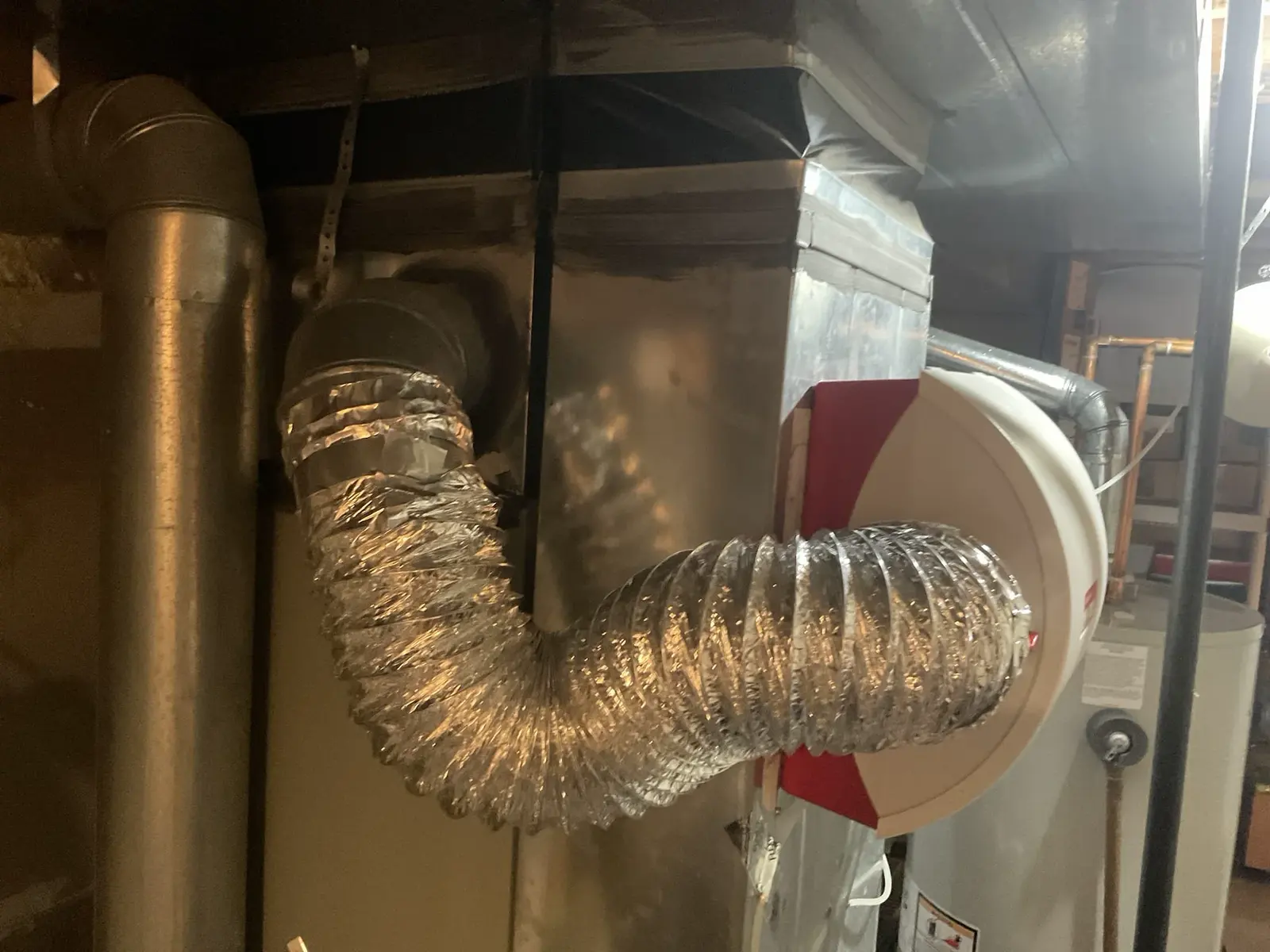
If your whole-house humidifier is not working, you may notice the inside of your home feels unusually dry. However, a dry feeling alone does not mean the humidity is off. By understanding common humidifier issues and how to detect them, you can figure out when a problem can be resolved yourself and when you should reach out to Elkhorn Heating, Air Conditioning, Plumbing & Electrical for professional help.
Quick Answer: When Humidity Does Not Improve
If the furnace humidifier is not adding moisture, it may be due to the settings, problems with the water delivery, or insufficient airflow. Consumable and control issues can also be a problem. For instance, the water pad can become calcified by hard water and stop absorbing water. Similarly, your humidity levels may be affected if your home loses moisture faster than a unit can add it or if your humidifier has problems with its water delivery.
To help you diagnose why your home’s humidity is not improving, we’ll look at common issues, troubleshooting tips you can use, and when to call for service. Unless otherwise specified, we will only be addressing whole-home humidifiers in this article.
Confirm What the System Is Being Asked To Do
As a homeowner, the first step is determining what your system is being asked to do. If the setpoint, humidity, or comfort settings are incorrect, this could be the reason for the issue. Once you confirm the settings, you can use manual readings to determine if the system is reaching the ideal humidity level.
It’s also important to note that the way the humidifier works will depend on whether it is an evaporative bypass/fan-powered humidifier versus a steam system. With evaporative models, the furnace’s air is passed over a pad that contains moisture. The warm air causes the moisture to evaporate, increasing the humidity of the air as it flows into your home.
Meanwhile, a steam system is one in which the humidifier creates actual steam by boiling water. Because of this, the furnace does not have to call for heat for the steam-based humidifier to function. It only needs airflow from the blower fan. In comparison, many evaporative humidifiers require the furnace to be calling for heat in order to increase your home’s relative humidity (RH) level, although some models can operate without a heating call.
Finally, you should check outdoor conditions and note whether they have changed. If the outdoor environment is more humid, the whole-house humidifier may not turn on. Similarly, warmer air temperatures may keep the furnace from turning on, which can impact the functioning of an evaporative humidifier.
Common Causes of Weak or Missing Moisture Delivery
If your furnace humidifier is not adding moisture to the air, there are a few common reasons why. While you can narrow down the likely cause by looking for common clues, additional tests are generally needed to verify the issue before repairs can be performed.
Controls Left Off After the Summer
Sometimes, the problem is as simple as the controls being left off. If this is the case, you’ll notice that the humidistat display is blank or set to “Off” if you check your wall humidistat or smart thermostat. In this situation, all you need to do to fix the problem is turn the humidistat on and adjust your humidity settings.
Seasonal Bypass Position (Where Applicable)
On bypass humidifiers, the damper may be in the “Summer” or “Closed” position instead of the “Winter” or “Open” position. When this is the underlying cause, you may notice that the air is blowing and the water is flowing, but your humidity levels remain the same. Our heating, ventilation, and air conditioning (HVAC) technicians can check your dampers to ensure they are working properly and repair the damper motor or other components as needed.
Restricted Supply or a Solenoid Issue
You may notice that the water pad or drain line remains dry. Additionally, you may not hear a clicking noise when the unit should switch on. If these symptoms occur, the likely issue is a problem with your water supply or solenoid. You can verify whether this is the issue by listening for the flow of water when the furnace is on. The saddle valve or dedicated shutoff valve that feeds the unit should also be fully open. Depending on the cause, our team may need to fix clogged drain lines, replace the solenoid valve, or perform other repairs.
Scaled or Worn Water Panels
If you live in an area with hard water, scale buildup can occur. You’ll likely notice a white, chalky buildup on the evaporator pad, and water will run straight into the drain without getting soaked up at all. This is something that is checked and fixed during routine maintenance appointments, so you can schedule a heating tune-up to have it diagnosed and repaired.
Airflow and Configuration Issues
In an evaporative humidifier, sufficient airflow is necessary for water vapor to reach your home, although the operating requirements depend on the model and configuration. Meanwhile, steam-based models require the blower motor to push water vapor into the home. If there is a problem with the airflow, the humidity won’t reach your rooms. Any airflow or configuration problem must be addressed by a professional technician.
Sensor Faults
When a sensor fails, your system may read a humidity level that is inaccurate for the inside of your home. For example, it may read a 65% RH when your home’s air is extremely dry. With a digital hygrometer, you can check to see if the humidistat is not working. If it is not, you’ll need to call a technician to have the controls or sensor fixed.
Issues That Affect Steam Models
On steam models, there are specific issues that occur. Canister condition and drain faults can lead to humidity issues. For instance, mineral buildup in the canister can coat the internal electrodes and reduce steam output. Meanwhile, a clogged fill cup or malfunctioning drain valve can cause the humidifier not to work properly.
It’s important to note that steam models often have service indicator lights. These will often blink when maintenance is needed, so they don’t necessarily mean that there is an actual issue with the unit. If you note any error codes or blinking lights, you should call our team for a maintenance appointment.
Problems That Aren’t Related to the Humidifier
There are additional problems that aren’t related to your humidifier at all. For example, air leakage can allow humid, conditioned air to escape. Your home’s ventilation load and sizing also play a role in how effective your humidifier can be. Similarly, a limited furnace operation time for evaporative models can impede the humidifier’s efforts.
Safe Observations You Can Make Before a Service Call
If your whole-house humidifier is not working, there are a few basic steps you can take on your own before you call for help.
- Check the Settings: First, read the user display. As needed, adjust the mode and setpoint. If there is a visible service indicator, call our team for help.
- Read the Owner Manual: The owner manual includes information on common symptoms and how to troubleshoot them. It can also help you determine when a problem can be handled on your own and when it requires an HVAC technician’s help.
- Note Symptoms: Without dismantling anything, record whether the furnace is heating the home or the blower fan is operating. When you reach out to the HVAC technician, relaying this information can help you narrow down the potential issue involved.
- Replace Consumables: If you need to replace a consumable, like a water pad, follow the directions in your model manual for safely shutting off the power, isolating the water supply, and replacing the consumable.
Important Safety Note: For your safety, you should never bypass interlocks, probe water lines, or test live solenoid wiring. Do not open a hot steam unit. Additionally, never raise the humidity setting indefinitely if condensation is building up on your windows.
What Professional Troubleshooting Should Establish
If you are unable to resolve the issue on your own, you can reach out to Elkhorn for whole-home humidifier troubleshooting in Denver. Our team will go through the following steps to determine the source of the problem.
First, our team will check to see if your unit is calling for humidity, sensing the RH correctly, and producing adequate airflow. We will inspect your evaporation or steam output, water delivery, and drain operation as applicable. The goal is to see if your home’s expected output matches the amount of humidity that is actually produced, and where the difference is.
We recommend always calling for help if your whole-house humidifier has no water, consistently underperforms, or shows an error code. If there is an active leak or an electrical odor present, you should immediately stop using it if it is safe to do so. Then, seek help right away. Never reach across wet electrical equipment.
How we resolve the humidifier issue depends on the cause. While repairs are sometimes necessary, we may be able to fix the issue by simply adjusting your settings or configuration. Alternatively, the fix may involve something basic, such as replacing the water pad or repairing a leaky connection on your humidifier tubing.
Maintain Comfort Without Over-Humidifying
While dry air can be uncomfortable, excessively humid air is also a comfort issue for Colorado homeowners. You can check your humidifier levels through the humidistat or smart thermostat. Many people feel comfortable with an RH of 30% to 50%, but your personal comfort preferences will sway which RH is right for your home.
Besides checking the humidistat, there are other ways to tell if your humidity levels are too high. When there is too much moisture in the air, condensation can occur on the windows. In extreme conditions, you may even notice a musty odor or signs of mold growth.
Each manufacturer has different rules about humidifier maintenance. For instance, the AprilAire HydroCore is supposed to be changed each season. To keep your home as comfortable as possible, you should check the equipment manual to determine when consumables need to be changed and which seasonal checks should be performed. By scheduling a furnace tune-up each fall, you can make sure your humidifier is ready for wintertime demand.
Frequently Asked Questions
Why is no water entering my humidifier?
If there is no water entering your humidifier, it could be due to a lack of demand, control issues, or the supply being shut off. To determine the reason, start by confirming the model. Then, use the manual to check the operating conditions before assuming that the valve is bad.
Should the humidifier run whenever the furnace runs?
Not necessarily. Your humidifier is designed to add humidity to your home when the air is dry. If humidity isn’t needed, the humidifier doesn’t have to run. Additionally, your system’s configuration and controls will influence when the humidifier turns on.
Why is humidity still low when the humidifier runs?
If a humidifier is not raising the humidity level in your home, it may be due to the unit’s output or runtime. Leakage and the measurement location can determine whether your home’s humidity reaches the appropriate level or not. Because your home and the humidifier can influence the RH, it’s essential to assess the unit and the home at the same time.
Should I turn the humidity up if the windows are wet?
No. Condensation occurs when there is enough water vapor present in the air to condense onto cold surfaces. Increasing the humidity target will only raise the likelihood of condensation occurring. Instead, you should review your system’s settings and home conditions.
Take the Next Step With Elkhorn
Is your whole-house humidifier not working? Our Comfort Specialists are here to help residents throughout the Denver and Littleton area. We offer same-day service, upfront pricing, and no hidden fees, so you can get the prompt, reliable support you need.
Our technicians will evaluate your setup, test your air quality, and walk you through our recommendation with no pressure. Reach out to schedule your next HVAC appointment with us.
Service Request
Contact
"*" indicates required fields