Denver’s 2026 Drought: Indoor Plumbing Upgrades That Reduce Water Use
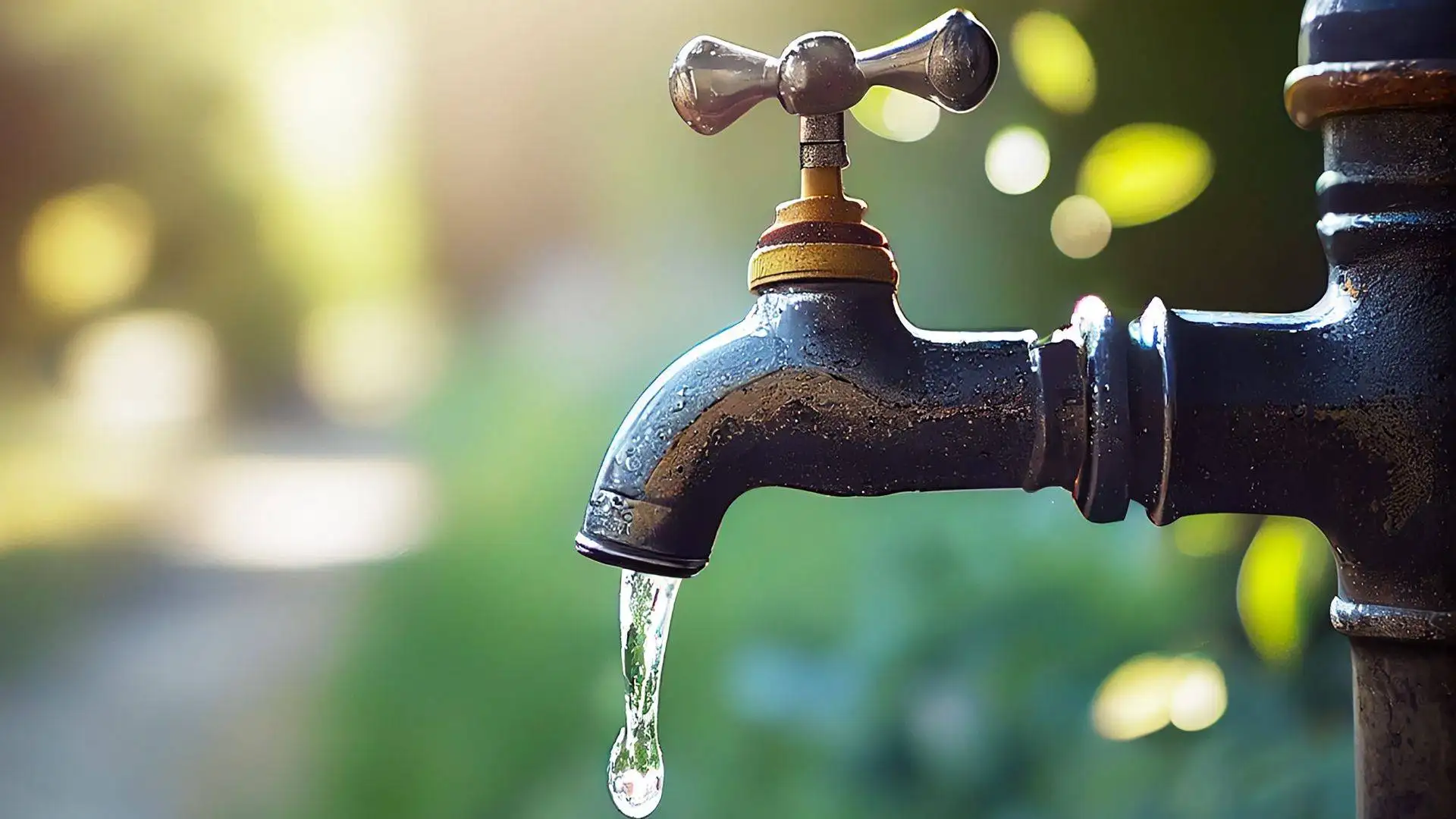
According to the United States Drought Monitor, 4.7 million Colorado residents are in a drought that covers 91% of the state. In response, the Denver Board of Water Commissioners declared a Stage 1 drought. While outdoor watering rules are in the headlines, indoor water waste is just as important. Leaky pipes, outdated equipment, and inefficient fixtures can all add up over time.
As a homeowner, you can take advantage of a few indoor plumbing upgrades to reduce your water use in Denver. For a full water-efficiency evaluation or installation help, you can turn to Elkhorn Heating, Air Conditioning, Plumbing & Electrical for help.
Start With Leaks Before Replacing Fixtures
Many sources of wasted water likely lurk inside your cupboards and walls. A leaky faucet’s water waste can quickly add up. According to the United States Geological Survey, a single faucet dripping once a second can waste 2,083 gallons of water per year. You can also lose water because of a constantly running toilet, worn shutoff valves, under-sink moisture, and loose supply lines.
Small drips over time can add up to a significant amount of water wasted. Additionally, they can lead to more expensive repairs and water damage if they aren’t addressed promptly. By repairing your faucets, fixtures, and pipes, you can save on costs over time and lower your water consumption.
Upgrade High-Use Fixtures First
When deciding on which indoor plumbing upgrades to reduce water use in Denver, it helps to start with your high-use fixtures. Because these fixtures use the most water, a leak or inefficiency will add up more significantly. You will want to update your most frequently used fixtures, such as your bathroom faucets, showerheads, kitchen faucets, and laundry-area plumbing, first.
In many older homes in Denver and Littleton, the fixtures predate efficiency expectations. As part of your Denver drought plumbing upgrades, you’ll generally want to upgrade with low-flow or WaterSense fixtures.
Low-Flow Fixtures
A low-flow fixture is basically a plumbing component that uses significantly less water than the standard model. You often see this type of option with toilets or showers. For showers, the aerator often mixes air into the stream so that the stream feels full without having as much water. Alternatively, precision nozzles use high pressure to make the flow feel full.
In comparison, low-flow toilets can use either gravity- or pressure-based systems. A gravity-driven system will use the weight of the water and gravity to flush. With a pressure-assisted system, compressed air is used to powerfully push water into the toilet bowl.
WaterSense-Style Fixtures
WaterSense is a designation from the United States Environmental Protection Agency (EPA) that helps consumers know which products are more efficient. In order to be a part of this program, the product must use at least 20% less water than the federal baseline for its category.
No matter what type of low-flow or WaterSense fixture you use, it’s important to find one that fits your family’s needs. A good fixture should be able to reduce waste without making showers or sinks frustrating to use.
Water Heater Choices That Support Efficient Routines
If you’re trying to figure out how to reduce indoor water use, you may also want to consider your water heater installation. With a traditional water heater, water is wasted while you wait for hot water to leave the hot water tank and travel to the fixture. This wait time can add up if your fixture is especially far from your hot water tank.
To save money on energy costs and water consumption, you could upgrade your home with a tankless water heater. Tankless water heaters heat up water as you need it. If they are installed in or near your bathroom, you do not have to waste water by waiting for your shower to warm up. Because of their size, a bathroom placement is often easier to accommodate.
While tankless water heater water savings can be significant, this option isn’t right for everyone. Its flow rate can only handle so much consumption at a time. If you have an especially large home with many people using water at once, a traditional water heater may be your best option.
Plumbing Remodels as a Conservation Opportunity
If you’ve been considering a bathroom remodel, it’s a good idea to consider low-flow plumbing upgrades in Littleton. For example, updated valves, fixtures, shutoffs, supply lines, shower installations, and drains can help you reduce your home’s water consumption. Toilets use nearly 30% of an average home’s water consumption, with old toilets using as much as 6 gallons per flush. WaterSense-labeled toilets can lower the amount used by your toilet by as much as 20% to 60%.
To make your upgrade easier, we recommend considering water-saving plumbing fixtures in Denver at the start of the renovation process. This is especially important if you have an older home that still has its original fixtures. Our team can evaluate your current bathroom plumbing and help you determine which fixtures should be updated.
What Homeowners Can Check This Week
While plumbing renovations are exciting to plan, you won’t be able to completely update your home’s system right away. In the meantime, there are a few plumbing issues you can check this week that can make a difference in your consumption habits.
- Water Bill: Start by checking your water bill for unusual usage changes. Unexplained increases in water use can help homeowners identify minor, ongoing leaks.
- Running Toilets: Listen for the sound of the toilet running after flushing. Additionally, immediately call for repairs if you hear the sound of running water when your fixtures are off because this is a common indication of a leak.
- Damp Spots: Check around the water heater and underneath the sinks for damp spots that mean water is escaping.
- Showerheads and Faucets: See if your old showerheads and faucets are suffering from mineral buildup. Note if they have shutoff issues.
- Consumption Patterns: Figure out which of your fixtures are used the most. When you schedule an estimate, you’ll want to prioritize these fixtures.
When To Call Elkhorn
If you notice any of the following symptoms, you should reach out for help right away.
- There are active leaks.
- Your home has repeated fixture problems.
- You notice low water pressure after you change a fixture.
- There are water heater-related issues.
- You are planning a future remodeling project.
- You have an older shutoff valve.
At Elkhorn Heating, Air Conditioning, Plumbing & Electrical, we offer same-day services, upfront pricing, and no hidden fees. We’re committed to delivering exceptional service, which is why we offer a money-back guarantee. For larger plumbing projects and remodeling upgrades, you can also access convenient financing options.
Frequently Asked Questions
Do indoor plumbing upgrades help during Denver’s drought?
Yes, they do. When dealing with Denver water restrictions in 2026, homeowners can do more than just limit their outdoor watering. Fixing leaks and updating high-use fixtures can have a major impact on indoor waste. Even when the drought is over, these upgrades can support better long-term habits and lower water consumption.
Which plumbing upgrades save the most water?
When improving your water consumption habits, it’s important to start with repairing leaks. Then, move on to the fixtures you use every day, such as your toilets, showerheads, bathroom faucets, kitchen faucets, and utility room plumbing. Older fixtures are also more likely to have water-efficiency issues, so it’s a good idea to get these evaluated for a potential replacement.
Should I replace my water heater to save water?
Not necessarily. There is a balance of comfort, convenience, and efficiency that varies based on your household size and routines. Before you make the decision to replace your water heater, we’ll review your equipment age, hot-water wait times, and fixture layout. Then, we can use this information to help you decide whether to replace your traditional water heater, perform repairs, or invest in a tankless option.
Can Elkhorn Heating, Air Conditioning, Plumbing & Electrical help with low-flow fixture installation?
Absolutely. Our team can evaluate your existing system. We can repair and install all types of shower plumbing, faucets, fixtures, pipes, and bathroom plumbing. Plus, our Whole Home Comfort Plan makes planning future plumbing inspections easy.
Optimize Your Home’s Energy Efficiency
If the 2026 drought has you searching for indoor plumbing upgrades to reduce water use in Denver, Elkhorn Heating, Air Conditioning, Plumbing & Electrical can help. Our team can inspect your home for leaks. Then, we can evaluate which fixtures, water heaters, and plumbing upgrade options you may need. Through our upfront pricing, you’ll always know exactly what to expect.
Ask our team about which indoor plumbing upgrades are right for your Denver or Littleton home.
Service Request
Contact
"*" indicates required fields