Author: Jessie Ryan Sy

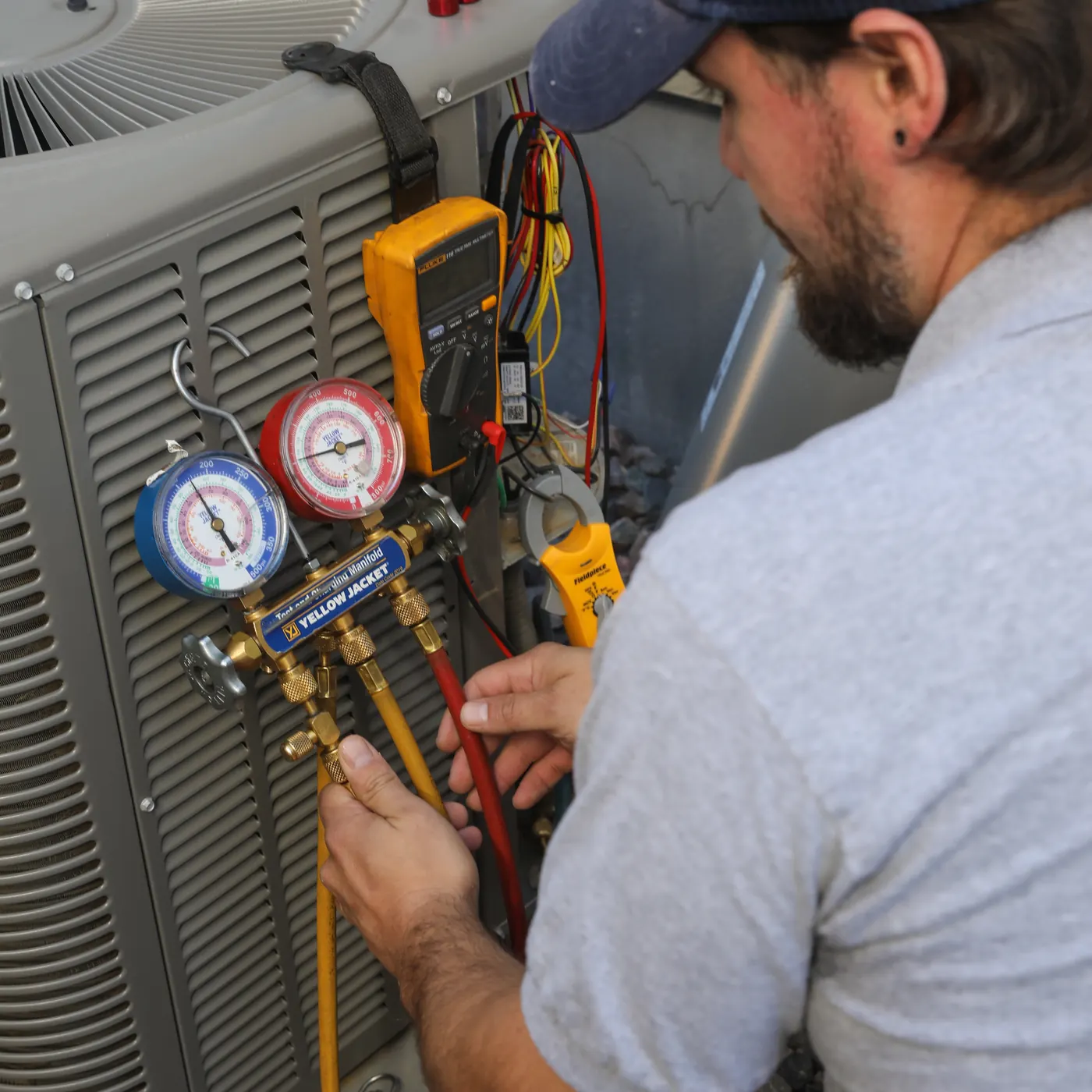
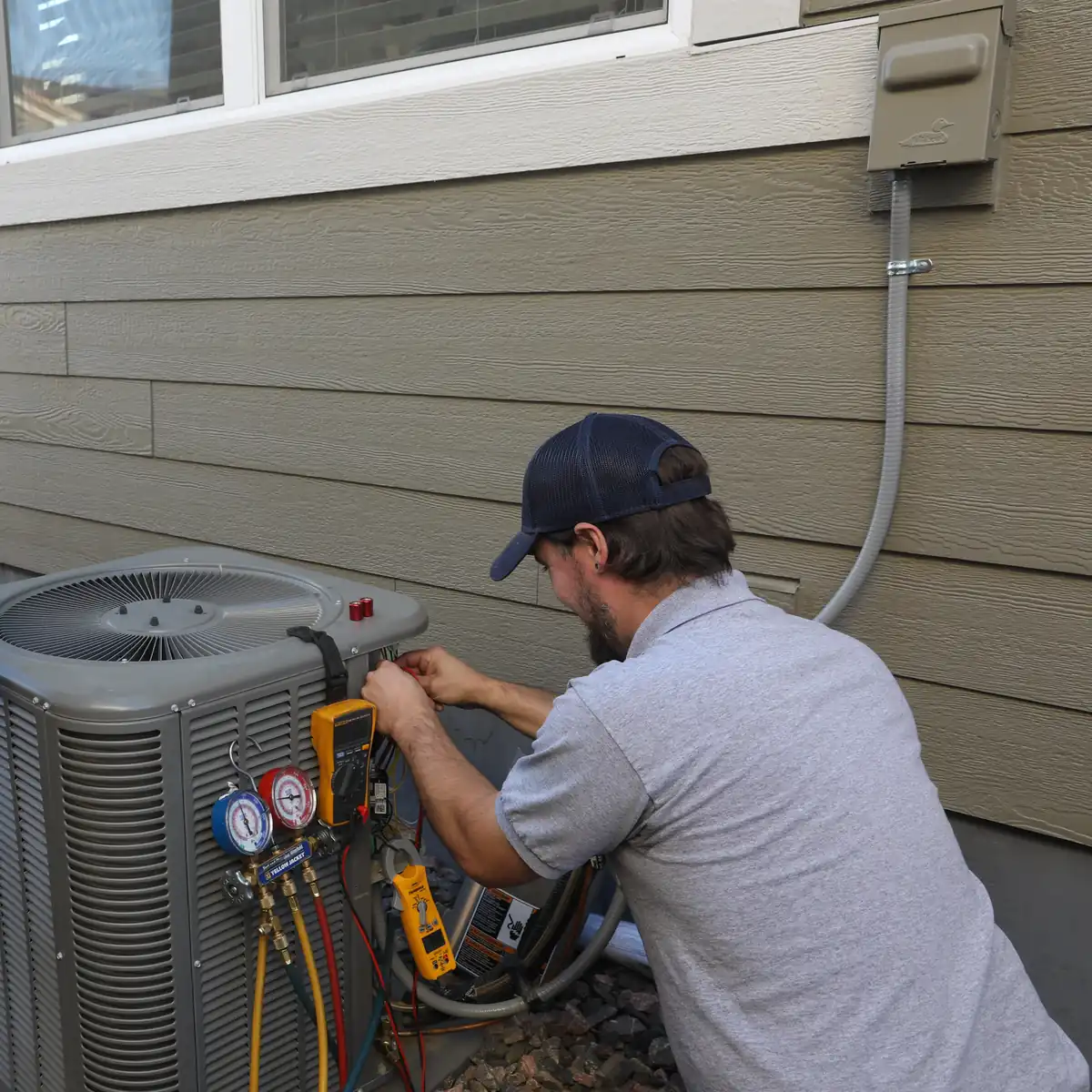
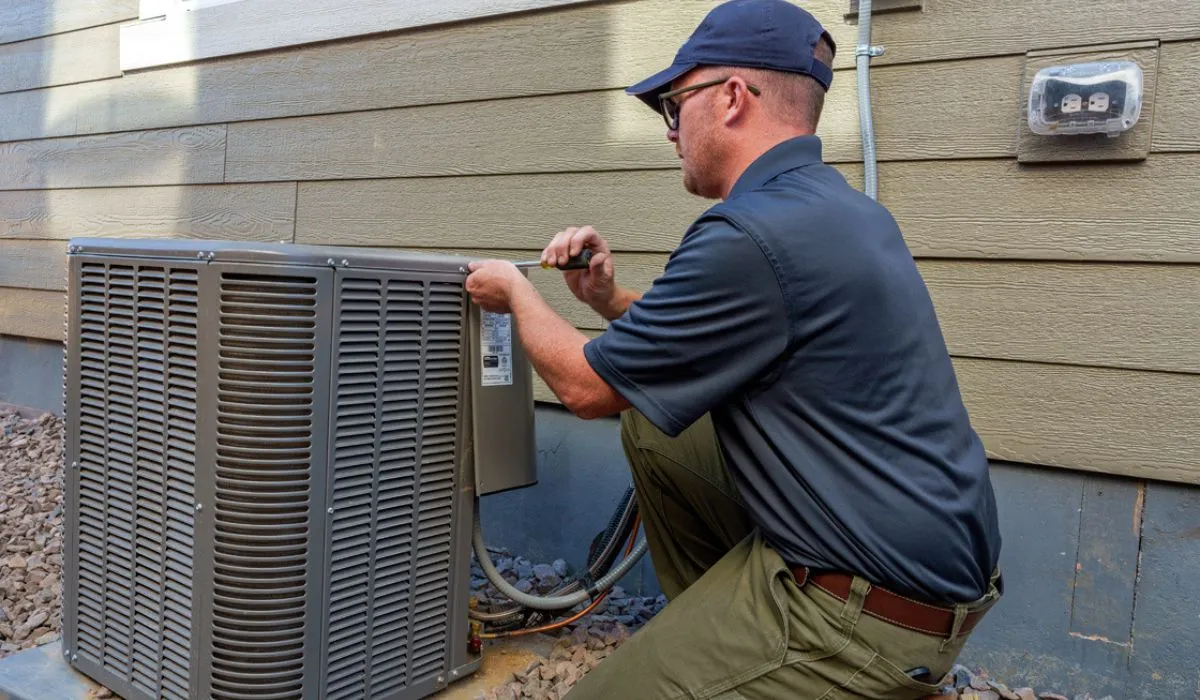
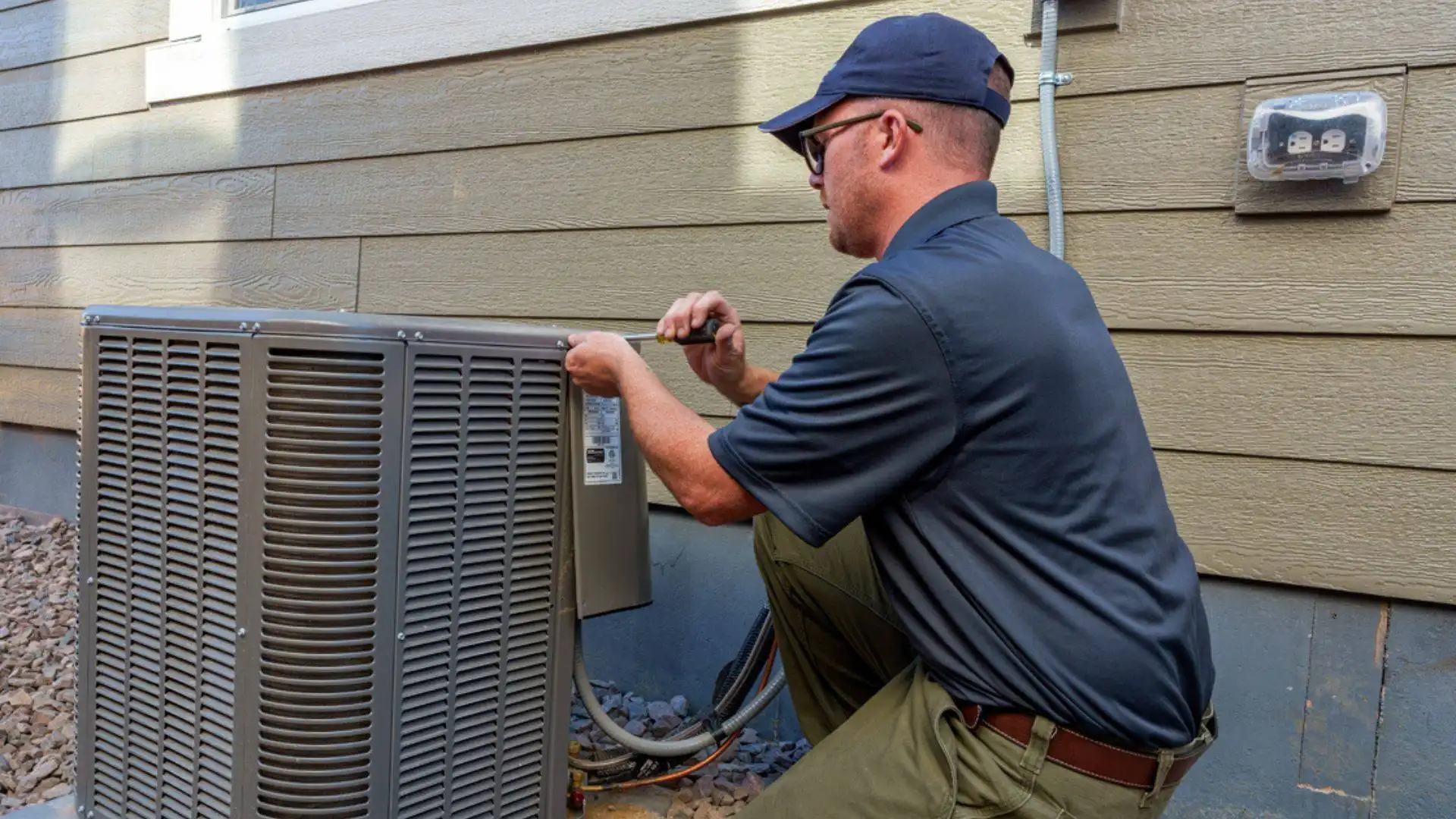
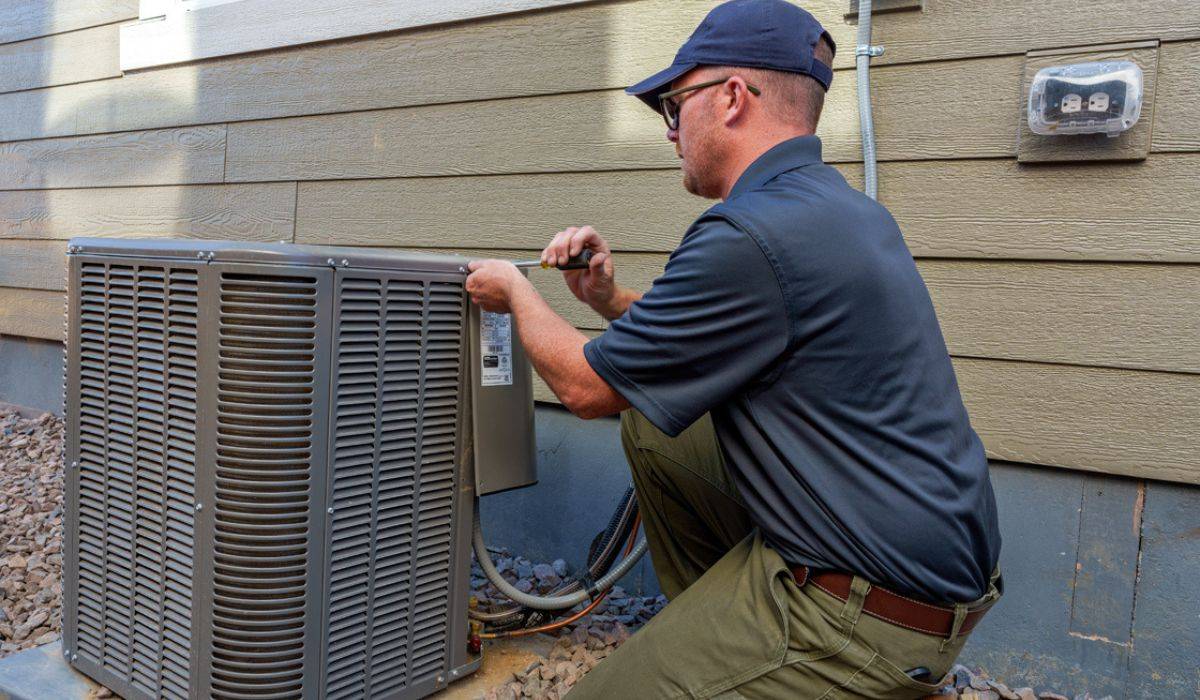
Technician servicing a cooling system in Denver home.

Can Hail Damage Your Outdoor AC Unit? A Post-Storm Inspection Guide

When wind, hail, and thunderstorm season arrives in Denver and Littleton, the resulting hail dents and condenser damage can quickly impact your unit’s performance. During a heating, ventilation, and air conditioning (HVAC) inspection, Elkhorn Heating, Air Conditioning, Plumbing & Electrical can diagnose damage and help you determine the best course of action.

So, can hail damage outdoor AC units? To learn more, read on.

Quick Answer: Yes, Hail Can Damage an Outdoor AC Unit

Hailstorms are known for denting condenser fins, damaging coil surfaces, bending fan guards, and loosening panels. Leaves and other storm debris can also clog your outdoor unit, reducing its efficiency and leading to eventual repairs.

While cosmetic dents may mar the appearance of your unit, they aren’t the same thing as performance-affecting damage. A full HVAC inspection is important to determine whether your unit is safe to run or requires further service.

What Parts Are Most Exposed During a Storm?

Hail damage to an AC unit in Denver is largely going to occur in areas that are exposed. Often, bent condenser fins and coil damage are the most obvious sources. Part of your air conditioner storm damage may also involve the fan guard, top grille, fasteners, and cabinet panels.

Any electrical disconnects, control components, or exposed wiring near the unit can end up getting loosened or damaged by the storm. Refrigerant line insulation can be harmed by hail. Depending on where the hail hits and how, it may cause erosion, pooling water, shifting of the condenser pad, or drainage problems

Safe Post-Storm Inspection Checklist

Should I run my AC after hailstorms? Before your AC is safe to use, it’s a good idea to complete the following checklist.

  1. Before you do anything, wait until the storm has passed. Do not inspect your outdoor unit until conditions are safe to do so.
  2. Then, inspect for obvious dents. Pay attention to any flattened fins, loose panels, or debris. If the hail blocked the unit’s airflow in any way, you’ll need to schedule repairs before using your unit.
  3. See if hail, leaves, branches, mulch, or any other debris are packed around the condenser.
  4. Listen for unusual noises during startup, such as rattling, buzzing, or scraping sounds.
  5. Note whether cooling performance appears to be affected by the storm.
  6. For your safety and the safety of your AC, never touch wet electrical components, open panels, or push tools into the coil fins.

If you aren’t sure whether hail damaged condenser fins or other components, it’s better to play it safe and get a professional inspection before using your AC again.

Signs Hail Damage May Be Affecting AC Performance

After conducting your outdoor AC unit’s post-storm inspection, pay attention to how your AC continues to operate. If the hail has caused damage, you’ll likely notice some of the following signs.

  • The AC seems to run longer than normal.
  • You notice loud rattling or scraping noises coming from the outdoor fan.
  • The AC struggles to cool your home.
  • Your outdoor unit won’t start. 
  • The breaker trips frequently. 
  • Your AC short cycles, which means it turns on and off more frequently than normal.
  • There are flattened fins or debris blocking airflow through your outdoor unit.
  • You see that hail damaged the cabinet or the line-set insulation.

Reduced airflow isn’t just a cosmetic issue. When airflow around the outdoor unit drops, it affects the condenser coil’s ability to release heat. In turn, this forces your compressor to run for longer than it normally does. Eventually, the added workload can cause the compressor to overheat or break down.

What Elkhorn Heating, Air Conditioning, Plumbing & Electrical Checks During a Post-Storm AC Visit

Once you reach out to our team, we’ll quickly schedule an AC visit to inspect your unit. We’ll start by looking at your outdoor unit to verify the coil condition, fan operation, and cabinet damage. Our Comfort Specialists will test your system performance, check the unit’s electrical safety, and look for issues with your refrigerant line.

After checking your unit for signs of damage, we can determine if you need a basic cleaning, minor repair, or component replacement. If your unit has sustained significant damage and is already approaching the end of its lifespan, we can discuss whether an AC replacement is necessary. 

No matter what the recommendation is, we’re committed to delivering same-day services, upfront pricing, and no hidden fees. Our Comfort Specialists will clearly walk you through the recommended repairs, so you can make a no-pressure decision about what to do next.

Repair vs. Replacement After Hail Damage

If you’re wondering, “Can hail damage an outdoor AC unit?” Elkhorn Heating, Air Conditioning, Plumbing & Electrical can help. Our team can review your storm damage to determine if you’re dealing with Denver hail AC repair or a full replacement. We’ll perform a thorough assessment and consider a few key factors.

When To Repair 

Repairs are often the best choice if we’re dealing with debris or a cleanable coil blockage. Our team can repair many fan problems and minor electrical issues.

When To Replace

A replacement may be a better choice if you have an older condenser unit and major coil damage. Similarly, repeated failures and poor efficiency before the storm are signs that your unit was already approaching the end of its lifespan.

Budgeting for unexpected repairs is challenging. To make it easier to perform large repairs and replacements, we offer 100% no-interest financing for our local homeowners.

How To Reduce Future Storm Risk

Once you’ve fixed an AC unit that’s not working after a hailstorm, the next step is preventing the damage from happening again.

  • Maintain 2 to 3 feet of clearance around the unit.
  • Trim nearby branches so that they don’t fall on the AC.
  • Ask a technician if there are safe protective options you can use.
  • Never block airflow while your AC is operating.
  • Schedule a cooling tune-up each spring.
  • Call for maintenance after severe hail, wind, or debris-heavy storms.

One of the most important things you can do to prevent the likelihood of breakdowns and repairs is to schedule routine maintenance. To make this easier, Elkhorn Heating, Air Conditioning, Plumbing & Electrical offers a Whole Home Comfort Plan that features two complimentary tune-ups per year, special promotions, and repair discounts.

Frequently Asked Questions

Can I run my AC after a hailstorm? 

Possibly. Start by inspecting your unit for signs of hail damage. If there are no signs of damage present and it starts normally, your AC may be fine to run. 

However, major dents, debris, electrical damage, unusual noises, and loose parts are signs of potential damage. In these instances, you should turn off your AC right away and schedule service.

Do dented AC fins always mean the unit is ruined? 

No, not necessarily. In some cases, fin damage is mostly cosmetic. Even if the fins do affect performance, our Comfort Specialists may be able to repair them easily.

You may have to replace the unit if there is widespread flattening. In this situation, the damaged fins can restrict airflow around your unit and result in performance-related issues. When our team comes to your home to inspect your system, we can evaluate the impact and help you decide on the best course of action.

What AC damage should I check after hail? 

To avoid performance issues and prevent additional damage, it’s important to inspect your AC after the storm. Without touching the AC, look for signs of flattened fins, loose panels, or damaged line insulation. Pay attention to any signs that the airflow may be blocked. If there are unusual sounds, note what they are to tell your HVAC technician. 

Sometimes, the damage to your AC isn’t visually obvious. After a storm, you should always pay attention to your cooling performance and schedule service if there is a significant change.

Should I cover my AC during hail season? 

While an AC cover can protect your unit from hail, it can also potentially block airflow when your AC is running. Because of this, you should always talk to a technician about safe options before you use a hail cover.

Get Help for HVAC Hail Damage

So, can hail damage an outdoor AC unit? Unfortunately, Denver storms can have a negative impact on your AC’s performance and efficiency. If hail hits your outdoor AC unit, Elkhorn Heating, Air Conditioning, Plumbing & Electrical can inspect your condenser, coil, fan, and electrical components through our same-day services in Littleton and Denver.

Our Comfort Specialists can explain what damage is cosmetic, what components require repairs, and what can safely wait. All of our recommendations come with upfront pricing, so you know exactly what to expect before work begins.

Book your post-storm inspection today.

Image of an outdoor spigot with water running out of it

Denver’s 2026 Drought: Indoor Plumbing Upgrades That Reduce Water Use

According to the United States Drought Monitor, 4.7 million Colorado residents are in a drought that covers 91% of the state. In response, the Denver Board of Water Commissioners declared a Stage 1 drought. While outdoor watering rules are in the headlines, indoor water waste is just as important. Leaky pipes, outdated equipment, and inefficient fixtures can all add up over time.

As a homeowner, you can take advantage of a few indoor plumbing upgrades to reduce your water use in Denver. For a full water-efficiency evaluation or installation help, you can turn to Elkhorn Heating, Air Conditioning, Plumbing & Electrical for help.

Start With Leaks Before Replacing Fixtures

Many sources of wasted water likely lurk inside your cupboards and walls. A leaky faucet’s water waste can quickly add up. According to the United States Geological Survey, a single faucet dripping once a second can waste 2,083 gallons of water per year. You can also lose water because of a constantly running toilet, worn shutoff valves, under-sink moisture, and loose supply lines. 

Small drips over time can add up to a significant amount of water wasted. Additionally, they can lead to more expensive repairs and water damage if they aren’t addressed promptly. By repairing your faucets, fixtures, and pipes, you can save on costs over time and lower your water consumption.

Upgrade High-Use Fixtures First 

When deciding on which indoor plumbing upgrades to reduce water use in Denver, it helps to start with your high-use fixtures. Because these fixtures use the most water, a leak or inefficiency will add up more significantly. You will want to update your most frequently used fixtures, such as your bathroom faucets, showerheads, kitchen faucets, and laundry-area plumbing, first. 

In many older homes in Denver and Littleton, the fixtures predate efficiency expectations. As part of your Denver drought plumbing upgrades, you’ll generally want to upgrade with low-flow or WaterSense fixtures.

Low-Flow Fixtures

A low-flow fixture is basically a plumbing component that uses significantly less water than the standard model. You often see this type of option with toilets or showers. For showers, the aerator often mixes air into the stream so that the stream feels full without having as much water. Alternatively, precision nozzles use high pressure to make the flow feel full. 

In comparison, low-flow toilets can use either gravity- or pressure-based systems. A gravity-driven system will use the weight of the water and gravity to flush. With a pressure-assisted system, compressed air is used to powerfully push water into the toilet bowl.

WaterSense-Style Fixtures

WaterSense is a designation from the United States Environmental Protection Agency (EPA) that helps consumers know which products are more efficient. In order to be a part of this program, the product must use at least 20% less water than the federal baseline for its category.

No matter what type of low-flow or WaterSense fixture you use, it’s important to find one that fits your family’s needs. A good fixture should be able to reduce waste without making showers or sinks frustrating to use.

Water Heater Choices That Support Efficient Routines

If you’re trying to figure out how to reduce indoor water use, you may also want to consider your water heater installation. With a traditional water heater, water is wasted while you wait for hot water to leave the hot water tank and travel to the fixture. This wait time can add up if your fixture is especially far from your hot water tank.

To save money on energy costs and water consumption, you could upgrade your home with a tankless water heater. Tankless water heaters heat up water as you need it. If they are installed in or near your bathroom, you do not have to waste water by waiting for your shower to warm up. Because of their size, a bathroom placement is often easier to accommodate.

While tankless water heater water savings can be significant, this option isn’t right for everyone. Its flow rate can only handle so much consumption at a time. If you have an especially large home with many people using water at once, a traditional water heater may be your best option. 

Plumbing Remodels as a Conservation Opportunity 

If you’ve been considering a bathroom remodel, it’s a good idea to consider low-flow plumbing upgrades in Littleton. For example, updated valves, fixtures, shutoffs, supply lines, shower installations, and drains can help you reduce your home’s water consumption. Toilets use nearly 30% of an average home’s water consumption, with old toilets using as much as 6 gallons per flush. WaterSense-labeled toilets can lower the amount used by your toilet by as much as 20% to 60%.

To make your upgrade easier, we recommend considering water-saving plumbing fixtures in Denver at the start of the renovation process. This is especially important if you have an older home that still has its original fixtures. Our team can evaluate your current bathroom plumbing and help you determine which fixtures should be updated.

What Homeowners Can Check This Week

While plumbing renovations are exciting to plan, you won’t be able to completely update your home’s system right away. In the meantime, there are a few plumbing issues you can check this week that can make a difference in your consumption habits.

  • Water Bill: Start by checking your water bill for unusual usage changes. Unexplained increases in water use can help homeowners identify minor, ongoing leaks.
  • Running Toilets: Listen for the sound of the toilet running after flushing. Additionally, immediately call for repairs if you hear the sound of running water when your fixtures are off because this is a common indication of a leak.
  • Damp Spots: Check around the water heater and underneath the sinks for damp spots that mean water is escaping.
  • Showerheads and Faucets: See if your old showerheads and faucets are suffering from mineral buildup. Note if they have shutoff issues.
  • Consumption Patterns: Figure out which of your fixtures are used the most. When you schedule an estimate, you’ll want to prioritize these fixtures.

When To Call Elkhorn

If you notice any of the following symptoms, you should reach out for help right away.

  • There are active leaks.
  • Your home has repeated fixture problems.
  • You notice low water pressure after you change a fixture.
  • There are water heater-related issues.
  • You are planning a future remodeling project. 
  • You have an older shutoff valve.

At Elkhorn Heating, Air Conditioning, Plumbing & Electrical, we offer same-day services, upfront pricing, and no hidden fees. We’re committed to delivering exceptional service, which is why we offer a money-back guarantee. For larger plumbing projects and remodeling upgrades, you can also access convenient financing options.

Frequently Asked Questions

Do indoor plumbing upgrades help during Denver’s drought? 

Yes, they do. When dealing with Denver water restrictions in 2026, homeowners can do more than just limit their outdoor watering. Fixing leaks and updating high-use fixtures can have a major impact on indoor waste. Even when the drought is over, these upgrades can support better long-term habits and lower water consumption.

Which plumbing upgrades save the most water? 

When improving your water consumption habits, it’s important to start with repairing leaks. Then, move on to the fixtures you use every day, such as your toilets, showerheads, bathroom faucets, kitchen faucets, and utility room plumbing. Older fixtures are also more likely to have water-efficiency issues, so it’s a good idea to get these evaluated for a potential replacement.

Should I replace my water heater to save water? 

Not necessarily. There is a balance of comfort, convenience, and efficiency that varies based on your household size and routines. Before you make the decision to replace your water heater, we’ll review your equipment age, hot-water wait times, and fixture layout. Then, we can use this information to help you decide whether to replace your traditional water heater, perform repairs, or invest in a tankless option.

Can Elkhorn Heating, Air Conditioning, Plumbing & Electrical help with low-flow fixture installation? 

Absolutely. Our team can evaluate your existing system. We can repair and install all types of shower plumbing, faucets, fixtures, pipes, and bathroom plumbing. Plus, our Whole Home Comfort Plan makes planning future plumbing inspections easy.

Optimize Your Home’s Energy Efficiency

If the 2026 drought has you searching for indoor plumbing upgrades to reduce water use in Denver, Elkhorn Heating, Air Conditioning, Plumbing & Electrical can help. Our team can inspect your home for leaks. Then, we can evaluate which fixtures, water heaters, and plumbing upgrade options you may need. Through our upfront pricing, you’ll always know exactly what to expect.

Ask our team about which indoor plumbing upgrades are right for your Denver or Littleton home.

Elkhorn technician educating the homeowner about their HVAC equipment.

Heating and Cooling System Troubleshooting: Common Problems and Fixes

When a hot summer afternoon arrives or a sudden cold snap leaves you shivering, you need your heating, ventilation, and air conditioning (HVAC) system to be functioning at its best. In the Denver and Littleton area, maintenance and repairs are especially important because of our dry air, temperature swings during shoulder season, and dust. Older south-metro homes often contain aging HVAC systems, making timely HVAC repairs essential.

Basic heating and cooling system troubleshooting can help if your home won’t stay at a comfortable temperature. If basic steps don’t work, Elkhorn Heating, Air Conditioning, Plumbing & Electrical offers comprehensive HVAC evaluations, same-day repairs, and upfront pricing.

Quick Start: What To Check Before You Call

Before you schedule HVAC repairs, try the following tips first. Many airflow and performance problems are due to simple issues you can fix on your own. However, if the following steps don’t solve the problem, you’ll need to call for professional repairs.

  • Thermostat Settings: Verify that the thermostat mode, set point, and schedule are set appropriately. If your thermostat uses batteries, try replacing them.
  • Filters and Returns: Change out dirty air filters. Then, make sure the return isn’t blocked.
  • Breakers: If there is a tripped breaker or service switch, reset it once. Don’t keep resetting a repeatedly tripped breaker because this indicates an underlying electrical issue that needs to be fixed.
  • Vents: Open the vents. Remove any furniture, clothing, or other items that may be blocking them.
  • Clearance Around the Outdoor Unit: To maintain proper airflow, clear a 2- to 3-foot space around the outdoor unit.
  • Symptoms: Note any unusual smells, noises, ice buildup, water accumulation, short cycling, or weak airflow. These symptoms can help you determine the cause of the problem.

For your safety and the safety of your HVAC system, you should never open panels, adjust valves, or deal with refrigerants. These tasks should only be handled by a licensed HVAC technician.

No Heating or No Cooling at All

During heating and cooling system troubleshooting, it’s important to note which symptoms occur because this can help you figure out the problem. For example, a lack of heating or cooling is often due to a thermostat signaling issue, tripped breaker, or clogged filter. It can also occur if you have a failed ignition, control problem, faulty blower, activated shutoff switch, or an issue with the outdoor unit.

You don’t need to open up equipment to find out if your indoor fan, outdoor unit, or furnace burners are functioning. If air is coming out of the vents, the indoor blower is likely operating. You can also see if the indoor unit is functioning by reducing or raising the temperature setting and seeing if the unit kicks on.

While the unit is running, go outside. If the outdoor fan is turning, the outdoor unit has power, though additional problems may still be present. For ACs and heat pumps, you should also feel cooler or hotter air coming from the vents if the outdoor unit is working. 

Meanwhile, you can check furnace burners by turning the thermostat to heat mode and setting the temperature a little higher than room temperature. Many modern furnaces include a small viewing window that allows you to see the glow of the igniter. If everything is working properly, you should also feel warm air coming from the vents.

You should call for heating repairs if your heat pump or furnace does not produce heat in cold weather. Similarly, you should immediately book an appointment if your AC or heat pump won’t cool during periods of high heat, especially if there are elderly or vulnerable family members in your home. Finally, you should get help if the HVAC system stops functioning after just a few minutes or you experience repeated lockouts.

Weak Airflow or Uneven Temperatures

You may experience weak airflow or uneven temperatures if you have a dirty air filter, blocked return, dirty blower wheel, closed vents, or a duct issue. For cooling systems, a frozen evaporator coil or low airflow can cause these issues. Additionally, many air handler, control board, blower motor, and capacitor issues can lead to these symptoms.

If the temperature and airflow vary in different rooms, there may be an imbalance because of your duct layout. For example, multi-zone systems can struggle if they aren’t set up properly or when temperature demands in different rooms vary drastically. Similarly, new additions and finished basements can lead to weak airflow if the HVAC system wasn’t updated after the change.

As part of your heat pump, AC, and furnace troubleshooting, check the air filter. Verify that returns and vents are open. If these steps don’t work, you should note any airflow changes and relay them to our HVAC team when you call for repairs.

AC Problems: Warm Air, Ice, Water, and Outdoor Unit Issues

Your AC installation can encounter a range of different problems. By noting the symptom, you can determine what could be causing it.

  • Warm Air: This often indicates an airflow restriction, incorrect thermostat settings, refrigerant issues, compressor problems, or something wrong with the outdoor unit.
  • Ice Buildup: Ice can develop if there is poor airflow, dirty coils, blower issues, or low refrigerant charge.
  • Water Accumulation: If the condensate drain or condensate pump malfunctions or develops clogs, water can accumulate around the unit. Similarly, an overflowing drain pan or melting ice from a frozen coil can cause the same symptom.
  • Outdoor Unit Issues: If you notice humming, a fan not spinning, short cycling, or loud noises, the outdoor unit may require a professional inspection.

Heating Problems: Furnace and Heat Pump Symptoms

For furnace and heat pump troubleshooting, homeowners should note which symptoms occur and when. A furnace may struggle to ignite, start, then stop, cycle frequently, or blow cold air. Meanwhile, a faulty heat pump may switch to backup heat when it shouldn’t, struggle during cold snaps, or fail to heat your home completely.

These problems often stem from incorrect thermostat settings, dirty filters, blower issues, problems with the flame sensor, or control problems. You can try troubleshooting on your own by checking the thermostat settings and changing the filter.

It’s also important to note that heat pumps may occasionally blow cold air when they are using the defrost setting. This setting allows the heat pump to reverse direction during cold weather to defrost the outdoor coil. Besides cooler air coming from your vents, you may notice a little steam as ice defrosts around the outdoor unit. As long as there isn’t unusual ice buildup or extended drops in performance, the defrost mode isn’t a problem.

If our basic HVAC troubleshooting guide doesn’t help, you should schedule furnace and heat pump repairs. You should also reach out immediately if you notice burning odors or electrical problems. If a carbon monoxide (CO) alarm goes off or you smell gas, immediately evacuate the area and call for help.

Short Cycling, Constant Running, and High Utility Bills

Some HVAC problems and fixes can be handled on your own, but it depends on the cause. For example, short cycling is the term for the unit turning on and off more frequently than it should. If this occurs due to dirty air filters, you can replace the filter on your own. However, you’ll need professional help if short cycling is due to oversized or aging equipment, a frozen coil, incorrect thermostat placement, or control issues.

Other than short cycling, you may also deal with high electricity bills or constant runtimes. Nonstop runtimes can occur because of extreme weather, dirty coils, poor insulation, low refrigerant, or incorrect system sizing. If the unit is struggling to keep up in the winter, you’ll likely notice the heat pump’s backup heat kicking on more frequently.

Meanwhile, a sudden jump in your electricity bill can occur if poor maintenance or a lack of maintenance has resulted in lower energy efficiency. Aging equipment, incorrect thermostat settings, and airflow restrictions can cause higher energy bills as well.

In Colorado, our temperature swings during the shoulder seasons can put significant strain on borderline systems. If you experience recurring operation issues, it’s time to seek an accurate diagnosis.

Strange Noises, Smells, or Moisture

Unusual smells, weird sounds, and moisture accumulation are all indications that your home HVAC is not working properly. You should reach out for help if you notice any rattling, buzzing, humming, squealing, banging, clicking, or metal-on-metal sounds. 

Musty, burning, electrical, or gas odors are all signs of a problem. Additionally, you should schedule repairs if your system smells dusty when it starts up. 

If you notice moisture or water puddling, you may be dealing with a faulty condensate drain or pump. Frozen coils, humidifier leaks, or plumbing problems can also cause water accumulation.

We recommend immediately calling for repairs if you experience repeatedly tripped breakers, gas odors, or burning smells. Similarly, your carbon monoxide alarms going off or water actively overflowing in your home are signs you should reach out for help.

Homeowner-Safe Troubleshooting Checklist

As a homeowner, you can safely handle the following heating and cooling system troubleshooting on your own.

Check 1: Set the Thermostat

First, adjust the thermostat so that it is set to the correct mode and temperature.

Check 2: Replace the Air Filter

Air filters should be replaced every 30 to 90 days, depending on the manufacturer and usage. During the middle of summer or winter, you’ll likely need to replace it more frequently.

Check 3: Confirm Vents and Returns Are Open

Besides opening your vents, you should remove any furniture or clothes that could be blocking them.

Check 4: Check the Breaker

You can reset a tripped breaker once. For repeated trips, schedule professional repairs.

Check 5: Clear Debris

Remove any debris that is within 2 to 3 feet of the outdoor unit to ensure proper airflow.

Check 6: Record Error Codes and Symptoms

Note any error codes, smells, sounds, ice, or water that occur. Also, pay attention to when each symptom occurs because this can help the HVAC technician diagnose the problem.

When Troubleshooting Should Stop

If the previous tips for Denver HVAC troubleshooting don’t help, it’s time for professional help. The following signs mean you need to stop trying to troubleshoot the problem on your own.

  • You have no heat during freezing weather.
  • Your home has no cooling during periods of high heat.
  • The breaker keeps tripping.
  • You notice a burning odor.
  • There is visible ice on your unit.
  • Water is actively overflowing inside your home, or the safety shutoff keeps activating.
  • Your home’s CO alarm keeps going off, there is a gas smell, or you suspect a combustion issue.
  • Your outdoor unit produces a humming sound or consistent clicking. 
  • The fan in your outdoor unit won’t run.
  • Your system is older and keeps experiencing the same repair pattern.

At Elkhorn, we offer 100% no-interest financing, no hidden fees, and same-day services, so you can get immediate support when a problem occurs. Plus, our membership plan includes two complimentary tune-ups and special promotions. 

Repair, Maintenance, or Replacement Decision Logic

When an isolated component fails and your system is fairly new, performing repairs makes the most sense. Basic problems, like filter, airflow, coil, or drain issues, can be fixed through routine maintenance. 

In comparison, a furnace, AC, or heat pump replacement makes more sense when your system is old, the failures keep recurring, or a major component fails. Often, poor comfort and higher energy bills are early signs that your system is approaching the end of its lifespan. If a replacement is needed, 100% no-interest HVAC financing can help it fit into your budget.

FAQs

What should I check first when my HVAC system is not working? 

When you encounter common heating and cooling problems, you can troubleshoot by checking the thermostat settings, changing the filter, and seeing if the breaker has tripped. Make sure vents and returns are open and unobstructed. You should also note whether the outdoor unit and indoor fan respond when the temperature settings are changed. If there is any safety concern, immediately stop and schedule repairs.

Why do both my heating and cooling have problems? 

If your heating and cooling have problems, it may be due to the same root cause. For example, you may have damaged ductwork affecting the airflow or a faulty thermostat signal. However, it’s also possible that both systems have different problems.

When should I stop troubleshooting? 

You should immediately stop troubleshooting, shut the system off, and call for repairs if you notice gas odors, repeatedly tripped breakers, burning smells, water accumulation, ice buildup, or a lack of heating and cooling during unsafe weather conditions.

Can maintenance prevent heating and cooling problems? 

Routine maintenance can prevent many Littleton heating and cooling repairs. Through timely maintenance, we can catch dirty coils, clogged filters, weak components, drainage issues, and airflow malfunctions before peak Denver weather exposes them.

Solve Your HVAC Issues

If your heating and cooling system troubleshooting doesn’t fix the problem, Elkhorn can quickly diagnose the issue with same-day service across Littleton, Denver, and the surrounding metro area.

Our Comfort Specialists offer honest recommendations, upfront pricing, no hidden fees, and no-pressure HVAC services.

Reach out to schedule your next HVAC inspection.

Technician servicing a cooling system in Denver home.

Pressure Transducer Troubleshooting: Common Faults and Fixes

While many pressure transducer issues are caused by improper installation, a pressure transducer fault can also occur from genuinely high or low pressure. If the transducer does fail, your system will become unable to accurately read refrigerant pressure. Because of the safety issues involved, it’s important to immediately reach out to Elkhorn Heating, Air Conditioning, Plumbing & Electrical for pressure transducer troubleshooting as soon as you notice any symptoms of a problem.

Quick Answer: What a Pressure Transducer Fault Usually Means

A pressure transducer is able to measure the pressure of a gas or liquid and convert it into an electrical signal. In your heating, ventilation, and air conditioning (HVAC) system, the pressure transducer is necessary for converting pressure into an electrical signal that the control board can interpret.

If you notice HVAC pressure transducer faults, it may be because the sensor has failed. This can also occur if the wiring or control board can’t read the signal. Alternatively, the pressure levels may be outside the expected range.

Pressure and voltage testing should not be handled by yourself. Because of the safety issues involved, all testing and diagnostics should be handled by a professional.

What Pressure Transducers Do in HVAC Systems

In modern AC and heat pump installations, airflow and refrigerant pressure must be precisely maintained for the safety and efficiency of the HVAC equipment. As a homeowner, you may hear about AC and heat pump pressure transducer errors during a diagnostic appointment or on a service invoice. You may also see this term mentioned through fault codes, thermostat screens, or inverter systems.

Pressure transducers are distinctly different from basic pressure switches. The biggest difference between an HVAC pressure switch vs. transducer is in how they work. A switch just opens or closes when a set threshold is reached. Meanwhile, a transducer sends a variable signal based on changing pressure levels. 

Pressure transducers are commonly used to monitor refrigerant pressure in modern heat pumps and air conditioners. Depending on the design, they may also be used for airflow-related controls or duct static pressure.

Common Symptoms of a Pressure Transducer Problem

By understanding bad pressure transducer symptoms and related problems, you can figure out if professional repairs are necessary. When something is wrong with your pressure transducer, you’ll likely notice the following problems. However, it’s also important to note that many of these signs can overlap with the symptoms of dirty coils, low refrigerant, control board issues, wiring faults, and restricted airflow.

  • After the system locks out, it displays a pressure sensor, low-pressure, or high-pressure code.
  • Your AC or heat pump starts up, but it shuts down right away.
  • The system short cycles during periods of extreme heat or cold.
  • Your variable-speed equipment doesn’t ramp up properly.
  • The outdoor unit runs erratically.
  • Your cooling and heating performance is inconsistent.
  • The thermostat or control board shows repeated sensor communication errors.

Common Pressure Transducer Faults and Causes

For better pressure transducer troubleshooting, it helps to understand the most common pressure transducer faults and why they happen.

Failed Sensor

The sensor can fail due to faulty internal electronics or diaphragm wear. Age-related drift can also cause incorrect readings.

Wiring or Connector Problems

If you have loose plugs, corrosion, rodent damage, or damaged insulation, it can end up interrupting the signal. The only way to resolve this issue is by finding and repairing the wiring or connector issue.

Control Board Interpretation Issue

When the control board doesn’t receive, process, or respond to signals correctly, it can lead to a transducer fault.

Actual High Pressure

Faults can also occur when the pressure level is genuinely high or low. High pressure can occur when there is a faulty fan motor, dirty outdoor coil, overcharge, or blocked airflow.

Actual Low Pressure

Similarly, low pressure can cause a pressure sensor fault in an HVAC system. The pressure level may fall because of undercharge, refrigerant leaks, severe airflow restrictions, and metering issues.

Contaminated or Blocked Sensing Port

Over time, the sensing port can become blocked by moisture, debris, and oil. It can also be blocked if it is installed incorrectly. When this happens, it can lead to inaccurate pressure readings.

Environmental Wear

In the Denver and Littleton area, heat pumps, high-efficiency systems, and variable-speed HVAC equipment need sensors for feedback. Unfortunately, Colorado’s dust, hail, vibration, heat, and freeze-thaw cycles can place an added strain on outdoor components and wiring. These added strains can reveal sensor, refrigerant, and airflow issues, leading to more frequent repairs and maintenance.

What Homeowners Can Safely Check First 

Before you reach out for heat pump, AC, and furnace maintenance and repairs, there are a few pressure transducer troubleshooting steps you can perform on your own.

Check 1: Write Down the Exact Fault Code or Thermostat Message

This makes it easier to remember later on, so you can look it up or relay it to one of our Comfort Specialists.

Check 2: Confirm Whether the Issue Appears in Cooling, Heating, or Both Modes

You should also see if the issue recurs in heating and cooling modes. This can help you narrow down the potential cause and is important information to relay to the HVAC technician when they arrive.

Check 3: Replace a Dirty Air Filter if Airflow Is Weak

A dirty filter can limit airflow and lower the unit’s efficiency. Ideally, filters should be replaced every 30 to 90 days at a minimum. During periods of peak use, they should be changed more frequently.

Check 4: Clear Leaves, Cottonwood, or Obvious Debris Around the Outdoor Unit

After a few windy days, debris can end up clogging your outdoor unit and preventing proper airflow. We recommend keeping a 2- to 3-foot clearance around the outdoor unit.

Check 5: Check That Supply Vents and Returns Are Open and Unblocked

Go from room to room to make sure each vent is open. Additionally, move any furniture or curtains that could be obstructing the vents or returns.

Check 6: Note Recent Symptoms: Short Cycling, Ice, Loud Fan Operation, Breaker Trips, or Poor Comfort

When you reach out for Denver HVAC pressure sensor repair, it helps our Comfort Specialists to know what symptoms you are experiencing. Each symptom indicates a different type of problem.

For the safety of your home, family, and HVAC system, you should never open panels, probe wires, or add refrigerant on your own. If the system repeatedly locks out, do not keep resetting it. Instead, call our team for a full inspection and repairs.

Our Professional Diagnostic Process

When you call us for heat pump AC and pressure sensor troubleshooting, there are a few diagnostic tools we can use to detect and diagnose the problem.

  • First, our team will verify the fault mode that appears. We’ll also check what operating mode was being used when the code occurred.
  • Our Comfort Specialist will take pressure measurements so that we can compare the sensor readings to the actual measurements.
  • We will carefully inspect your wiring, connectors, and control-board response for any issues.
  • Our certified technicians will check your refrigerant levels and pressure with the proper tools.
  • Then, we will evaluate your airflow, fan operation, and metering-device behavior. We will check the coils to see if they are dirty or suffering from ice buildup.
  • Finally, our Comfort Specialist will determine whether the transducer has failed or is accurately reporting another system problem.

At Elkhorn, we offer upfront pricing and 100% no-interest financing to make getting repairs as easy as possible. Before we begin, we will carefully explain all of the repair work needed. 

Once the repairs are done, we recommend using our membership plan for complimentary HVAC tune-ups. Through routine maintenance, you can prevent future HVAC issues and detect existing problems before they escalate.

Fixes: Sensor Replacement vs. Larger HVAC Repair

How we fix the problem is going to depend largely on what the cause is. The following are just a few of the different repairs that may be necessary in this type of situation.

  • Sensor Replacement: If the transducer reading is inaccurate or the signal is unstable, a sensor replacement may be the best option.
  • Wiring, Connector, or Control-Board Repairs: After our diagnostics are complete, we can determine if the connector, wiring, or control board needs to be repaired or replaced.
  • Coil Cleaning: Our Comfort Specialists can clean your evaporator and condenser coils so that they are better at transferring heat.
  • Fan Repair: Sometimes, airflow and temperature-control issues can be resolved by replacing the fan motor, capacitor, motor bearings, or other components.
  • Airflow Correction: If the pressure is too high because of a dirty condenser coil, condenser fan failure, or blocked condenser airflow, your system may need to have its airflow corrected.
  • Refrigerant Repairs: When a refrigerant leak is detected, our team will quickly locate and fix the leak. Afterward, we can recharge your system.

When repairs are relatively minor and inexpensive, it often makes sense to just perform the repairs. This equation changes if you’re dealing with an older unit that requires frequent repairs or a major component repair. Once the HVAC system is close to the end of its normal lifespan, you’ll likely notice rising energy bills, declining indoor comfort, and more frequent repairs. Eventually, it may be more cost-effective to install a new AC or furnace than pay for another repair.

When To Call for Same-Day Services

If your basic Littleton heat pump sensor troubleshooting doesn’t solve the problem, a more serious issue is involved. We recommend calling our team for same-day services if you experience any of the following situations.

  • Your system repeatedly locks out.
  • The HVAC system won’t heat or cool as well as normal.
  • There is ice buildup on the unit.
  • You noticed a burning odor.
  • The breaker keeps tripping.
  • Your outdoor unit is making a loud, new sound.
  • The airflow is poor or uneven.
  • Your home has vulnerable occupants during periods of high heat or extreme cold.

When the temperature level rises or drops significantly, it isn’t safe to go without a functioning HVAC system. Through our same-day services, you can immediately get diagnostic help. We’re committed to delivering the best level of customer satisfaction, which is why we provide a money-back guarantee and never charge hidden fees.

Whether you need a new AC installation or routine maintenance, our team offers the prompt, reliable HVAC services you need. Schedule your next HVAC inspection today.

FAQs

Does a pressure transducer fault mean the sensor is bad?

Not necessarily. While a fault may occur because of a malfunctioning sensor, it can also occur because there is a real pressure change. For example, many airflow, refrigerant, coil, control, and fan problems can lead to detectable pressure changes. Commonly, pressure transducer faults occur because of loose wiring, damaged wiring, or an unstable power supply.

What is the difference between a pressure switch and a pressure transducer? 

A pressure switch is designed to open and close at a set point. In comparison, pressure transducers are set up to convert changes in pressure into electrical signals, so your control board has detailed pressure information.

Can I test a pressure transducer myself? 

No, this isn’t a DIY task. It involves refrigerant pressure, control-board diagnosis, and electrical signals. Because of the safety risks involved, homeowners should never test a pressure transducer on their own.

Can a heat pump have a pressure transducer fault? 

Yes, it can. Modern heat pumps may be designed with a pressure transducer so that they can get pressure feedback during heating and cooling modes. If the transducer fails or the pressure level is off, there may be a pressure transducer fault. Because multiple issues can cause the transducer fault, it’s important to book a diagnostic appointment to determine the cause.

Schedule a Professional HVAC Inspection in Denver and Littleton

If your HVAC system is experiencing a pressure sensor or transducer fault, Elkhorn can diagnose the underlying airflow, sensor, wiring, and refrigerant issues through our same-day services in Littleton and Denver.

After performing pressure transducer troubleshooting, our Comfort Specialists will explain the cause clearly and offer upfront pricing before we begin any work.

Schedule your next HVAC inspection today.

Air Handler Troubleshooting: Fan, Control Board, and Airflow Issues

When your air handler refuses to switch on during a hot summer day in Denver, it can cause a significant amount of stress. To beat the heat, you can use our air handler troubleshooting guide to remedy minor issues. For major repairs, electrical work, and anything involving refrigerant, you’ll need to reach out to Elkhorn Heating, Air Conditioning, Plumbing & Electrical for professional repairs.

What an Air Handler Does and Why Symptoms Can Be Confusing

An air handler is an indoor unit or assembly that’s responsible for moving conditioned air throughout your home. The blower motor, evaporator coil, and controls are housed inside the air handler cabinet. When the thermostat signals the air handler’s control board, your blower motor and other components start working. Then, the blower motor powers the blower fan to push air into your home. 

During this process, airflow is pushed over the evaporator coil, which is a network of refrigerant tubing and fins that absorbs heat from the air. The refrigerant absorbs heat from the air. Water condenses around the coil like it does around a glass of ice water. As the water drips, it is collected in a drain pan and drained outside your home through a condensate drain line.

If any of these components stop functioning, your air handler will stop working. Because the air handler sits at the nexus of your system, an air handler issue can also appear like an AC, furnace, heat pump, thermostat, or ductwork problem.

In Denver and Littleton, there are additional factors that can affect your air handler’s functionality. Many homeowners have heating, ventilation, and air conditioning (HVAC) equipment in their closets, basements, attics, and utility rooms. Because HVAC equipment is often hidden away, it can make it harder to inspect and notice issues in a timely way.

Our local HVAC systems must also deal with dust, wildfire smoke residue, and cottonwood. Thanks to our rapid heating-to-cooling season transition, there’s also an added strain on filters, coils, and airflow.

Quick Symptom Map for Homeowners

To determine the type of air handler problem you’re dealing with, it helps to first consider the symptoms.

  • No Air From the Vents: Often, this type of symptom occurs if the blower motor isn’t pushing any air through the system. Similarly, an issue with the control board, safety switch, power supply, or thermostat signal can also prevent the air handler from turning on and running properly.
  • Poor Airflow: Dirty filters, ductwork restrictions, clogged coils, blower speed issues, and an aging motor can all result in airflow problems.
  • Fans Run Constantly: If your fans seem to run all the time, your relay may be stuck, or there could be a control board issue. Wiring problems and fan settings can also cause this to occur.
  • Outdoor Unit Runs, but Fan Won’t Start: When this symptom happens, you may have an issue with the control board, indoor blower, capacitor (if equipped), relay, or motor.
  • AC Air Feels Warm: An air conditioner may struggle to cool the air if there’s a problem with your outdoor unit, such as if the compressor is broken or the unit’s breaker has tripped. Frozen evaporator coils, low refrigerant levels, and airflow restrictions can also cause air to feel warm when it comes out of vents.
  • Water Near the Indoor Unit: Water near your indoor unit can often occur if your condensate AC pump fails, your condensate drain line is clogged, or the float switch isn’t working. Frozen coils can also cause pooling water if the melting ice overwhelms the unit’s drainage system.

Blower Fan and Motor Problems

Normally, your blower fan is responsible for moving air across the evaporator coil and through your ductwork. When your blower motor is not running, it may cause slow or no airflow. You may also notice burning odors, vibrations, humming sounds, intermittent starts, and buzzing noises. Often, the fan will shut down after just a few minutes.

Blower motors can struggle if there is overheating, capacitor malfunctions, or wiring issues. Additionally, worn motors, dirty blower wheels, and bad belts on older systems can also be an issue.

As a homeowner, you can easily check the air filter and fan settings. Then, remove any blockages or obstructions in front of the vents and returns. You should also note any unusual behaviors so that you can share them when a comfort specialist arrives for your diagnostic appointment.

If basic troubleshooting doesn’t help, you can reach out to us for your Denver air handler repairs. Our team will test the motor and capacitor. Then, we’ll check the amperage and look for other blower compartment issues. Once we’ve diagnosed the problem, we can recommend the best AC or heat pump repairs for your home.

Control Board, Relay, and Transformer Issues

The control board is like the brain of your HVAC system and is responsible for coordinating system operations. When your control board, relay, or transformer is at fault, your blower motor might not run, or the system may start and then stop. Error lights, a fan running constantly, and intermittent operation are also signs of this issue.

Transformers and relays also support electrical components that can lead to an air handler fan not working and unusual control behavior. As a homeowner, these aren’t components that are safe for you to deal with. While you can note error codes, unusual sounds, and performance changes, you shouldn’t remove the covers or probe wiring. Instead, call Elkhorn to schedule your AC, heat pump, or furnace repairs.

Airflow Restrictions and Indoor Comfort Clues

Littleton HVAC airflow problems can be the source of your performance issues. For example, a clogged air filter, blocked return grille, or closed supply vents can restrict the amount of air that makes it to each room. 

While you can address a dirty air filter or a closed vent on your own, other airflow restriction issues would need to be handled by a professional. Clogged blower wheels, dirty evaporator coils, incorrect blower speeds, failing motors, and damaged ductwork must be addressed by an experienced HVAC technician.

In the Denver and Littleton area, we face unique challenges. Dust-heavy homes, renovation debris, pets, and wildfire smoke seasons can quickly clog air filters. Additionally, home additions, room changes, and finished basements can change your home’s airflow needs.

Frozen Coil, Drainage, and Safety Switch Overlap

An air handler’s frozen coil can also result in performance problems. If there are airflow restrictions, it can cause your evaporator coil to freeze. When this occurs, you may notice weak airflow, poor cooling performance, and short cycling. If your system uses an AC pump, the melting ice from the coil can end up triggering a float switch shutdown if it overwhelms the pump’s reservoir.

If there is visible ice on the coils, the water is backing up, or your system keeps shutting down, turn off the unit. Then, call for professional diagnostics and repairs.

Homeowner-Safe Troubleshooting Checklist

As a homeowner, there are a few safe steps you can perform on your own.

Check 1: Confirm the Thermostat Settings

First, make sure the thermostat has the right mode, set point, and fan setting.

Check 2: Replace the Filter

Check the filter to see if it is dirty or overdue for a replacement.

Check 3: Open Returns and Supply Vents

Go through your home to verify that all of your returns and supply vents are open and unblocked.

Check 4: Look for Unusual Symptoms

From a safe location, note any indications of ice, unusual smells, water, or error lights.

Check 5: Listen for Unusual Sounds

Pay attention to any unusual buzzing, clicking, vibration, or humming noises. Also, listen for repeated start attempts.

Check 6: Note When It Happens

While your unit is running, pay attention to which mode and situations it occurs in.

For the safety of your home and HVAC system, you should never bypass switches, open electrical panels, or test capacitors on your own. Additionally, don’t continue running a system if it has a burning odor or ice buildup.

When To Call for Same-Day Services

If basic troubleshooting doesn’t help, our team is just a phone call away. We recommend calling for same-day services if you experience any of the following situations.

  • The weather is especially hot or cold, and your AC isn’t producing any airflow.
  • You noticed a burning smell, indicating a potential electrical hazard.
  • The evaporator coil keeps freezing.
  • Your breaker keeps tripping.
  • Your outdoor unit is running, but the indoor blower isn’t moving any air.
  • The fan runs constantly.
  • When you change the thermostat temperature, the fan doesn’t respond.
  • There is an active refrigerant or water leak.
  • The safety shutoff keeps turning on.

Our comfort specialists are here to help with all of your HVAC problems. We offer same-day services, upfront pricing, and no hidden fees. Plus, we provide a money-back guarantee, so you can feel confident about the quality of your results.

Repair vs. Replacement: Which Option Is Right for Your Home?

After air handler troubleshooting, the actual repair is often relatively fast. If the fix involves replacing or repairing the capacitor, relay, filter, motor, drain, thermostat, or control board, performing the repair is likely the best course of action. Similarly, blower cleaning is straightforward and relatively inexpensive.

While repairs and maintenance are the best choice in some circumstances, this isn’t always the case. An AC replacement or new furnace installation may be necessary if the unit is already getting older and requires frequent repairs. If you do need to replace the unit or perform major repairs, our 100% no-interest financing can help with budgeting.

Remember Your Maintenance and Prevention

Preventive maintenance is one of the most important things you can do to avoid future issues. As a homeowner, you should change the air filter every 30 to 90 days and schedule routine maintenance. Elkhorn makes routine maintenance easy through our Whole Home Comfort Plan and complimentary tune-ups.

During the tune-up, our comfort specialists will clean the blower and inspect your drain line for clogs. Then, we can inspect and clean the coils. We will check your thermostat, balance your airflow, and run performance tests to make sure that everything is in working order.

Frequently Asked Questions

Why is my air handler not blowing air? 

If your air handler isn’t blowing air, it could be due to a few common symptoms. For example, a failed blower motor will keep air from getting distributed into your home. Issues with the relay or transformer, control board malfunctions, a frozen evaporator coil, problems with the thermostat’s signaling, tripped safety switches, and dirty air filters can also keep the air handler from blowing air.

How do I know if the air handler control board is bad?

Common air handler control board symptoms will indicate if the board itself is the problem. For example, a fan running constantly and intermittent starts can happen if the control board is faulty. Any time the system doesn’t respond to thermostat calls, there are flashing error codes, or the blower motor’s behavior doesn’t match your thermostat settings, you may have a control board malfunction.

What causes weak airflow from vents?

Two of the most common and preventable reasons for weak airflow from vents are clogged filters and obstructed or closed vents. If replacing the filter and opening vents doesn’t improve the airflow, you may be dealing with a dirty coil, ductwork restrictions, blower motor malfunctions, or a dirty blower wheel. All of these problems should be addressed by a professional HVAC technician.

What air handler checks should homeowners not try?

While many routine maintenance tasks can be safely performed by homeowners, you should never handle any refrigerant or electrical components yourself. Additionally, leave control board diagnoses, motor testing, and capacitor testing to the experts.

Troubleshoot Your Air Handler Issues

If you’re struggling with poor airflow, system shutdowns, or a malfunctioning air handler fan, our air handler troubleshooting can help. With Elkhorn, you can schedule same-day services throughout the Littleton and Denver area. 

Our comfort specialists can walk you through airflow, control board, and motor issues. We provide no-pressure consultations, so you can make stress-free decisions about whether to repair or replace your system.

Schedule your HVAC diagnostic appointment today.

Elkhorn Heating Air Conditioning Plumbing and Electrical technician diagnosing a residential outdoor heat pump unit with digital manifold gauges and a multimeter at a Denver Colorado home

AC Pump Not Working? Causes and Fixes

When an AC pump is not working, your entire AC system can turn off. Because this problem can be due to different sources, you have to find the root cause before you can fix it. With the help of Elkhorn Heating, Air Conditioning, Plumbing & Electrical, Denver and Littleton homeowners can get same-day services for unexpected AC issues.

Quick Answer: Why an AC Pump Stops Working 

When most homeowners refer to the AC pump, they are talking about the condensate pump. This device is responsible for transferring water from the indoor AC coil or drain pan to a safe location. 

If the pump stops working, it is often because of a lack of power, a clogged drain line, algae or debris, loose tubing, a faulty pump motor, a stuck float switch, or an overflowing drain pan. While there are a few troubleshooting tips you can do on your own, you should seek professional repairs anytime tripped breakers, standing water, or repeated shutdowns are involved.

What the AC Condensate Pump Does

The AC condensate pump plays an important role in your heating, ventilation, and air conditioning (HVAC) system. As a part of your AC or heat pump’s normal processes, excess humidity is removed from warm air as it passes over the indoor coil. 

After this humidity condenses around the coil, the moisture drips onto a drain pan beneath the coil. From there, the water normally flows out of the home through the drain line with the help of gravity. 

In Denver and Littleton homes, gravity-based drainage isn’t always possible. Some homes have basements, utility closets, finished lower levels, or high-efficiency equipment that are positioned in a way where gravity-based drainage isn’t possible. In these instances, the water goes to a reservoir that holds the water until the condensate pump can pump it out through the discharge tube.

Within this system, there is also a float switch that is connected to a lever. When the water level rises, the float switch moves the lever and triggers the pump to turn on. If there is no water in the reservoir, the float switch sinks and the lever shuts off the pump.

Condensate pumps aren’t just for cooling systems. Many Colorado homes have high-efficiency furnaces or heat pumps that also create condensate, so this device can be used for multiple purposes.

Signs Your AC Pump May Not Be Working

In our Colorado summer cooling cycles and shoulder-season humidity, AC pumps have to work overtime. If your AC pump is not working, there are a few signs that you may notice.

  • There is a musty odor coming from the tubing or drain components.
  • You can see visible mold, debris, or algae buildup.
  • The pump makes a humming, clicking, or buzzing noise.
  • There is standing water near your indoor unit, air handler, or furnace.
  • Your pump runs constantly.
  • There is water in or around the drain pan.
  • You noticed water stains on the ceiling, wall, or floor near the equipment.
  • The pump reservoir fills up, but it doesn’t empty.
  • Your AC starts and shuts off quickly because the float switch triggers it to turn off.

Because these symptoms could be due to a frozen coil, clogged drain line, or other issue, it’s essential to reach out for a professional furnace, AC, or heat pump inspection.

Homeowner-Safe Checks Before Scheduling Service

If you’re dealing with a Denver or Littleton AC drainage problem, there are a few safe checks you can make before you reach out to our team for professional repairs.

Check 1: Turn Off Your System

If the water is overflowing or you notice water near any electrical components, you should immediately turn your system off to prevent electrical hazards and water damage.

Check 2: Confirm the Thermostat Settings

If water is backing up or overflowing, verify that the thermostat is turned off so the system does not continue operating. For the safety of your home and HVAC system, you don’t want the thermostat to keep switching on the AC while you have water backing up.

Check 3: Look for Drainage Issues

Visually inspect the drainage line for disconnected tubing and obvious kinks without opening any equipment panels. Then, see if the pump reservoir is full.

Check 4: Check the Pump’s Outlet

Some pumps are hardwired into the HVAC unit’s electrical system. For pumps that use a separate outlet, you can verify that the pump is plugged in. However, you should never handle wet plugs or exposed wiring.

Check 5: Note the Position of the Float Switch

Look at the float switch to see if it is in the high position. If it has shut the AC off, don’t bypass it. Instead, call our comfort specialists for professional HVAC repairs.

Check 6: Replace a Dirty Air Filter

If your air filter is clogged, it can reduce airflow into your HVAC system. This can lead to a frozen evaporator coil. As the coil thaws, it can produce more moisture than normal, leading to a full reservoir and drainage issues. By replacing your air filter, you can prevent the evaporator coil from freezing.

For the safety of your home and family, you should never open electrical compartments or bypass safety switches. Never repeatedly reset breakers because frequent tripping indicates an underlying electrical problem. Additionally, you should never pour harsh chemicals into your condensate drain lines because they can melt PVC pipes and corrode metal parts.

Common Causes of Condensate Pump Failure

By understanding the following condensate pump causes and fixes, you can figure out what’s going on with your HVAC system. From an AC drain pan overflow to tripped breakers, each underlying problem causes different symptoms.

  • No Power to the Pump: If there’s no power to your HVAC system, it may be due to a tripped breaker, a failed outlet, or an unplugged pump. It can also occur if you have a wiring or switch issue.
  • Stuck or Failed Float Switch: The switch is normally responsible for avoiding an overflowing reservoir. If the switch becomes stuck, the unit may not turn on at all as a failsafe. It may also have other unusual cycling behaviors.
  • Clogged Drain Line or Discharge Tubing: This type of problem often develops if there are minerals, dust, insulation debris, algae, sludge, or other materials blocking the drain line or discharge tubing.
  • Failed Pump Motor: Once the pump motor starts to fail, the pump will struggle to remove water from the reservoir as it fills up.
  • Loose, Cracked, or Disconnected Tubing: Sometimes, tubing can become loose or disconnected. Because this allows water to leak out, you may notice pooling water around the unit.
  • Dirty or Frozen Evaporator Coil: If the evaporator coil is dirty, it can’t transfer heat properly and is more likely to freeze. As the ice melts, it can overwhelm the drainage system and cause the same symptoms as a pump failure.
  • Improper Pump Sizing or Installation: When the pump is too small or installed poorly, it can lead to unreliable drainage.
  • Age and Wear: Over time, plastic reservoirs, discharge tubing, floats, and motor parts can start to wear out. When this happens, the worn component will generally need to be replaced.

Why the AC May Shut Off When the Pump Fails

The reason an AC system shuts off when condensate pump problems occur is because of the float switch. This switch is designed to stop cooling when the water rises too high. By doing so, it prevents the reservoir from overflowing and causing water damage around your HVAC equipment. You should never try to bypass this safety mechanism because it’s designed to protect your home and HVAC system from costly repairs.

If you are experiencing repeated shutoffs, water near finished surfaces, a full pump, or a hot home, don’t wait to get help. Through Elkhorn’s same-day services, you can get a fast diagnosis and repairs.

What Elkhorn Will Diagnose and Repair 

When our comfort specialists arrive at your home, we’ll quickly perform the following diagnostics.

  • Verify the electrical safety of your outlet, switch, and pump.
  • Check the drain line, discharge tubing, condensate line, and termination point for kinks, blockages, and other problems.
  • Test your system’s airflow and performance.
  • Look at the condition of the coils, and note any signs of freezing that can create extra water.
  • Inspect your float switch operation, pump cycling, and reservoir condition.

Once we’ve finished our inspection, we can determine why the AC pump is not working and whether it requires a simple repair, drain line cleaning, or pump replacement. In some cases, it may be a symptom of your general AC installation’s performance. If this is the case, we can help you plan ahead for when an AC replacement may become necessary. 

No matter what the problem is, our team will provide a clear explanation before we begin any work. Denver and Littleton residents can rely on Elkhorn for their expert guidance, upfront pricing, and no hidden fees.

When Repairs, Replacements, and Prevention Make Sense

After we evaluate your system, we can determine if repairs, replacements, or prevention makes the most sense. Denver AC condensate pump repair is generally the best choice if you’re dealing with a low-cost repair and a newer system. If the unit has had minimal repairs in the past and works well otherwise, repairs are generally the best route.

Older ACs, furnaces, and heat pumps may already be reaching the end of their expected lifespan. If the unit has a history of frequent repairs or poor performance, the best option may be to get a replacement. 

Affording a large repair or equipment replacement can be challenging. With our 100% no-interest financing, you can schedule HVAC services when it works for you. 

Through timely maintenance, you can prevent and delay future repairs. Through our maintenance membership, you can get complimentary spring and fall tune-ups. Our team can check your condensate drainage, coils, and filters to prevent this problem from happening again.

Frequently Asked Questions

Why did my AC shut off when the condensate pump stopped working? 

When water starts backing up in the drain pan or pump reservoir, it triggers a float switch. This switch is designed to shut off your AC so that water doesn’t overflow into your home and cause water damage. If your unit is off because your AC condensate pump is not working, leave it off and call for repairs. 

Does water near my AC always mean the pump failed? 

If you notice water near your AC, it doesn’t necessarily mean that your pump has failed. This can also occur due to a clogged drain line, frozen evaporator coil, kinked tubing, or a power problem. Because of this, it’s important to have one of our comfort specialists come out to test the pump and drainage path so that we can recommend the right repairs for your situation.

What should I do first if my AC pump is not draining? 

If your air conditioner pump is not draining and water is overflowing, you should shut it off. Additionally, always shut off the AC if there is a risk of water exposure near electrical components.

Then, you can troubleshoot by seeing if there is any disconnected tubing. If this doesn’t work and the pump reservoir remains full, schedule AC repairs right away.

Can maintenance prevent condensate pump problems? 

Absolutely. While pump motors can eventually die, many problems can be caught through timely maintenance. Our team will inspect for sludge buildup, coil issues, dirty filters, and drainage problems during the inspection. By finding and fixing these issues early, we can prevent unexpected breakdowns from happening during Denver and Littleton’s summer weather.

Find Solutions for Your AC Pump Problems

Struggling with an AC pump not working or a system that keeps shutting off? Elkhorn can help. Our comfort specialists can inspect your condensate pump, drain line, and cooling system to determine the source of the problem.

When you work with Elkhorn, you can count on upfront pricing, no hidden fees, and clear descriptions of your repair work. We offer same-day services in Littleton and Denver, so you don’t have to wait for help when an unexpected problem occurs.

Learn more by scheduling your air conditioning repairs and maintenance today.

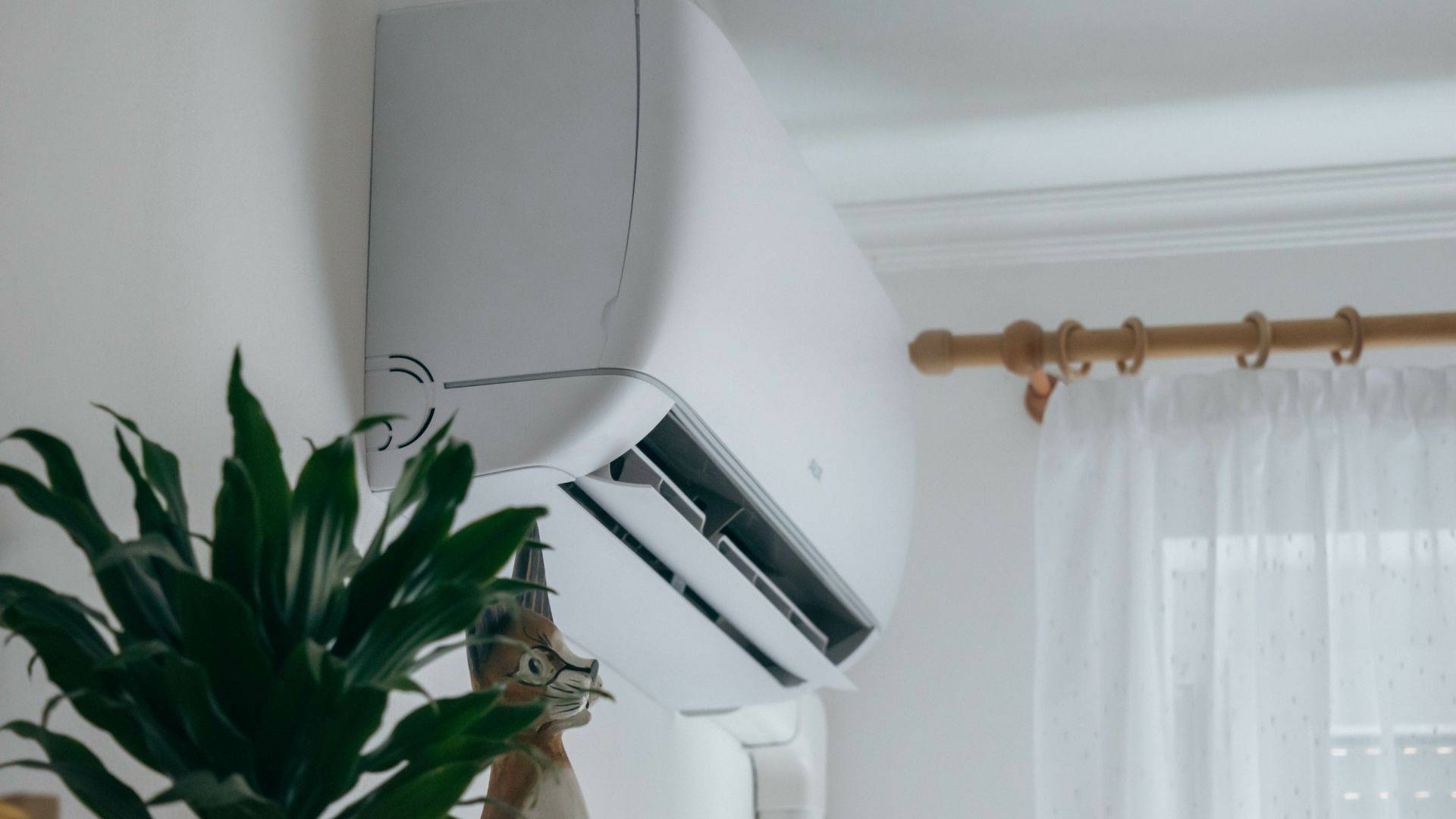
Image of a ductless mini-split air conditioner mounted on the wall

Loud AC Noises Explained: What Denver Homeowners Should Listen For

At Elkhorn Heating, Air Conditioning, Plumbing & Electrical, we often get calls about unusual AC noises. As a homeowner in the Denver and Littleton area, understanding common AC sounds is essential for troubleshooting issues and knowing when to call for help. By proactively repairing common AC problems, you can prevent minor issues from escalating into costly repairs.

Why is my AC so loud? And what can I do about it? To learn more about why your AC is making a loud noise in Denver, read on.

Not Every Loud AC Means the Same Thing 

In Denver and Littleton, our ACs have to deal with dust, extreme temperature swings, hail damage, and debris. These factors, along with normal wear, can cause units to break down. While some AC noises are perfectly normal, others indicate that your unit is having issues. By understanding the meaning of different sounds, you can determine if your AC has loose parts, electrical malfunctions, or airflow problems.

Which Sounds Are Usually Normal?

Before you call for AC repairs, take a moment to listen to your unit. Note when the sounds are occurring and what they sound like. The following noises indicate your AC is operating exactly as it should.

  • Routine Startup and Shutdown Sounds: A slight whoosh as air initially rushes out of the vents and light ticking as ductwork expands are both normal sounds. 
  • Steady Fan Noises From the Outdoor Unit: If your outdoor unit is functioning properly, you’ll hear a steady fan noise.
  • Brief Thermostat or Duct Expansion Sounds: Electrical relays in the thermostat can cause a single click. Similarly, ductwork can make light tapping or banging sounds as it expands and contracts due to changing air temperature.

Common AC Noises and What They Often Mean 

So, why is my AC so loud? From banging noises to buzzing sounds, the following sounds indicate that something is wrong with your AC installation. 

While you may be able to temporarily continue running your AC when rattling noises are present, you should immediately shut off your AC if you notice any other sound on this list. If the AC continues to run, it can pose a risk to your family, your home, or your air conditioning unit.

Banging or Clanking

If you notice an AC banging noise, what it means is that there are likely broken or loose internal components, blower problems, or faulty motor components. All of these issues must be addressed by a professional.

Buzzing

A buzzing noise is often due to loose wiring, contactor problems, electrical malfunctions, or debris around the outdoor unit. You can troubleshoot by cleaning away debris around the outdoor unit. If this doesn’t work, you’ll need to call for professional AC repairs.

Rattling

Rattling noises often stem from debris, fastener issues, loose panels, and aging cabinet parts. You can tighten accessible exterior panels, but do not open any internal components.

Hissing

Hissing noises often stem from refrigerant leaks, duct leaks, and pressure problems. All of these problems should be inspected by one of our experienced Comfort Specialists. 

Screeching or Squealing 

These noises often stem from the fan motor. In older units, they can also be due to belt-related issues.

Repeated Clicking

While a single click is normal when your AC starts up, repeated clicking indicates hard starting, failed electrical components, or control problems.

Humming With Poor Cooling Performance

If your AC is blowing hot air or struggling to keep your home cool, a humming sound may indicate capacitor problems or a strained AC compressor.

What Homeowners Can Safely Check 

When your air conditioner is buzzing or rattling on a hot day, you don’t have to panic. With basic Colorado AC noise troubleshooting, you can fix simple problems. If these solutions don’t work, our Comfort Specialists are only a phone call away.

Check 1: Replace the Air Filter

Dirty filters can cause poor airflow and a dirty evaporator coil. Filters should generally be replaced or cleaned every 30 to 90 days.

Check 2: Clean Around the Outdoor Unit

To troubleshoot why your outside AC unit is loud in Littleton, you can start by clearing away any leaves or debris that are within 2 to 3 feet of the outdoor unit. If this doesn’t work, you may need professional repairs.

Check 3: Check for Loose Fasteners and Exterior Panels

You can tighten loose exterior panels and fasteners yourself, but opening them should be left to the professionals.

Check 4: Note Unusual Sounds

Pay attention to odd noises and if they occur at startup, while running, or at shutdown. This can help your Comfort Specialist diagnose the problem when you call for help.

For your safety, never open electrical components. If the noise is severe, immediately shut your system off.

When Loud Noise Means You Should Turn It Off 

You should immediately shut off your unit and call for help if you hear any of the following noises.

  • Metal-on-metal noises
  • Sounds that occur with frequently tripped breakers or burning smells
  • Loud humming with no cooling
  • Sudden screeching or banging noises
  • Repeated clicking sounds

With our same-day diagnostics and no hidden fees, Littleton and Denver homeowners can quickly resolve complex issues. To avoid future problems, you can use your membership plan to get complimentary tune-ups. The plan also includes special discounts on repairs, so you can lower the cost of any unexpected breakdowns.

Frequently Asked Questions 

When is AC noise normal, and when is it a problem? 

A steady fan noise is normal. Repeated banging, buzzing related to electrical behavior, new screeching sounds, and loud humming with poor cooling performance are all signs of an AC problem that needs to be fixed.

Should I keep running a loud AC? 

In most cases, no. Immediately shut off your unit if you notice any sudden or severe noise. Additionally, frequent breaker trips or noises that occur with poor cooling performance are signs you should shut off your AC and schedule a service appointment.

Get Help With Your Unusual AC Noises

If you’re wondering, “Why is my AC so loud?”, we can help. Our Comfort Specialists can diagnose your AC noises through our same-day services in Littleton, Denver, and the surrounding metro area. 

Our team can determine the meaning of the sound and when AC noises mean repairs. Through our upfront pricing and 100% no-interest financing, you can quickly resolve the problem. Learn more by contacting our team today.

Image of an Elkhorn HVAC technician

Why Your AC Compressor Isn’t Working: Common Causes and Next Steps

Your AC compressor is not working, and it’s an especially hot day in Denver. Because this frustrating problem can be due to multiple causes, it’s important to figure out why it is happening. While there are some checks you can do on your own, all mechanical, electrical, and refrigerant-related work should be left to a Comfort Specialist from Elkhorn Heating, Air Conditioning, Plumbing & Electrical.

What Homeowners Mean When They Say the Compressor Is Not Working 

Often, we’ll get emergency calls about AC compressors not working. This frequently occurs if the outside AC unit is humming and not cooling. The unit may also produce clicking noises, trip the breaker frequently, or remain completely silent. 

Many different issues can look like an AC compressor failure. These problems can be caused by other faulty components as well. Because of this, it’s always a good idea to have a professional inspect your unit if you suspect compressor malfunctions.

Safe First Checks Before You Call 

If you think your AC compressor is not working, there are a few basic checks you can perform to troubleshoot the malfunction.

Check 1: Confirm Your Thermostat Settings

If the thermostat isn’t set to “cool” mode or the setpoint is too high, it will seem like your AC compressor is not turning on.

Check 2: Inspect the Air Filter

Routine maintenance is integral for preventing airflow problems and premature wear. Ideally, the air filter should be replaced every 30 to 90 days. If it is clogged from intense AC use, it needs to be replaced earlier. For complimentary tune-ups and springtime performance inspections, Denver homeowners can check out our Whole Home Comfort Plan.

Check 3: Verify the Breaker Is On

Many outdoor units use a separate breaker. If this breaker trips, you will still feel airflow inside. Because the outdoor unit isn’t on, the airflow will feel warm. 

You can troubleshoot this issue by turning the breaker on again. However, you should immediately schedule repairs if you notice the breaker tripping right away.

Check 4: Inspect the Condenser Unit

Check your condenser unit for debris or signs of obvious damage. If it is dirty, you can use a gentle stream of water from your hose to clean the unit. Then, remove any debris and plant matter that is around the unit.

Check 5: Listen for Unusual Sounds and Brief Starts

Pay attention to any humming or continuous clicking sounds. You should also note if the AC briefly starts up before shutting down again.

If your Denver AC compressor is not starting, you should never open panels or reset the breaker repeatedly. For the safety of your home and family, electrical and refrigerant repairs should always be left to the experts.

Symptom-by-Symptom Troubleshooting Guide

Over the years, we’ve dealt with all types of AC symptoms. The following are some of the most common compressor-related symptoms and when you should call for help.

Symptom: Unit Will Not Start at All

Possible Causes: This issue can occur if there is a problem with your capacitor, contactor, wiring, or breaker. 

When To Get Help: You should call for help if the unit won’t switch on after you reset the breaker once.

Symptom: Fan Runs but No Cooling

Possible Causes: You may notice this type of problem if you have a faulty compressor, control problem, or refrigerant issue. 

When To Get Help: If there is a hissing noise or your unit keeps blowing warm air, it’s time to call for help.

Symptom: Clicking or Humming 

Possible Causes: A clicking or humming sound may occur if you are dealing with a locked rotor scenario or failed start components. Often, homeowners will note that an AC compressor clicks and then stops if there is a problem with the capacitor, motor, refrigerant levels, or contactor. 

When To Get Help: If your outdoor unit is on when your indoor fan is off, or you smell a burning odor, you should schedule repairs right away.

Symptom: Breaker Trips When Cooling Starts

Possible Causes: You may notice this problem if there is an electrical overload or a shorted component. However, this symptom can also occur when your compressor is strained.

When To Get Help: When the breaker trips more than once, you should call for help because this means that there is a severe electrical problem involved.

The Most Common Causes We See in the Field 

At Elkhorn Heating, Air Conditioning, Plumbing & Electrical, we often get called about common issues that mimic AC compressor failure. Our compressor calls result in a range of different problem identifications.

  • Failed capacitor
  • Dirty coils
  • Faulty contactor
  • Airflow restrictions
  • Refrigerant leaks that are straining the compressor
  • Electrical malfunctions from panels, disconnects, or wiring

Sometimes, the main issue is truly the compressor. In general, we’re more likely to see true compressor failure in older systems than in newer ones.

When To Shut the System Off and Call Right Away 

When your Littleton AC is not cooling, troubleshooting is normally the first step. However, you should immediately turn off your unit and get help if you notice any of the following signs.

  • Repeatedly tripped breakers
  • Burning odors
  • Loud metal-on-metal noises
  • Visible electrical damage
  • Hard-start behavior
  • Any time you have vulnerable family members and no cooling options during heat waves

Whether you need same-day repairs or an AC installation, our Comfort Specialists are committed to upfront pricing and no hidden fees. For a more in-depth look at common compressor warning signs and how to decide between replacing or repairing your AC, check out our compressor troubleshooting guide.

Frequently Asked Questions

Does this always mean the compressor is bad? 

Not always. While it may seem like the compressor is bad, similar symptoms can occur if you have a problem with your contactor, capacitor, or thermostat.

Should I keep resetting the breaker? 

When your breaker trips, note it and reset it. If your compressor breaker keeps tripping, your AC likely has an underlying problem that must be diagnosed by a professional.

Get Support With Your Pressing AC Problems

Is your AC compressor not working? Elkhorn Heating, Air Conditioning, Plumbing & Electrical offers same-day services and upfront pricing throughout the Littleton, Denver, and surrounding metro area.

We will diagnose the cause, explain your AC repair or replacement options, and provide you with transparent, upfront pricing before we begin any work. Call us today at 720-615-0098 or fill out our online form.

Elkhorn technician educating the homeowner about their HVAC equipment.

HVAC Financing Options for Littleton and Denver-Area Homeowners

Whether you’re dealing with a failing AC in the summer or need to replace an aging furnace before winter, budgeting for unexpected upgrades can be challenging. In our older South Metro area, the housing stock typically has older heating, ventilation, and air conditioning (HVAC) units that are reaching the end of their lifespans. While planning a replacement can be challenging for your family’s budget, it is often a necessity to avoid unexpected breakdowns during extreme cold or heat.

For most residents, especially first-time homeowners, getting an HVAC repair or replacement is rarely a planned expense. At Elkhorn Heating, Air Conditioning, Plumbing & Electrical, we do everything we can to make this process easier. By taking advantage of our HVAC financing options in Littleton and Denver, homeowners can get budget-friendly upgrades when they need them.

When Financing Makes Sense for HVAC Work

Through 0-interest HVAC financing in Denver, you can perform necessary upgrades that are outside of your normal budgeting ability.

  • Planned Replacements: Financing helps homeowners maintain their cash flow when they get a full replacement.
  • Large Repairs: On a new system, paying for a large repair makes sense because the unit still has more life left.
  • Bundled Improvements: If you want to get a new thermostat, indoor air quality upgrades, furnace replacement, and air conditioner installation at once, financing can help.

As a homeowner, it’s important to remember that financing isn’t the right choice for everyone. If you can afford a large upgrade or only need to perform a small repair, you’re likely better off paying out of pocket. Financing makes sense when you have a pressing HVAC service that doesn’t fit your pocketbook.

Repair vs. Replace: How Financing Changes the Math 

When deciding whether to repair vs. replace and financing for HVAC systems, it helps to look at the total cost over time. If you have an aging system, paying for repeated repair bills can quickly add up. Instead, it likely makes more sense to finance a one-time major replacement.

In Denver, many homes were built in the 1980s to 2000s. Because of this, local homes often have systems that are significantly past their prime. By scheduling a diagnostic appointment with Elkhorn, you can get honest feedback on whether a repair or replacement makes more sense.

What 100% No-Interest Financing Helps With 

From our Whole Home Comfort plan to same-day repairs, Elkhorn is here to help you get the services and support you need. If you’re struggling to figure out how to pay for an HVAC replacement in Denver, financing offers a few important benefits.

  • Less upfront friction on paying for planned projects
  • More manageable monthly payments than a high upfront cost
  • Easier budgeting if you also have to pay for a mortgage, childcare, and other obligations
  • Ability to afford a long-term solution instead of a stopgap fix

Questions Homeowners Should Ask Before Choosing Financing 

Before you sign up for HVAC financing options in Littleton or Denver, there are a few questions you should ask yourself to determine if this is the right decision for your family.

Question 1: What Work Am I Financing: A Repair, a Replacement, or a Full Comfort Upgrade?

If you’re planning a minor or inexpensive repair, it is often easier to just pay for the cost yourself. More expensive upgrades, like a furnace replacement or a full comfort upgrade, are good options for financing.

Question 2: How Old Is My Current System, and How Much Useful Life Is Realistically Left?

A younger system is more likely to last longer, making repairs a wiser choice. Because older units require more frequent repairs, it eventually becomes more cost effective to replace them instead of performing more repairs.

Question 3: What Does the Monthly Payment Look Like Compared With Repeated Repair Costs?

As a part of your cost-benefit analysis, you should include the expected cost of your future repairs. Then, compare your expected repair costs against the monthly financing payments and projected energy savings from a new unit.

Question 4: Will This Choice Improve Comfort, Reliability, and Energy Use Enough To Justify the Spend?

If you already have an energy-efficient, modern HVAC system, getting an upgrade might not make a big difference for your family. Once your performance and comfort start to decline, the cost of a new system starts to make more sense.

Why Shoulder Season Is the Best Time To Plan 

Whether you’re looking for AC or furnace replacement financing in the Denver metro area, the shoulder season is the best time to book your appointment. Spring and fall allow you to review your options without the pressure of having an emergency breakdown. Plus, our HVAC technicians have better availability during the off-season, so you can easily pick the time and day that works best.

In Colorado, our extreme weather swings cause added stress on systems. Because of this, it’s especially important to be proactive about performing upgrades during the shoulder season.

Frequently Asked Questions

When does HVAC financing make sense? 

While furnace and AC financing in Littleton, CO, is a good option for some homeowners, it isn’t the right choice for everyone. Financing is better suited for large projects that would affect your cash flow. Additionally, payment plans are a good alternative if you want a long-term solution instead of a cheaper stopgap repair.

Should I finance a repair or replace the system? 

Deciding whether to repair or replace depends on your system’s age, repair history, and future replacement needs. If your system will likely need to be replaced soon, getting an AC replacement is often the better choice. Alternatively, homeowners who plan on selling their house in the future may want to delay any major investments.

Does financing help me choose a better system? 

In some cases, it can. As a homeowner, you don’t want to be in a position where you pick a worse solution just because the upfront cost is lower. Financing is available so that you can make the right repair or replacement decision for your family without having to worry about the immediate cost. HVAC payment plans in Colorado are simply there to give you more options.

Get Help Planning Your Next Upgrade

Uncertain about whether you should repair or replace? Elkhorn offers honest recommendations, upfront pricing, and same-day services in the Denver metro area.

Ask about our HVAC financing in Littleton and Denver. Our 100% no-interest financing can help you budget for a planned upgrade. 

Ready to price out your options? Visit our financing page or schedule an estimate with our team.

AC Compressor Troubleshooting Guide for Denver Homeowners

Poor cooling performance, unusual sounds coming from the outdoor unit, and frequently tripped breakers are common signs that you may have a faulty AC compressor. However, these signs can also occur because of other problems as well. By working with a heating, ventilation, and air conditioning (HVAC) technician from Elkhorn Heating, Air Conditioning, Plumbing & Electrical, you can get a professional diagnosis of your AC problem.

To get a better understanding of what’s going on, read on to see common symptoms and solutions in our compressor troubleshooting guide.

What the Compressor Does in an AC System 

So, what does an AC compressor do? Compressors are an integral part of your air conditioning system. They pressurize the refrigerant so that it can condense from a gas to a liquid in the condenser. Refrigerant is a special chemical compound that is used in ACs to absorb heat. Thanks to the compressor, the refrigerant can release heat outdoors before it is circulated back into your home. 

If there are problems with your compressor, it can hinder this pressurization and heat transfer. As a result, your cooling performance can be dramatically affected.

Signs Your Compressor May Be Struggling 

As a homeowner, there are a few common signs that indicate your AC compressor may be struggling.

  • Warm air from your vents
  • Lower energy efficiency 
  • Hard starts
  • Extended run times
  • An outdoor unit that hums but won’t cool
  • Ongoing clicking sounds
  • Inconsistent indoor comfort levels
  • Tripped breakers when cooling starts

Common Causes of Compressor Problems 

There are a few common compressor failure causes in Colorado that our team sees most often. By scheduling routine maintenance, you can prevent these problems from happening. When they do occur, tune-ups also allow us to catch the malfunction before it escalates into a compressor failure.

  • Electrical Issues: If the capacitor or contactor is faulty, it makes it more difficult for the compressor to start and leads to premature wear.
  • Low Refrigerant Charge: When refrigerant leaks out, the compressor has to work harder to achieve the same temperature level. As a result of the added strain, the compressor can break down.
  • Dirty Coils and Airflow Restriction: Both of these issues make the system work harder than it is designed to.
  • Aging Equipment and Repeated High-Load Cycles: Repeated periods of high use put an added strain on the AC compressor. Similarly, aging equipment has worn down over time, leading to a lower capacity and more repairs.

In Colorado, there are other factors that impact the longevity of your AC installation. High UV exposure, hail damage, and dust buildup cause increased wear and tear. Colorado also experiences extreme, rapid weather shifts, which makes HVAC systems work overtime.

What Homeowners Can Safely Check First 

As a homeowner, you can use our compressor troubleshooting guide to safely check key systems. If the following tips do not fix the problem, you can contact our team for diagnostics instead.

Step 1: Check the Thermostat

Make sure the mode and set point are set appropriately.

Step 2: Replace the Air Filter

To avoid airflow issues and a dirty evaporator coil, homeowners should replace clogged air filters.

Step 3: Inspect the Breaker

If your outdoor unit isn’t starting, see if the breaker has tripped. However, do not keep resetting it if it trips again. Repeated trips indicate an underlying problem that must be addressed by a professional.

Step 4: Clean Around the Condenser

For proper airflow, clear away any obvious debris that is around the condenser.

Step 5: Listen for Noise Patterns

When you call our team for repairs, it helps to know the AC compressor signs and symptoms you’re experiencing. Note any unusual noise patterns and what happens when cooling starts.

For the safety of your home, HVAC system, and family, never open panels or cabinets. Additionally, any refrigerant-related components should be handled by a certified technician.

Fixes vs. Professional Repairs 

When we arrive at your home, our first goal is to determine whether the problem is your AC compressor or something else. As a part of our diagnostics, we will test your refrigerant pressure. We will test electrical components, such as the capacitor, and verify the amp draw.

These tests are essential because many symptoms that appear to be common AC compressor problems are actually related to other components. Airflow issues, faulty capacitors, and thermostat malfunctions can sometimes be mistaken for a compressor problem.

When Compressor Trouble Points to Replacement 

In Littleton and the South Metro area, many of our homes were built between the 1980s and 2000s. Many of these older homes have aging compressor issues. Because of the declining performance, more frequent repairs, and reduced energy efficiency involved, it often makes more sense to replace these older units.

At Elkhorn Heating, Air Conditioning, Plumbing & Electrical, we’ll provide a professional evaluation to help you determine if you need an AC compressor repair or to replace it completely. Our 100% no-interest financing allows you to make the right choice for your family, regardless of the upfront cost. Afterward, our convenient Whole Home Comfort Plan offers complimentary tune-ups and repair discounts, so your new system can last as long as possible.

Frequently Asked Questions

How do I know if my AC compressor is bad? 

An AC compressor won’t just break down without some type of symptom. Tripped breakers, warm air, hard starting, and unusually long cooling cycles commonly occur when the compressor is failing. However, it’s important to note that these symptoms can be due to other problems, so they don’t confirm a compressor failure on their own.

Can a compressor problem be something else? 

Sometimes. When you have a failed capacitor, low refrigerant levels, or a thermostat issue, it can mimic the symptoms of a faulty compressor. This is why it’s so important to get your Denver AC compressor issues diagnosed by one of our Comfort Specialists.

Troubleshoot Your AC Compressor Issues

If your AC is experiencing some of the symptoms from our compressor troubleshooting guide, we can help. Elkhorn Heating, Air Conditioning, Plumbing & Electrical can diagnose your AC problems with our same-day services and upfront pricing.

Ask our Comfort Specialists about whether a repair, component replacement, or larger system upgrade is right for you. Contact us today.